Tyson Customers Flock to Chicken While Beef Flounders
Thankfully, consumers have simply flocked to chicken in lieu of steak, keeping the company afloat and helping it beat Wall Street’s estimates.
Sign up for smart news, insights, and analysis on the biggest financial stories of the day.

Not all protein is created equal.
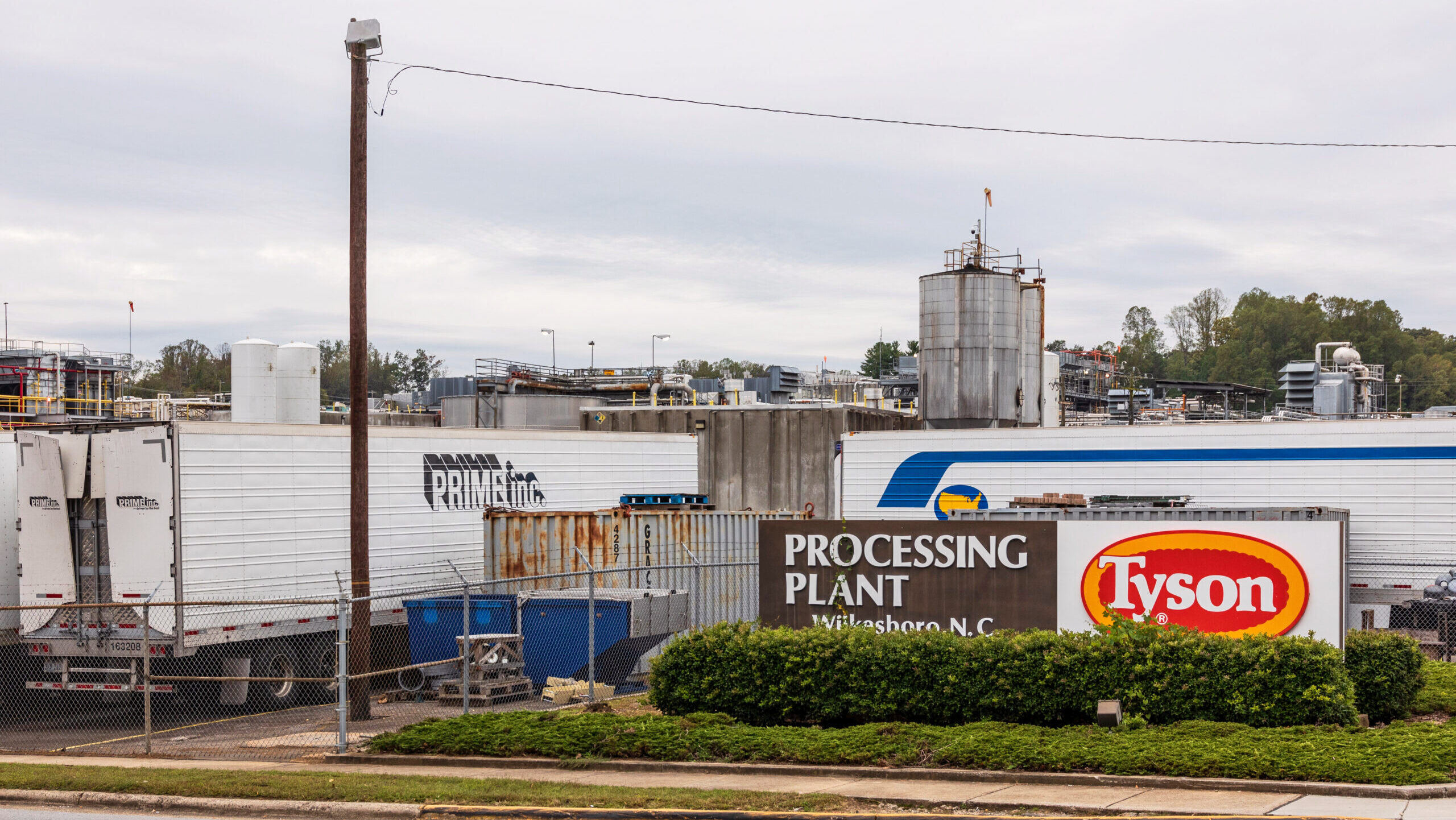
In its first-quarter earnings report on Monday, meat industry titan Tyson said its beef business has continued to be hampered by a cattle shortage, leading to massive beef-flation and huge losses. Thankfully, consumers have flocked to chicken in lieu of steak, keeping the company afloat and helping it beat Wall Street’s profit estimates for the quarter. Consider it the macroeconomics of getting your macros.
Slaughterhouse Down
Tyson’s beef supply struggles are hardly shocking. Last month, the company began winding down operations at a beef slaughterhouse in Lexington, Nebraska, a decision announced in November, amid the worst US cattle shortage in roughly 75 years. Meanwhile, operations at another beef plant in Amarillo, Texas, would be reduced to a single shift. “Continuing to absorb losses like we have been seeing for the past two years is simply unacceptable,” CEO Donnie King said in yesterday’s earnings call.
And yet, America’s insatiable protein appetite continues unabated, which turned the earnings call into a tale of two meats:
- Tyson’s beef segment, still its largest by sales, suffered a more than 7% year-over-year decrease in volume as it increased average prices by 17%. That manifested a whopping $319 million operating loss for the segment, ballooning from just a $26 million loss a year ago.
- Chicken, on the other hand, soared: Sales volume jumped nearly 4%, while the average price actually declined by 0.1%.
Seriously, Where’s The Beef? “We believe chicken will be a preferred protein in the upcoming year,” CFO Curt Calaway said during the earnings call. On the flip side, the company said it expects its beef shortage woes to continue through at least this year and next. Unfortunately for beef providers, solving the beef shortage requires intensifying near-term pain: Growing the overall herd count requires, obviously, keeping more cattle around for breeding and slaughtering fewer for eating. It’s not every day that corporate earnings deliver a lesson in the birds and the beefs.
Recent News



-

Photo via Bob Henry/UCG/Universal Images Group/Newscom