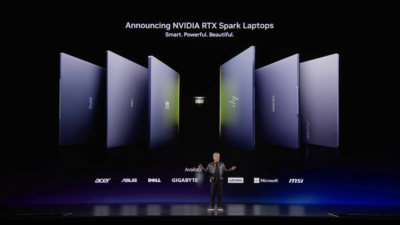
Back in March, CEO Jensen Huang spent Nvidia’s developers conference saying its chips are the perfect infrastructure for open source tools.
Our daily email brings you smart and engaging news and analysis on the biggest stories in business and finance. For free.
A shortage of memory chips is one of the biggest challenges facing the AI buildout, fueling both selloffs and rallies in the past week alone.
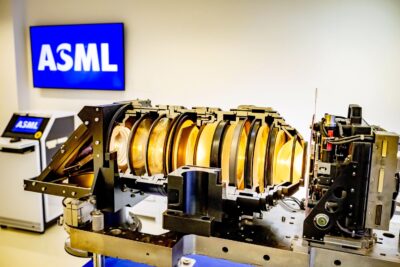
Shares of ASML slid Tuesday, but experts and analysts cautioned that the panic behind the selloff is almost certainly overblown.
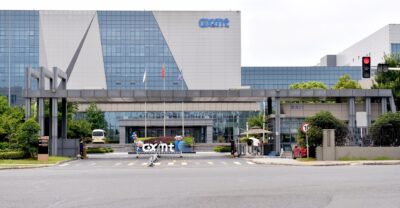
Changxin Technology Group, or CXMT for short, soared 466% in its debut yesterday on Shanghai’s STAR Market.
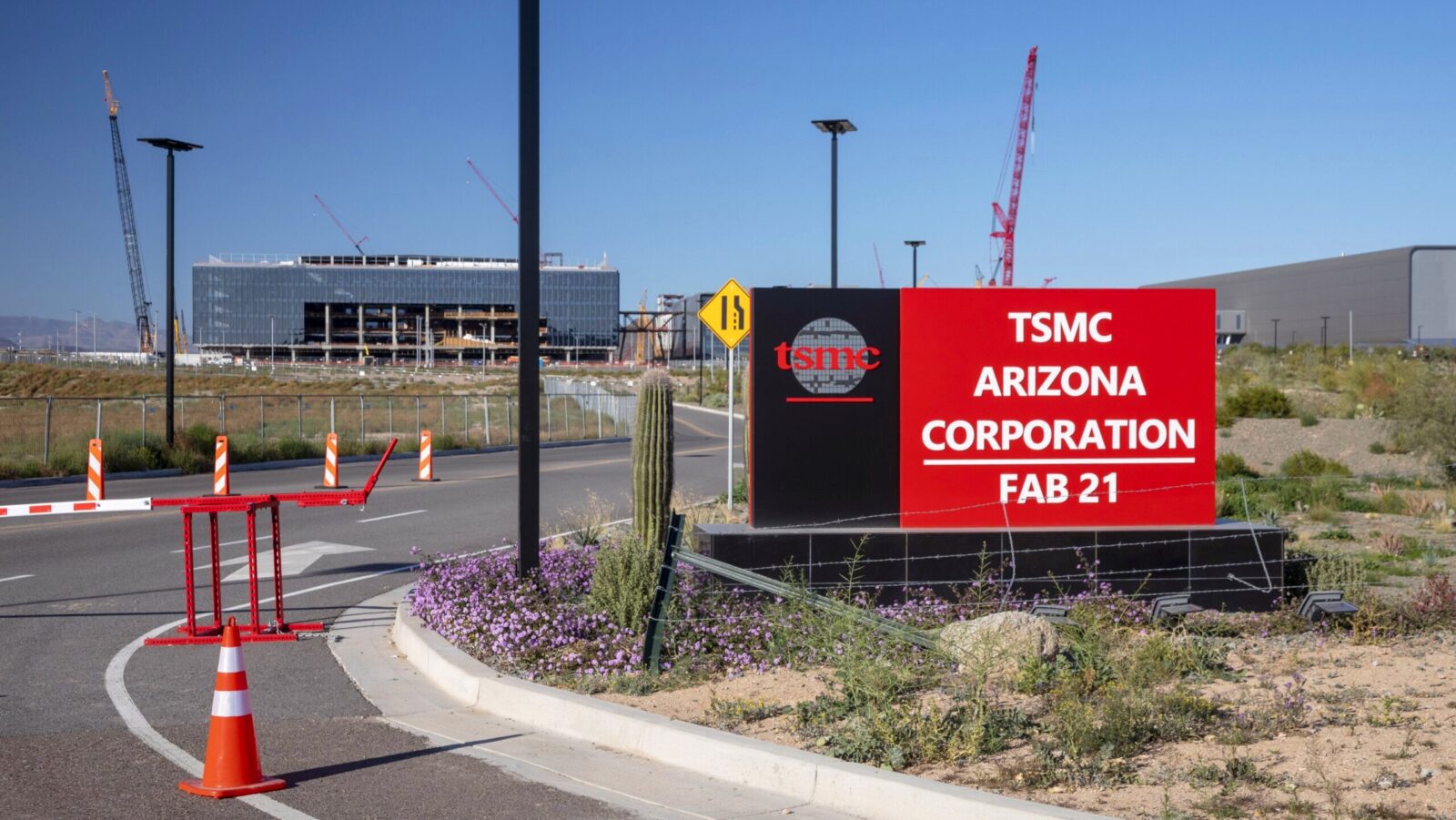
TSMC’s pledge to invest an extra $100 billion into its Arizona-based chip fab rekindled fears of overspending on artificial intelligence.
Skeptics who point to the memory industry’s boom-and-bust history see bulls as being a little too high on their own chip supply.
The US government took a 10% stake in Intel last year and the Trump administration has been arguably its best sales advocate.
There’s been a bit of a vibe shift since Nvidia CEO Jensen Huang tabbed Marvell as “next trillion-dollar company” just a week ago.
Broadcom expects AI-related chip revenue to climb 200% to $16 billion in the current quarter, short of Wall Street’s most bullish forecasts.
A share price rally pushed ASML’s market cap to $668 billion on Wednesday, beating a European record set by Novo Nordisk in June 2024.
Running AI agents around the clock can consume hundreds of millions, or even billions, of tokens (units of data) a week.
High-bandwidth memory now accounts for roughly two-thirds of the total AI chip component cost, up from about 50% in early 2024.
The Chinese company was blacklisted from receiving advanced semiconductor technology in 2019 over national-security concerns.
In a call with analysts Wednesday, CFO Colette Kress confirmed that the company generated zero revenue from H200 sales to China.
Blackstone, already the world’s largest private owner of data centers, will provide an initial $5 billion investment.
The US did approve 10 Chinese firms as buyers for the H200, Nvidia’s second-most powerful AI chip, though no purchases have yet been made.