What’s the Beef? For American Grocery Shoppers, It’s Meat Prices
US shoppers are now paying an average price of $6.60 per pound of ground beef, according to the US Bureau of Labor Statistics.
Sign up for smart news, insights, and analysis on the biggest financial stories of the day.

The Hamburglar isn’t committing petty theft anymore. At these prices, it’s grand larceny.
Ensnared in the trade war, the price of beef has skyrocketed this year, replacing eggs in recent weeks as America’s grocery inflation gauge du jour. The mini-crisis prompted the White House to wage war on beef prices, but the damage may already have been done.
High Steaks
US shoppers are now paying an average price of $6.60 per pound for ground beef, according to the US Bureau of Labor Statistics (Meanwhile, Kansas State University’s Meat Demand Monitor showed the October price near $10 per pound). Last week, the BLS’s September Producer Price Index report showed that the cost of beef and veal is up an astounding 38% year-over-year. The why is hardly a mystery. In July, the White House slapped 40% tariffs on beef imports from Brazil, the world’s top supplier. Those import duties were lifted last week as part of the administration’s new affordability push, but they had already curbed supply and pushed prices up.
Complicating matters further? Demand keeps rising despite persistent price hikes (blame everyone’s sudden protein obsession), just as the domestic supply chain suffers a major loss:
- Beef volume sales in US stores are up 5% year-over-year in the 52 weeks ending in early November, according to Circana data seen by Bloomberg. That’s a bigger rise than any other protein.
- Meanwhile, Tyson announced earlier this month that it would close a major beef plant in Lexington, Nebraska, while reducing shifts and capacity at another plant in Amarillo, Texas. Combined, the cuts may reduce US beef production capacity by as much as 9%.
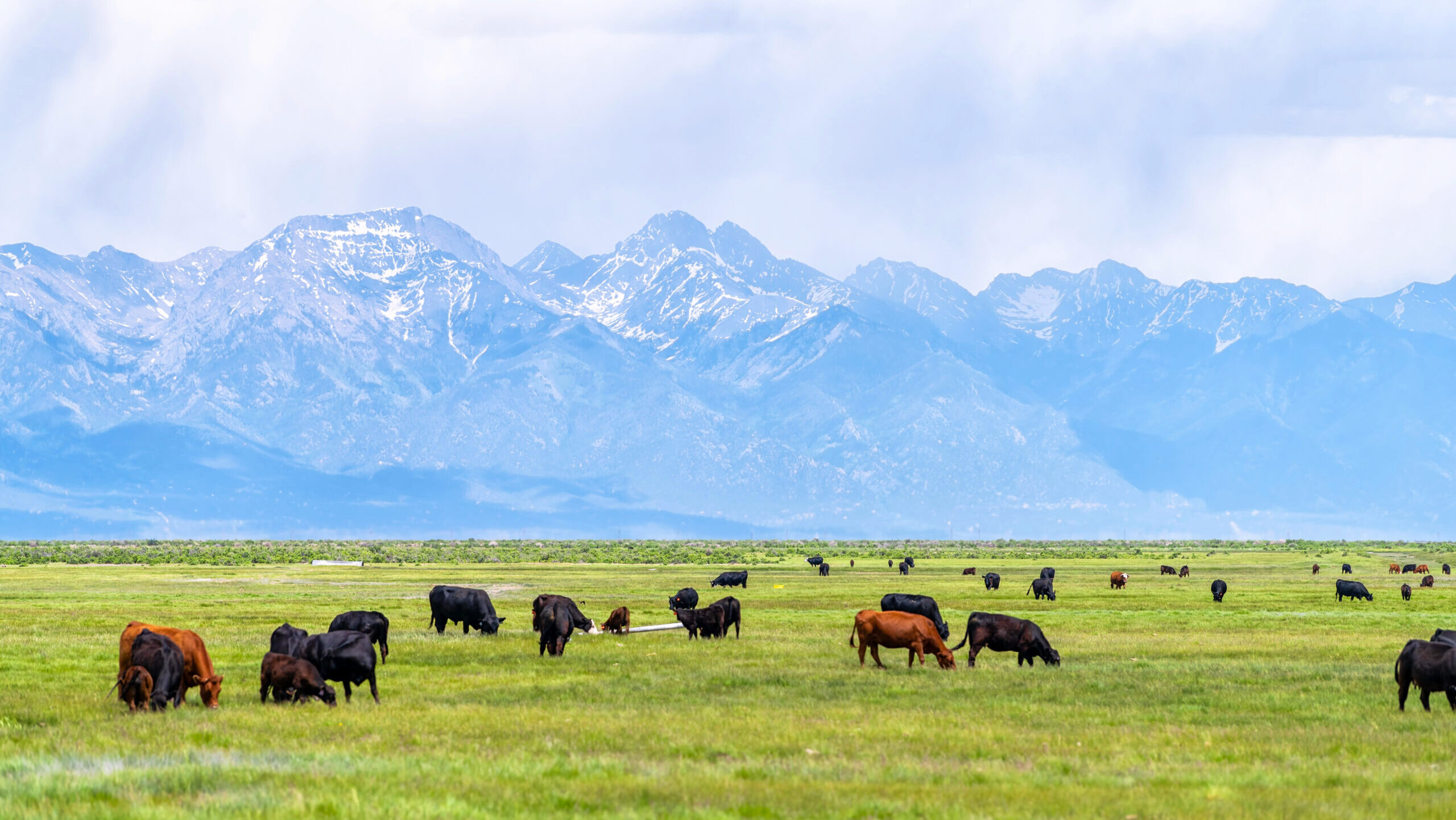
Ground Game: Still, the trade war maneuvers and Tyson’s cuts are but exacerbating factors of a much larger problem. Cattle herds on US ranches are now at the lowest level since 1973, according to the US Department of Agriculture, as ranchers face the triple threat of expensive feed, high interest rates and devastating droughts. Where’s the beef? In the vault with the other valuables.