Super Bowl Puts Up-for-Sale Seahawks in a Prime Time Showcase Showdown
Paul Allen bought the Seahawks way back in 1997 for just $194 million. Nearly 30 years later, the franchise is worth some $6.6 billion.
Sign up for smart news, insights, and analysis on the biggest financial stories of the day.

It’s the kind of clock management that would do Bill Belichick proud.
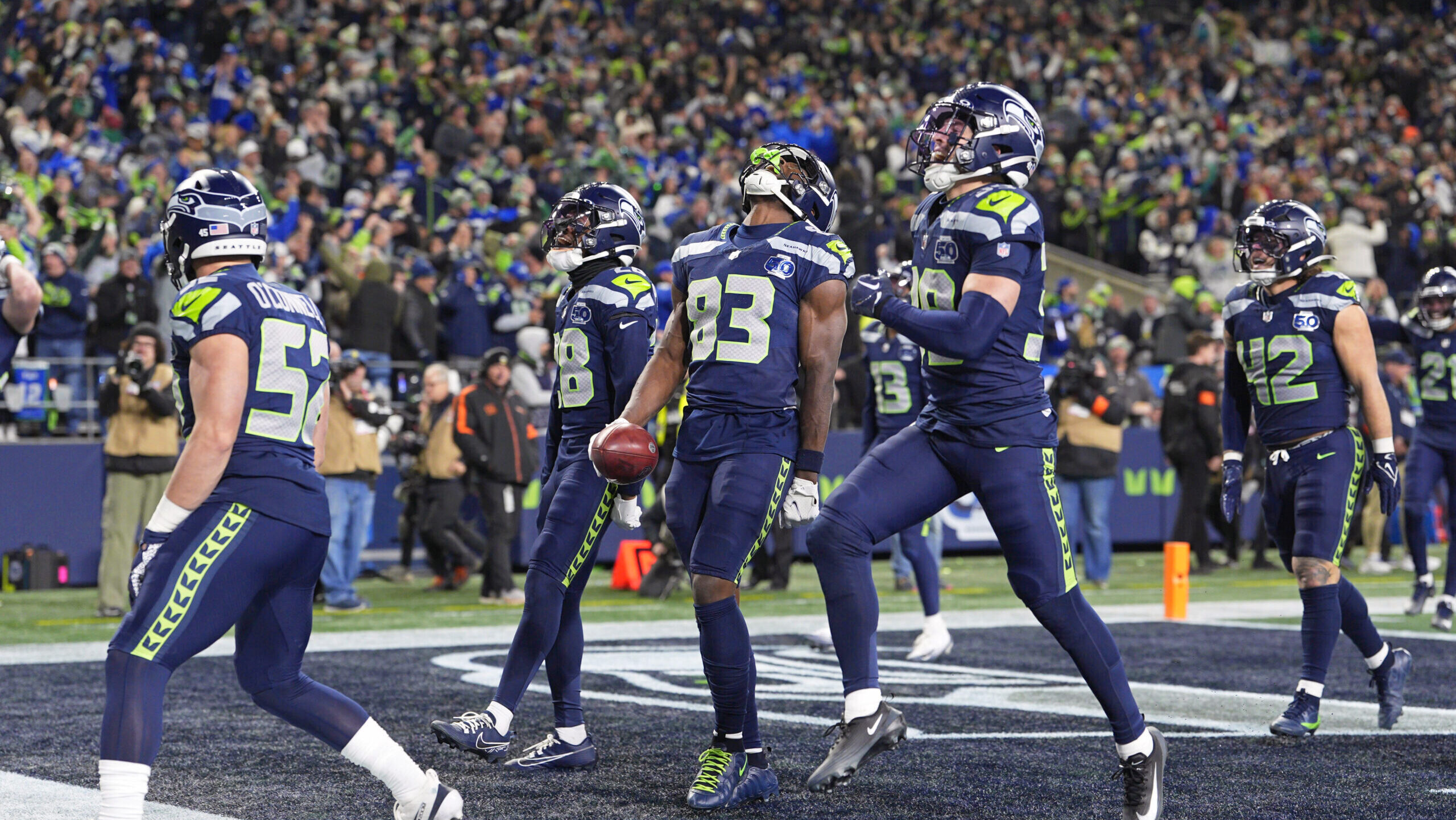
When Seattle Seahawks owner and Microsoft co-founder Paul Allen passed away in 2018, he left Jody Allen — his sister, executor of his trust and newly named chair of the Seahawks — with one directive: sell the team and donate the proceeds to charity. After eight years of waiting, the timing finally looks right as the Seahawks swoop into this weekend’s Super Bowl.
America’s Game
Paul Allen bought the Seahawks way back in 1997 for just $194 million, preventing a potential franchise move from Seattle down to Southern California. Nearly 30 years later, the franchise is worth some $6.6 billion, according to a recent Sportico estimate. Meanwhile, one league executive told ESPN the final price tag could run as high as $8 billion.
The NFL has cemented its status as America’s true pastime since Allen bought the team. In 2023, the NFL accounted for a record 93 of the top 100 most-viewed US TV broadcasts, according to Nielsen data. But as the Allen estate nears a sale, the league’s utter dominance begs a simple question: Does the last remaining vestige of US monoculture have any more room to grow? Could the rest of the world learn to love football as much as futbol? League owners certainly hope so:
- On Monday, the league announced a multiyear pact to continue playing regular season games in Madrid after a Commanders-Dolphins game this season, as well as a new deal to bring a game to the Stade de France in Paris.
- The twin deals mean 2026 will feature a record number of international NFL games, with the schedule already including games in Rio De Janeiro, Munich, London and Melbourne, marking the first-ever NFL game in Australia.
Every Given Sunday: Global expansion is just one part of the plan. Last month, New England Patriots owner Robert Kraft implied that the long-ballyhooed plan to add an 18th week to the NFL’s regular season is now all but inevitable. Labor isn’t exactly on board. On Tuesday, the NFL Players Union publicly opposed the plan to add an extra game, citing health and safety concerns. Considering the union previously opposed adding a 17th game, this one might come down to a coin flip.