Video Game Console Sales Lag Behind Previous Holiday High Scores
Holiday-season console sales haven’t been this soft since kids found original Sony Playstations under their Christmas trees back in 1995.
Sign up for smart news, insights, and analysis on the biggest financial stories of the day.

The Video Game Console Wars have entered an involuntary Christmas truce.
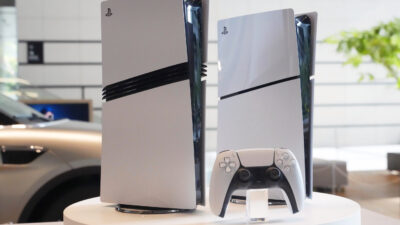
According to a report published last week from market research firm Circana, holiday-season console sales haven’t been this soft since kids were discovering original Sony PlayStations under their Christmas trees back in 1995. That has the industry playing on Hard Mode.
Extra Life Needed
Spending on video game hardware reached just $695 million in November, down 27% year over year and the lowest amount for the month since 2005, Circana says. Meanwhile, per-unit hardware sales reached just 1.6 million consoles in November, the lowest amount since 1995. On the software side, the results are murkier. Circana found that physical software sales had also plummeted to the lowest level since 1995, though overall software spending was up 1% year-over-year to $4.8 billion, thanks to a continued uptick in subscription services.
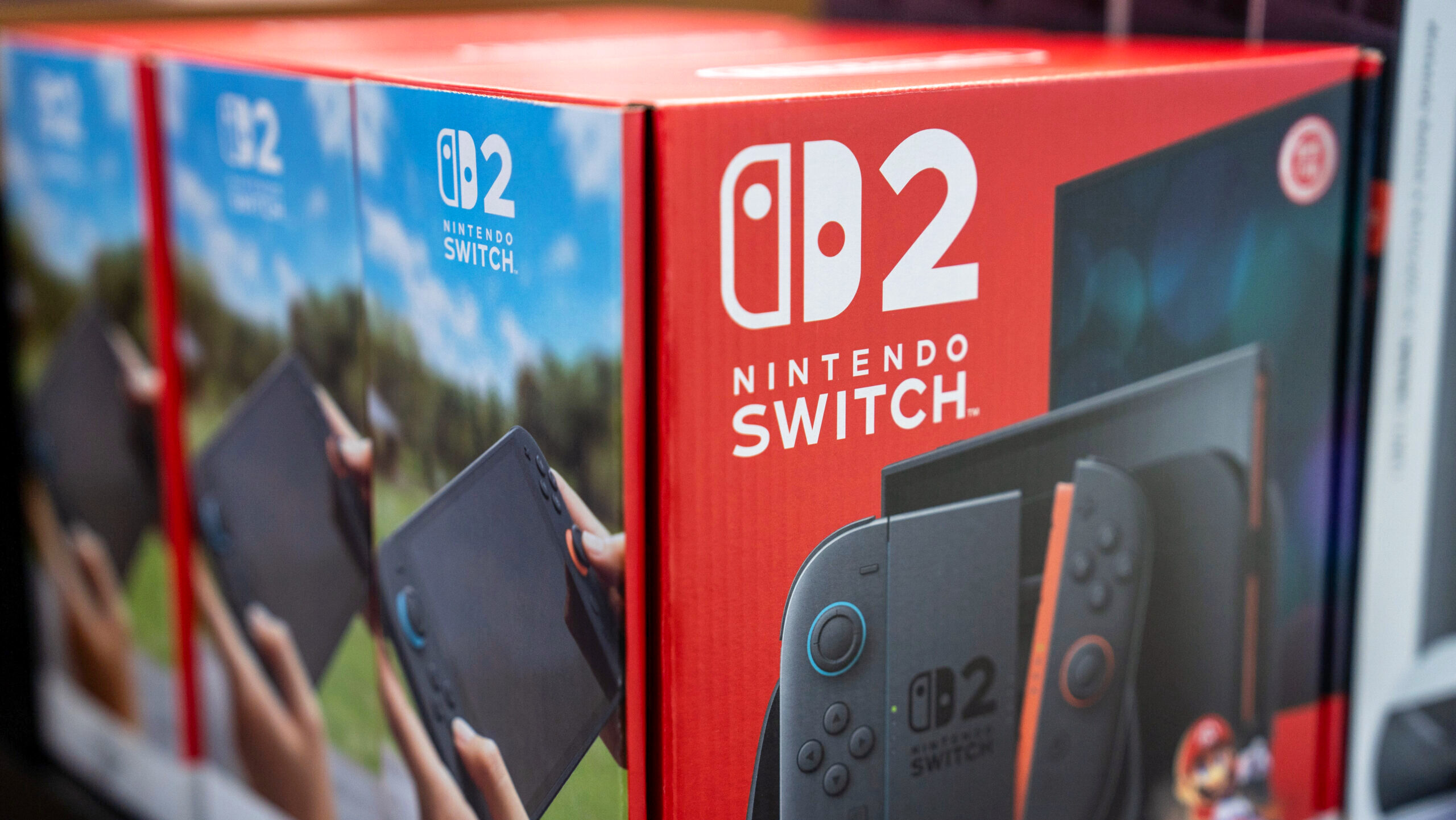
The dip has been felt by all, though not equally. Combined sales of the Nintendo Switch and Switch 2, the fastest-selling console in US history, were down 10% compared to original Switch sales last year. They were also surpassed for the first time this year in November by the PlayStation 5, whose sales fell 40% year over year. Microsoft’s Xbox Series, meanwhile, is in freefall: Sales dropped 70% year-over-year, and there were fewer per-unit sales than the cheaper and family-focused NEX Playground console.
Which brings us to what’s really got the industry down — costs, which keep going up:
- The average console sold for $439 in November, per Circana, up 11% year over year. Both Sony and Microsoft raised the price of their flagship consoles this year, a relative rarity for the industry, while the Switch 2 sells for $449.99, compared with just $300 for the previous iteration.
- Trade war woes are mostly to blame, but so is the AI hype train, which is eating up crucial RAM chips used in gaming consoles. The cost of memory chips in Switch 2 consoles, for instance, has risen 41% in the current quarter alone, according to market research firm TrendForce; shares of the company have plummeted around 20% this month amid growing concerns over a memory chip shortage.
Back To The Well: So what was under Christmas trees this year, if not shiny new consoles? Retailers have witnessed a surge in demand for analog technologies. Sales of point-and-shoot cameras were up 260% over Black Friday weekend, according to Adobe, while sales of CD players and MP3 devices were up 225%. Meanwhile, the Wall Street Journal recently observed the growing demand for wellness and health-conscious gifts like sleep trackers. Anyone else think that sounds like a hard candy Christmas?
Recent News
-

Photo illustration by Connor Lin / The Daily Upside


-
Photo via Florian Gaertner/IMAGO/BMF/Newscom