FAA Cuts Flights Amid Government-Shutdown Pressure
The FAA said the flight cuts are pre-emptive to prevent safety issues as potentially more air traffic controllers call out.
Sign up for smart news, insights, and analysis on the biggest financial stories of the day.

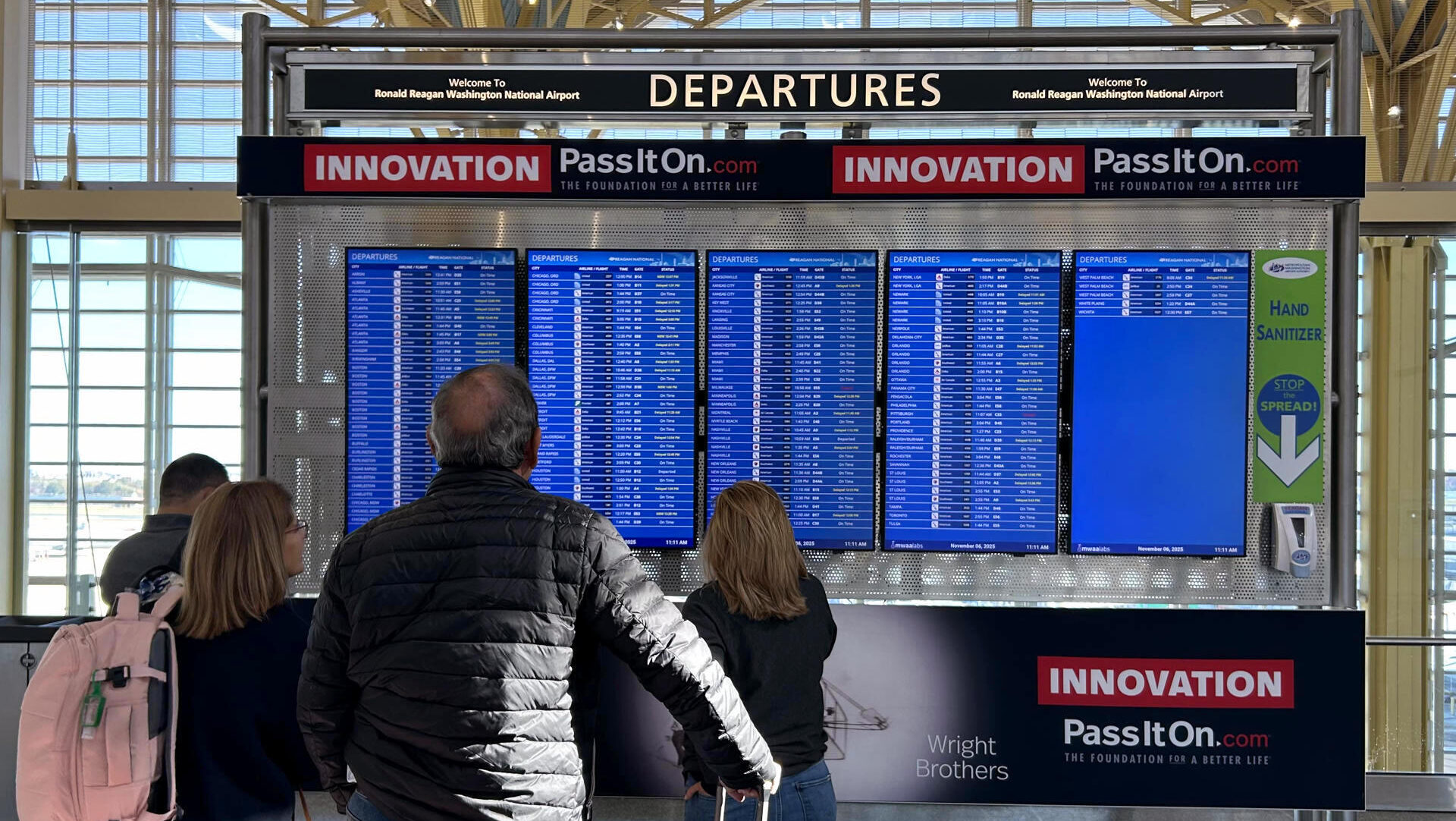
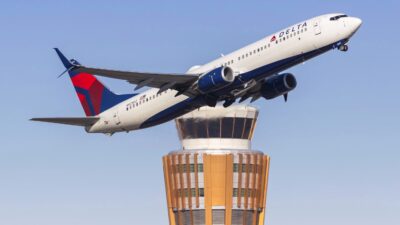
Put your pie-dough prep on hold, because the government’s ongoing shutdown could leave some seats empty at Thanksgiving dinners across the country. The FAA said Wednesday it’ll reduce flights at 40 of the busiest US airports, including major connecting hubs in Atlanta, Dallas and Denver.
Delays and cancellations are expected to pick up as air traffic controllers, who’ll miss their second straight paycheck next week, call in sick to protest and prioritize second jobs. Staffing shortages at FAA facilities have quadrupled compared with the same time last year, CNN found. The FAA said the flight cuts are intended to prevent safety issues as more air traffic controllers potentially call out.
The agency aims to reduce flight traffic by 10% starting as soon as Friday, if no shutdown deal is reached, affecting 1,800 flights and 268,000 seats, according to data firm Cirium. Space launches and small aircraft travel will also be impacted.
Clipped Wings
Investors reacted on Thursday, and shares of airlines including American, Delta and United dipped. United said it’ll offer refunds to customers who don’t want to fly during the FAA’s drawdown, while Frontier encouraged customers to book a backup ticket if they don’t want to risk being stranded (on-brand for an airline that charges for water).
While major airlines said they’ll comply with the FAA’s plan, the timing could create turbulence in otherwise clear skies:
- Airlines cut their forecasts earlier this year as Americans stayed home to save money and international travelers, particularly Canadians, canceled their US vacations. The summer quarter saw a pick-up, with American and Delta both beating analysts’ earnings expectations. Still, summer has become a weaker season for airlines as schools start earlier and tourists skip the crowds, opting for more low-season trips.
- The industry is looking forward to the holidays to help it regain altitude. Thanksgiving and Christmas air travel is expected to beat records this year, Cirium found; United’s CEO also said this month that he expects the season to be record-breaking. The ongoing shutdown and the FAA’s travel drawdown could convince customers to delay booking and possibly cancel those trips, however.
Grounded: The shutdown is the longest in US history and will likely also have the greatest economic impact. While most shutdowns are followed by a quick bounceback, at 38 days and counting, this one is expected to see billions lost for good. The US Travel Association said the closure has cost the American travel sector more than $5 billion so far. Zooming out, the Congressional Budget Office estimated that US GDP will irretrievably lose between $7 billion and $14 billion. Goldman Sachs found that, even if the shutdown ends next week, it’ll slow fourth-quarter GDP growth by more than 1%. On the upside, delayed government spending could end up boosting the economy early next year.
Recent News







-

Photo via Chen Mengtong/China News Service/VCG/Newscom