

Good morning.
Stella Artois has David Beckham. Michael Jordan practically is Nike. And robo-advisor Betterment has Drake Maye, the New England Patriots QB set to play in the Super Bowl this weekend.
The automated investing platform has ramped up media spots featuring Maye in recent weeks. Maye started working with Betterment in 2024, but his spotlight is definitely shining brighter now that he’s in the big game. In addition to a TV commercial and social media content, Maye appears on the firm’s homepage in a looping clip of him lifting weights, tossing a football, and, naturally, checking his portfolio.
We may join the athlete-spokesperson game too. Maybe world-renowned professional rock climber Alex Honnold free-soloing the Burj Khalifa in an Advisor Upside hat — assuming it doesn’t blow off?
Client Interest In Private Credit Is Growing — Are You Prepared To Address It?

As private credit becomes more widely understood, client sophistication is rising. Are you equipped with a differentiated perspective?
Here’s the data driven insights that underpins these conversations.
Nomura Capital Management’s latest outlook gives you scenario planning across bear, base, and bull cases, plus breakdowns on private credit and real estate debt. You’ll get the data on housing, consumer credit, and Fed policy so you can anchor sharper client conversations this quarter.
This Week’s Highlights
Investors Trade in Stocks for Bonds After Big Gains in 2025

Discipline is key to any successful investment strategy, and thankfully there seems to be plenty of that going around these days.
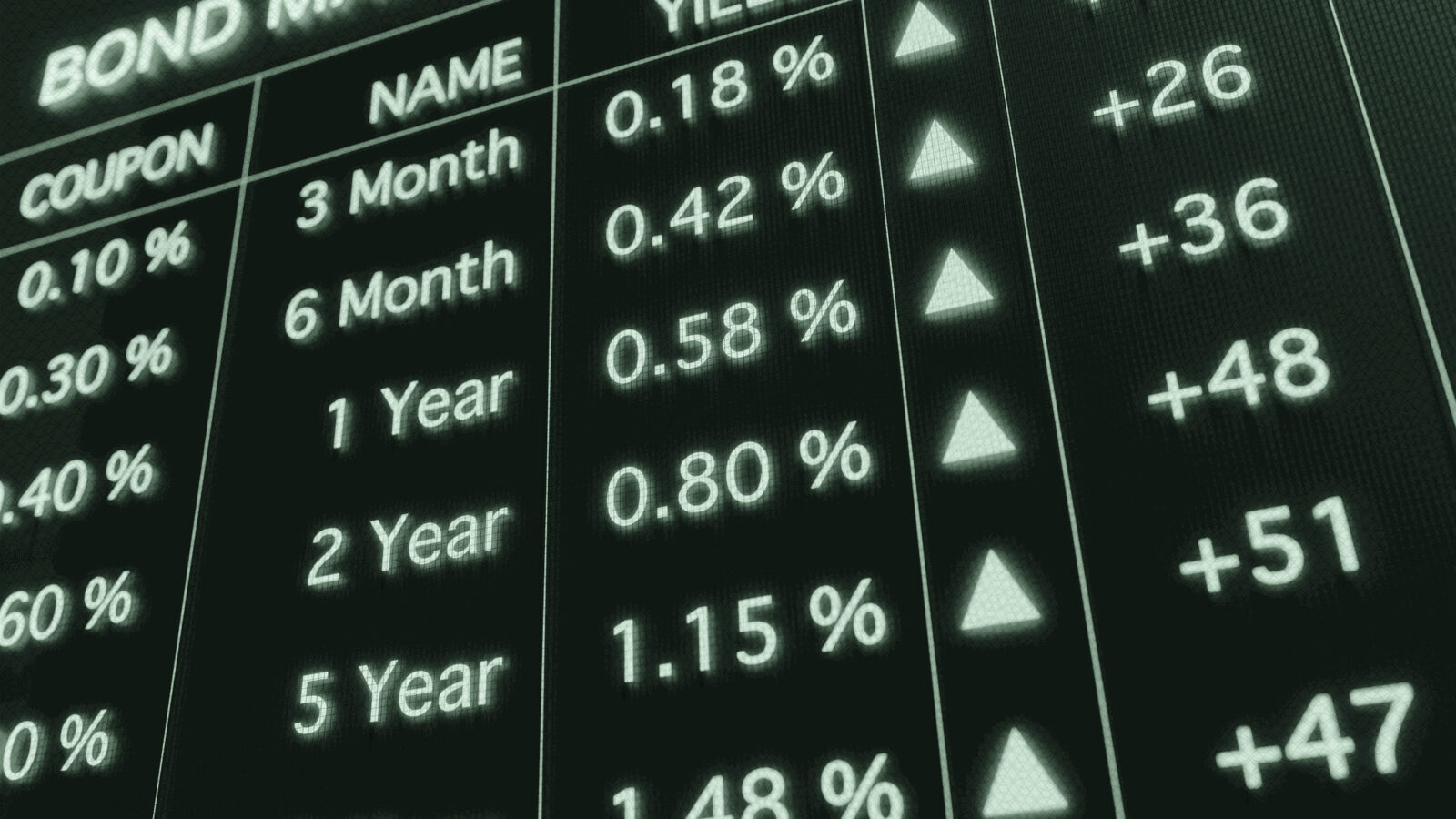
Risk has been falling out of favor over the past 12 months, with investors pulling money from high-performing equities and reallocating into fixed-income products, like bonds and money market funds, according to recent Vanguard research. Rather than a sign of panic, investors are sticking to portfolio targets and rebalancing after years of strong stock returns. Much of the repositioning is being handled by financial planners, along with automatic rebalancing programs embedded in model portfolios and robo-advisors. Surprisingly, though, Vanguard is also seeing the same behavior among do-it-yourself investors.
“Some [more experienced traders] have a cynical view of the naive retail investor not doing a good job,” said Fran Kinniry, head of Vanguard’s Investment Advisory Research Center. “Investors are actually setting a portfolio and rebalancing to it. That’s not easy to do because you’re selling your winners and buying your losers.”
Making Moves
It’s no secret that the stock market has been on a tear. In six of the past seven years, equities have returned more than 17%, while companies like Nvidia and Rocket Lab have given new meaning to the term growth stock. However, that performance has left many portfolios overweight in equities and investors looking for other options:
- Roughly, a combined $90 billion has flowed out of domestic and foreign large-growth equities over the past year, according to Vanguard data.
- Meanwhile, nearly $600 billion has poured into money market taxable funds, with another $106 billion moving into ultrashort bond strategies.
“For most of history, investors would chase returns,” Kinniry told Advisor Upside. “The last five to seven years, we’ve actually been seeing investors have good behavior, meaning they’re selling what’s hot and buying what’s not.”
Where’s Your Fed At? With President Donald Trump nominating a new Federal Reserve chair, all the political hubbub can create uncertainty around the bond market and rates, which the central bank held steady last week. However, Kinniry advises planners and investors to not let it panic them and says that the positive fixed income trends of 2025 should continue this year. “The most important thing is to tune all that out,” he said. “The Fed only controls the very short end of the curve. The market will set interest rates for non-overnight yields.”
Skip the Super Bowl Parlay. These ETFs Offer a Way to Invest in Sports
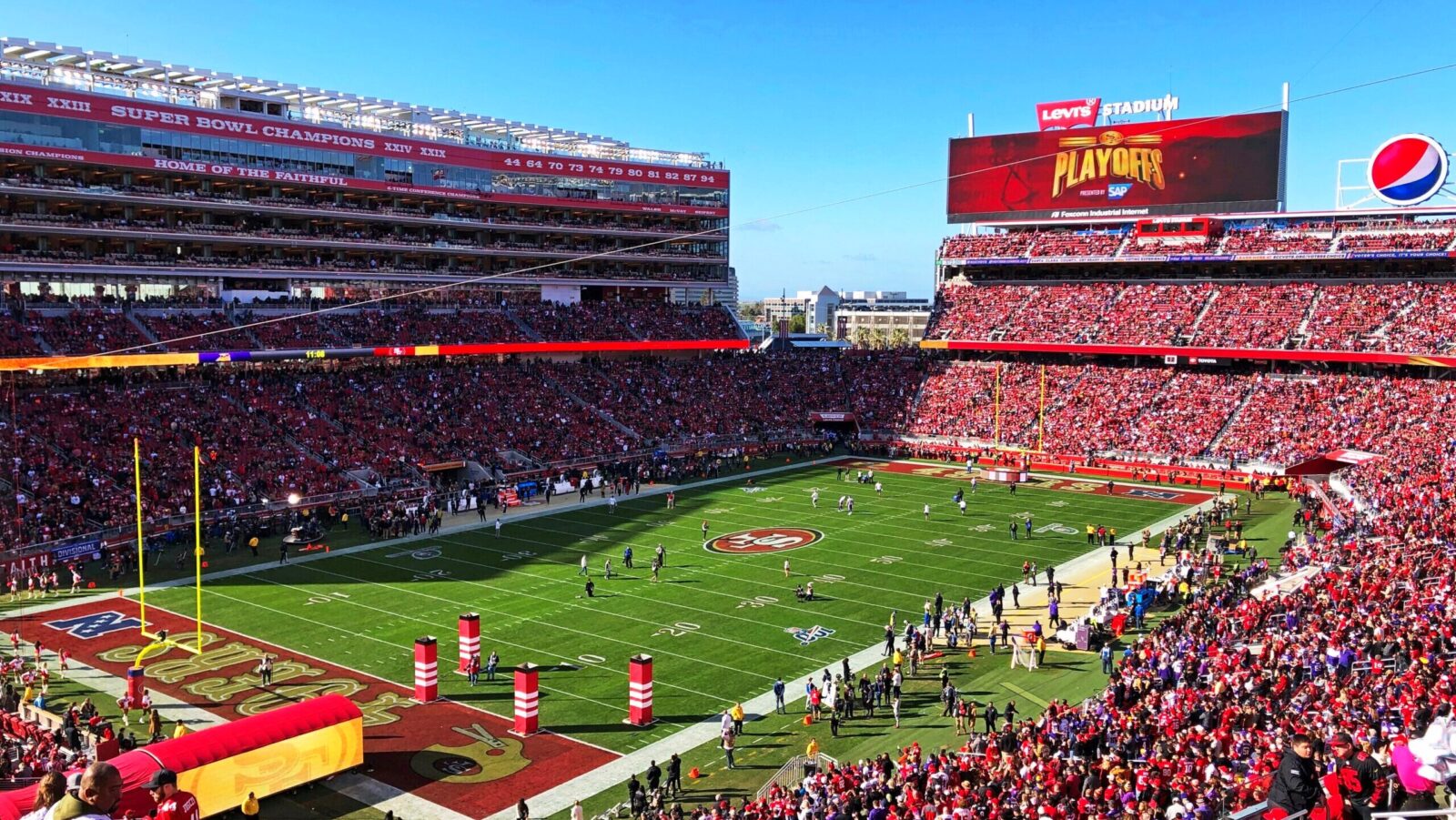
Super Bowl Sunday is just around the corner, and although many Americans will try their luck via the widening world of sports betting, there are some more traditional options for the avid sports fan.
Exchange-traded funds like Invesco’s Leisure and Entertainment ETF (PEJ) and Gabelli’s Opportunities in Live and Sports ETF (GOLS), which launched last month, give investors exposure to the world of live sports, whether it’s by investing in venues like Madison Square Garden or holding entertainment companies like Live Nation Entertainment, which owns Ticketmaster. Sports investments can also be helpful for advisors looking to cater to a younger generation of clients.
“There’s definitely interest in investing around sports, especially among our Gen Z clients who are earning [a] good income early,” said Joon Um, a financial planner with Secure Tax & Accounting. “Many of them [are] in the social media and creator space, which already overlaps with entertainment and live sports.”
Any Given Sunday
GOLS, which has garnered $12 million since its launch last month, isn’t Gabelli’s first foray into the world of live sports — having already been a shareholder of Madison Square Garden — but it is the firm’s first sports-focused strategy, said Alec Boccanfuso, portfolio manager of the fund. It also offers investors exposure to specific teams, like the Atlanta Braves, the only publicly traded Major League Baseball team. “A lot of people assume the sports fund will only own pieces of sport teams, but there’s the whole ecosystem,” Boccanfuso said. “There’s sports technology companies out there, media companies, real estate assets,” he added. “We think the whole industry is attractive.”
Whether events like the Super Bowl actually impact these products’ performance is another story. While Boccanfuso expects a boost from the event — he said it will drive up the value of ESPN, which last week acquired the National Football League’s RedZone channel — Um said it’s inconsequential. “Exposure is usually indirect, and the Super Bowl itself doesn’t meaningfully move sports ETFs beyond short-term hype.”
The performances of ETFs with exposure to the sports industry as a whole are mostly down so far this year:
- The Invesco’s Leisure and Entertainment ETF (PEJ), which is down 2% YTD.
- The Roundhill Sports Betting & iGaming ETF (BETZ), which is down 14% YTD.
Wide Reception: However, the Super Bowl can still influence other areas of sports investing. The Seahawks may get sold after this season, which would reset valuations across the NFL — the last full team sale was the Washington Commanders, at about $6 billion — and drive up sports-adjacent companies’ stocks.
“What we’re going to see is a Super Bowl-caliber franchise theoretically coming to market,” Boccanfuso said. “This would be a real test of how much investors are willing to pay for scarcity, brand power and live fan engagement.”
- Wealth Management EDGE: The premier advisor growth event. Register today, save 20%.
- Retirement Upside: Weekly insights on legacy, income, policy, smarter retirement.
Molasses-Like Jobs Growth Not Enough to Trump Fed’s Rate-Cut Inertia

Wednesday was data déjà vu day. New employment numbers from payments processor ADP suggest the US labor market started 2026 the same way it ended 2025: in a “low-hire, low-fire” environment where companies are holding on to their employees like cherished collectibles but reluctant to add to their ranks.
While weaker jobs data often fuels calls for interest rate cuts at the Federal Reserve, Wednesday’s figures are unlikely to move the needle as the central bank prepares for a new chair when Jerome Powell’s term ends in May.
Fed Up with Work
Hiring in January was not just slower than expected, according to ADP. It was way slower. Private employers added just 22,000 jobs, fewer than half the 45,000 forecast by economists. The number of jobs added in December was trimmed to 37,000.
Manufacturing, in particular, is approaching a potentially gloomy two-year anniversary: The sector has posted job declines in every month since March 2024. It fell by 8,000 positions last month. The education and health sectors, which added 74,000 jobs, did the bulk of the heavy lifting to offset weaker areas, like professional and business services, which lost 57,000 jobs. “[Hiring has] been almost exclusive to healthcare services and a little bit of leisure and hospitality,” ADP Chief Economist Nela Richardson told CNBC. “It is following the consumer right now; it is not following technology to the same extent.”
Which is to say the AI trade, which has powered the stock market in recent years, does not seem to be fueling job growth, even as GDP, unemployment and wages remain solid. With sticky inflation spurring the Fed to keep interest rates higher, a stable labor market offers scant incentive to lower them. President Donald Trump, who wants to see rates cut substantially to buoy growth, told NBC News on Wednesday that he “would not” have tapped finance veteran Kevin Warsh as Powell’s successor if he expressed a desire to raise them. But analysts said it will take more than the latest slowing numbers to motivate policymakers:
- “The ADP report alone won’t be enough to sway Fed policymakers or alter interest rate expectations — nor should it,” wrote eToro analyst Bret Kenwell. “But if the [Bureau of Labor Statistics’] January jobs report shows a similar dynamic, it should, at a minimum, help keep the Fed from adopting an overly restrictive stance.”
- The Fed is still widely expected to leave rates unchanged at its next monetary policy meeting, with markets placing 90% odds on that outcome, according to CME’s Fedwatch.
Only Kidding? Trump joked over the weekend that he will sue Warsh if he doesn’t deliver interest rate cuts as Fed chair. And while Warsh criticized the Fed as he auditioned for the role, he was known as an inflation hawk during his tenure on the central bank’s board from 2006 to 2011. Now, if nothing changes on the Fed’s economic gauges, he may find himself staring across the table at other policymakers who have adopted his old habits.
Upcoming Events
Edited by Sean Allocca. Written by Emile Hallez, Griffin Kelly, John Manganaro, and Lilly Riddle.
Advisor Upside is a publication of The Daily Upside. For any questions or comments, feel free to contact us at advisor@thedailyupside.com.

