Good morning and happy December.
How’s this for a spend-down period?
The Bank of Japan expects to take more than 100 years to liquidate its stock portfolio. That includes over $530 billion in ETFs that the country’s bank started buying up 15 years ago, much of which came from its 2013 monetary easing initiative, Bloomberg reported. The central bank decided in September to start selling its stock pile, which represents massive unrealized gains as the Nikkei index has soared nearly 28% this year. That contrasts with the losses the country has seen in its government debt holdings.
It plans to sell its ETF assets at a rate of just over $2 billion per year. Better put on a pot of coffee (or green tea) … we’ll be here a while.
Schwab Plans to Charge for Shelf Space Next Year. It Could Hit Small Issuers Hardest
Free is a four-letter word, and the financial services industry can count as well as anyone.
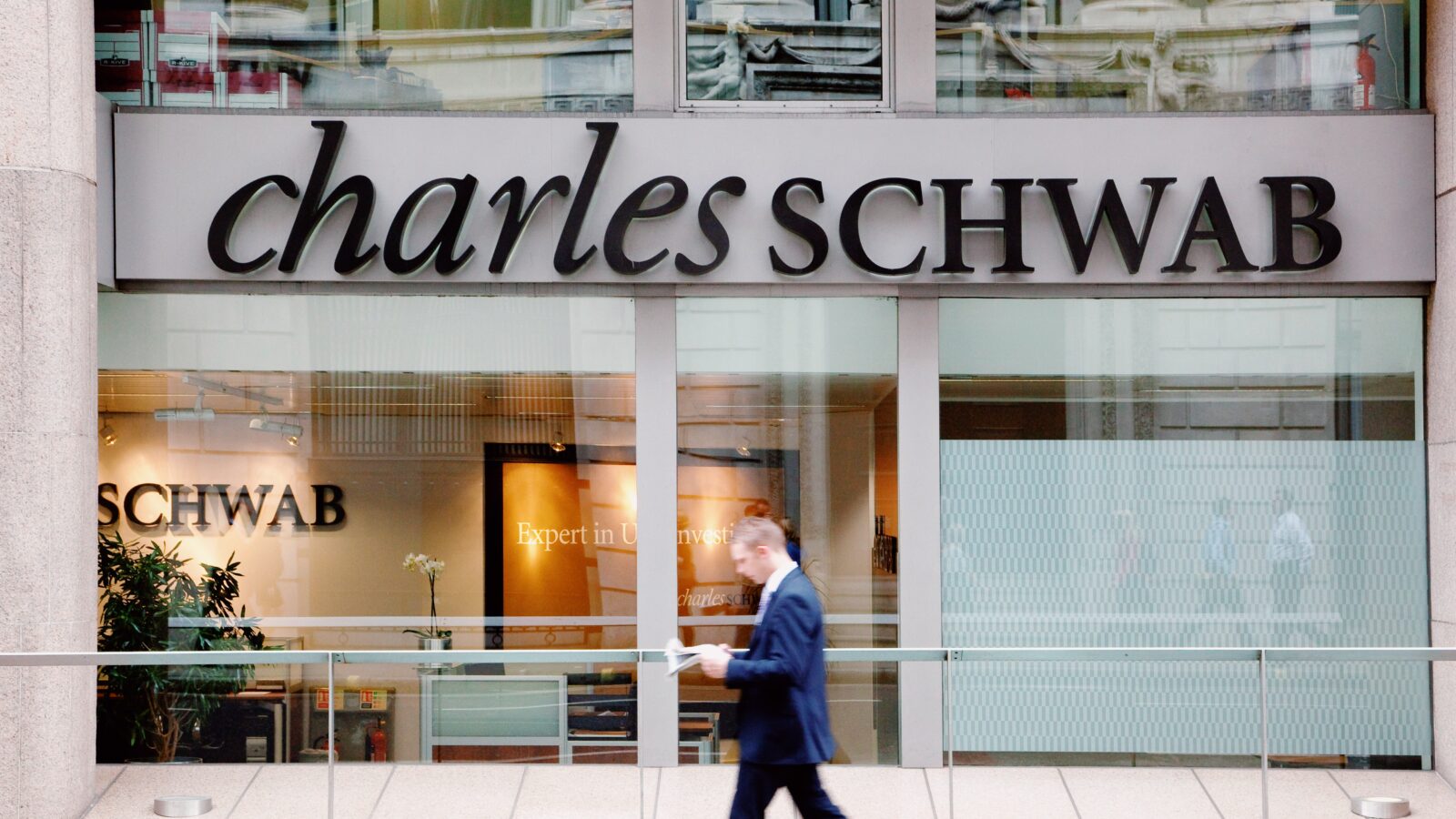
After ending its platform fees five years ago with the wind-down of ETF OneSource, Charles Schwab is poised to reimplement them next year, Ignites reported last month. That follows moves by Fidelity, and other big broker-dealers like Morgan Stanley and LPL, to charge issuers for shelf space on their platforms. It’s not worrying large asset managers, but the fees could put pressure on small and new players to make their funds stand out.
“For smaller shops, it requires them to be more innovative and differentiated in the products they offer,” said Matt Kaufman, head of ETFs at Calamos. Conversely, “the benefit of being new is that it allows you to price in those platform fees.”
Gotta Get Paid
Schwab has used platform fees before, specifically in its OneSource list of preferred products, but scrapped them when the firm got rid of transaction fees. Over the past five years, though, assets flowed into ETFs and largely out of mutual funds (share classes of which can include revenue-sharing). Many more ETFs have hit the market since, and the industry is on the cusp of dual share classes that will add even more products to the mix. Schwab is missing out on a revenue source, and asset managers acknowledge it.
The company noted the changing ETF landscape in a statement to ETF Upside and said it would work with fund companies in ways that would service clients’ best interests. “As our platforms grow in scale and sophistication, we are thoughtfully evaluating ETF issuer fees to ensure alignment with our focus on serving retail investors and advisors,” the company said. Sources told trade publication RIABiz that they anticipate Schwab applying fees similar to those Fidelity uses: 15% of what ETF issuers get or a $100 transaction fee charged to investors.
Almost everyone has played along:
- There are fewer than 30 ETFs from several issuers available through Fidelity that don’t give the company a cut or pay a service fee, and buyers have to pay $100 for transactions.
- Asset managers told ETF Upside that platform charges are understandable and inevitable, though they may disproportionately affect smaller firms. “There may be some products that are not available out front,” F/m CEO Alex Morris said of the effect on newer issuers.
Saved From Zero? Fund fees have been on the decline for years, although the recent surge in new actively managed ETFs has had the effect of skewing them slightly higher. Because asset managers will increasingly have to pay for distribution, the trend in ever-lower fees may be disrupted. “That money to pay them has to come from somewhere … We get it that it has to come out of us,” Morris said. “It is going to slow the pace of fees coming down across the industry.”
It’s a shift in the fund environment, Kaufman said. “It provides transparency. The fees are fairly explicit, rather than being inside a fund information sheet,” he said. “I don’t really see that as a negative.”
Capturing Income, Cushioning Downside
Many investors are increasingly turning to Exchange-Traded Funds (ETFs) for access to a variety of diversified exposures; in doing so benefiting from the transparency, tax efficiency and lower cost that ETFs provide. Goldman Sachs Asset Management offers actively managed options strategy ETFs that seek to meet the needs of investors.
GPIX and GPIQ provide differentiated access combining diversified index exposure with an actively managed options strategy may offer lower volatility and a high level of consistent income.
The Goldman Sachs Active ETFs give you access to decades of expertise and a relentless drive to help your clients achieve their desired outcomes.
Why ETF Platform Consolidation Will Take Off in 2026

New ETF issuers are cropping up left and right, but what happens when more established firms come knocking?
Product launches have broken records, with nearly 800 new funds hitting markets in the first three quarters of 2025, already beating last year’s total of 746. But nearly half of issuers with at least 20 products bring in a third of their annual revenue from their largest fund. While top issuers may have the resources to market all of their funds, some companies, especially those with a few hundred million in assets or less, can struggle. That leaves the door wide open for consolidation, a trend that could reshape how products are developed and marketed.
“Combining and bringing ETFs together under common ownership makes a lot of sense,” said Ben Fulton, CEO of WEBs Investments, adding that just 20% of sponsors actually have the operational setup to support their products without having to outsource.
Marketing Madness
Some issuers have innovative products but lack distribution bandwidth. By rolling in strategies under a larger name, however, they can garner assets instead of languishing in obscurity. That makes the ETF industry similar to pharmaceuticals, Fulton said, where innovative products are being developed by companies with fewer assets, and merging with larger firms is a necessary precursor to market penetration. Private equity may also play a role in helping smaller issuers better market their products, Fulton added. If PE rolls in smaller firms — or provides a tech stack or a team of wholesalers — there’s more time for distributors to actually distribute.
Some recent examples of platform consolidation include:
- Last month, the crypto trading platform FalconX agreed to buy UK-based ETF provider 21Shares.
- In 2023, Amplify acquired ETF Managers Group’s product lineup, pushing the former’s total assets to over $8 billion.
“There are some great ideas sitting in smaller firms that, if brought into a larger firm or if someone used it as a roll-up, these products would shine,” he said. “But sitting by themselves in a firm with only a handful of products and maybe two or three salespeople, it’s going to be tough to fight through the maze.”