
Good morning and happy Friday.
You think we’ve got an AI bubble?
RRP Semiconductor, a little-known Indian chip company that trades on the Bombay Stock Exchange, has seen its share price surge an astounding 55,000% in the 20 months through December 17. That’s by far the best performance of any company in the world with a market value of at least $1 billion, according to a Bloomberg analysis published Thursday.
Oh, and this comes after RRP switched its focus from real estate to semiconductors in 2024 (that’s an easy pivot, right?). In its latest earnings report, the company reported negative revenue and declared it had just two full-time employees. They must make some rocking chips.
Upbeat FedEx Forecast Makes Holiday Sales Prospects Jollier
In less than a week, the North American Aerospace Defense Command will conduct its annual operation tracking Santa’s circumnavigation of the globe. Unfortunately, because of the government shutdown this fall, there’s not enough data on the elfen labor at his workshop to get a clear picture of Christmas demand.
Thankfully, that’s what FedEx’s earnings are for. The shipping company reported an adjusted profit of $1.1 billion in its latest quarter on Thursday, up 25% year over year, and revenue of $23.5 billion, up 7.7% year over year. Both figures bested Wall Street’s expectations and bode well for overhaul efforts at FedEx as well as the shipper-friendly holiday season.
Repackaged Offering
FedEx shares have gained a meager 2% in 2025, with quarterly revenue still lagging the company’s $24.4 billion pandemic peak in 2022. The end of lockdowns, which were a gift-wrapped turbocharger to the bottom lines of parcel firms, gave way to years of inflation followed by tariffs, putting a hurt on volumes and margins. Sales were flat or declined for three years until the quarter ending in August. That’s when FedEx delivered Wall Street a surprise 3% growth in year-over-year revenue to $22.2 billion. That helped turn investors bullish, with shares up 27% since late September.
Wall Street is also watching a handful of overhaul initiatives designed to unlock shareholder value. In the spring, FedEx won new business from Amazon after UPS reduced its ties with the e-commerce giant, citing low margins. The new Amazon partnership is expected to be fully onboarded by February. Then there are plans to spin off FedEx’s freight business by the middle of 2026, which executives say will position the two resulting companies to better focus on their own operations and capital allocation. Finally, an ongoing cost-reduction program is expected to trim $1 billion in fiscal 2026. FedEx’s latest earnings, announced Thursday, heralded more fuel for the rally:
- In September, FedEx forecasted fiscal 2026 sales growth of 4% to 6%. On Thursday, executives upped that forecast to 5% to 6%.
- FedEx now projects an annual profit of $17.80 to $19 per share, up from its previous $17.20 to $19 range. The company said package yields and volumes rose in its Federal Express segment, a sign that the traditional spike in holiday shipping hasn’t been disrupted by tariffs (FedEx previously warned of a $1 billion hit to its profits, mostly due to fewer shipments from China).
Fleeting: Following the fatal crash of an MD-11 freighter plane operated by UPS last month, US officials ordered the grounding of the aircraft, which is also used by FedEx. Stifel analysts said the MD-11 grounding’s impact, which applies to 5% of FedEx’s fleet, would prove “minimal.”
The Asset You Forgot To Protect

You already insure your home, diversify your portfolio and lock down your passwords. Yet your identity, arguably your most valuable asset, often goes unprotected. In a world of constant data breaches and AI-enabled fraud, exposure isn’t theoretical, it’s probable.
NordProtect helps reduce that risk with:
- 24/7 identity & dark web monitoring to surface threats before they escalate.
- Credit monitoring and real-time alerts for suspicious financial activity.
- Identity theft restoration with up to $1M in coverage and insurance-backed financial protection if the worst does happen.
Because the smartest protection strategy is stopping problems before they hit your balance sheet. Risk is cheaper to manage early and far more expensive to clean up later. NordProtect reduces exposure with continuous monitoring and expert-backed identity recovery.
Protect your identity with NordProtect and use code “thedailyupside” for up to 73% off.*
Elliott Takes $1 Billion Stake in Lululemon, Swaying CEO Search
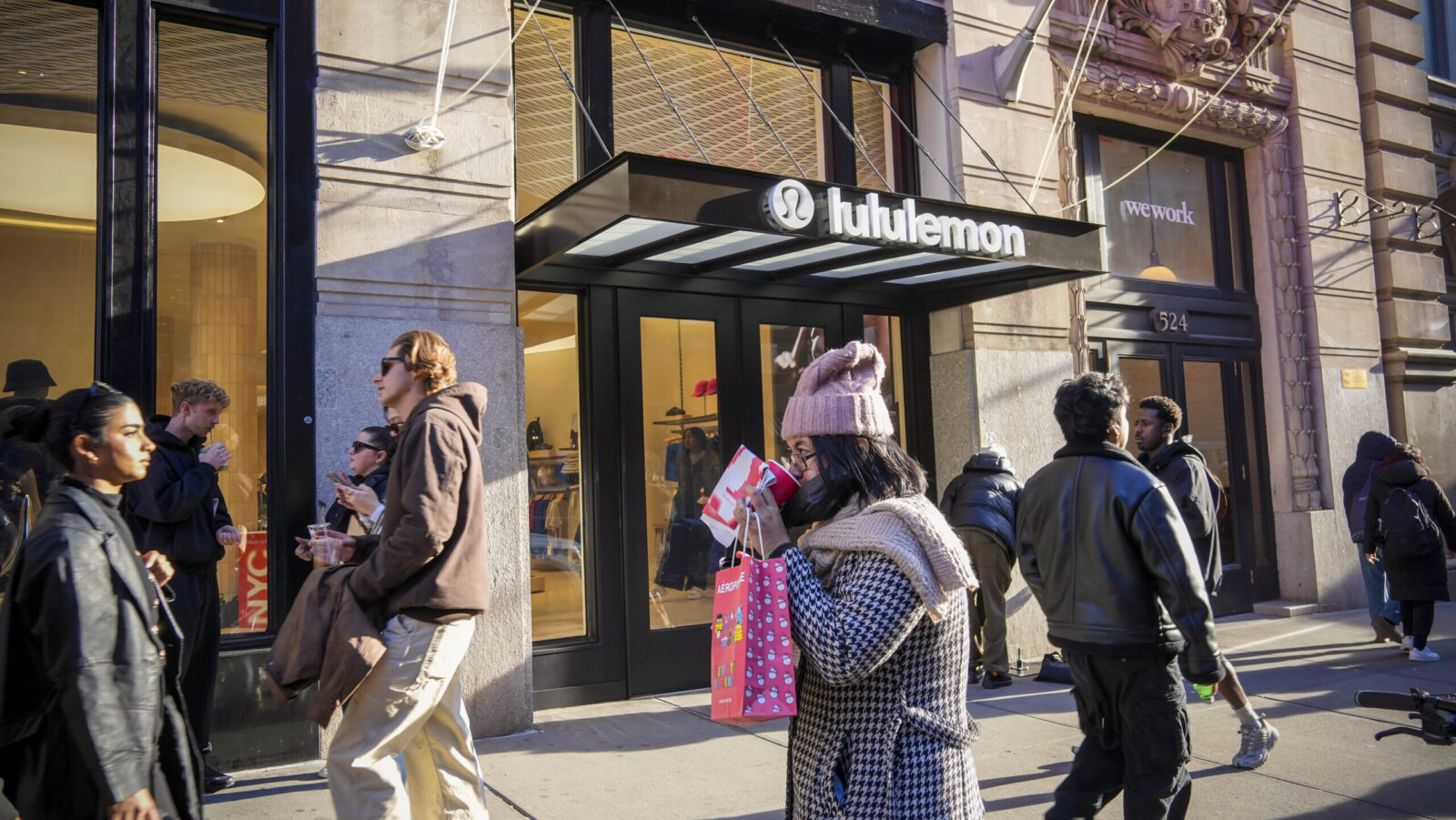
In 2023, The New York Times declared “soft pants” were “The Postpandemic Benefit That’s Here to Stay,” citing Lululemon’s $148 fleece-lined pleated trousers. Two years on, the soft-pants standout has lost some of its flex, and it’s time for a workout that it would just as soon skip.
According to a report in The Wall Street Journal on Thursday, Elliott Investment Management has built a $1 billion stake in the athleisure company. The reveal comes just a week after Lululemon CEO Calvin McDonald announced he would step down from the top job in January following a tough year for the business, and you can be sure that Elliott is planning to take an active role in hiring his replacement.
Making Lemonade from Lululemons?
While the company’s annual revenue has tripled to about $11 billion since McDonald took the top job in 2018, growth is starting to stall, especially at home. In its third-quarter earnings call last week, Lululemon reported a 5% dip in comparable sales in the Americas and a 3% net revenue decline in the US as it faces threats both below, from smaller rivals like Vouri and Alo Yoga, and above, from retail behemoths like Nike and Gap’s Athleta.
Worse, analysts, customers and perhaps most importantly, founder Chip Wilson, say the brand is losing its premium patina as its store racks are increasingly stocked with discounted clothes often bearing NFL emblems and corporate mascots. “Finance-focused CEOs […] think they understand great product when they don’t,” Wilson wrote in a scathing full-page ad in the WSJ earlier this year.
Translation: The company that grew off the reputation of its perfectly stylish and stretchable leggings might now be finding itself stretched too thin. Enter Elliott:
- The activist firm has already held talks with former Ralph Lauren CFO and COO Jane Nielsen to take over the top spot, sources tell the WSJ. During her stint selling Polo, the brand cut back on discounts and saw its share price double as profit margins widened.
- It’s a turnaround Lululemon could use; shares of the company are down roughly 40% year-to-date, even after a significant rebound following the news of McDonald’s imminent departure.
Add It To The List: For Elliott, the Lululemon stake is just the latest venture in the consumer space. Last year, the firm took out a major stake in Starbucks — helping to push former Chipotle CEO Brian Niccol into the coffee chain’s top job — and, in September, it revealed a major stake in PepsiCo.
Meet Range. All-In-One Wealth Management. Discover upside in any scenario. Range generates thousands of advanced projections that calculate your goals and account for market changes. Our advanced algorithms take every one of your data points and project multiple scenarios. You’ll discover new opportunities and shine light on upsides you may have missed. Book a complimentary demo with Range today.**
Cannabusiness Prospects Light Up as White House Reclassifies Marijuana
President Trump hit the pen yesterday — the felt-tip pen — signing an executive order to ease federal restrictions on marijuana. The order downgrades marijuana from a Schedule I drug to Schedule III.
Schedule I drugs are considered the most dangerous, with no medical applications, including substances like heroin and LSD. A reassignment to Schedule III puts marijuana in the same category as ketamine and Tylenol, drugs that have accepted medical uses and are considered less addictive.
While the executive order doesn’t legalize marijuana at a federal level, it opens the doors for more medical research, lowers some taxes for the industry and could motivate more states to legalize the drug. Shares of cannabis companies, including Canopy Growth and Tilray, jumped on the news.
A Sticky-Icky Situation
Cannabis is medically legal in 38 states and recreationally in 24. Sixty-four percent of Americans think marijuana should be legal, but support by legislators is less one-sided. The push to reschedule the drug began under former POTUS Biden in 2022 but progressed slowly thereafter. Trump’s order faces pushback from 18 GOP senators and 26 House Republicans.
On the other side of the dispensary aisle, cannabis companies have lobbied Trump to push forward rescheduling efforts that may make it easier to run their businesses:
- The main impact rescheduling’s expected to have is letting cannabusinesses off the hook from IRS Code 280E, which doesn’t allow businesses that handle Schedule I or II substances to deduct standard business expenses. That could reduce the high tax burden cannabis companies face. Spherex told CBS that companies in the sector face tax rates up to 80%.
- However, rescheduling won’t help cannabis businesses with their banking problems. Until marijuana is federally legalized, dispensaries will largely remain cash-and-debit facilities, since most banks are reluctant to risk the severe penalties that apply under existing law. Cannabis companies also have limited access to capital because of their federal status.
Seeing green: Marijuana sales are expected to hit $35.3 billion this year and climb to $62.8 billion by 2030, MJBiz Factbook found. Those totals could swing depending on the federal government’s future stance. If the US does, in the words of Sean Paul, “legalize it,” the country could see an influx of cannabusiness. Companies are already making inroads in anticipation: Tilray announced yesterday that it’s expanding its medical marijuana biz stateside.
Extra Upside
- Not a Typo: President Trump’s social media business announced a surprise merger with a nuclear fusion company on Thursday.
- Waiting on January: Inflation eased to 2.7% last month from 3% in September, according to the Labor Department, but economists cautioned not enough data was collected during the government shutdown and the figure may be understating consumer prices.
- Start Your Week With The Prof G Markets Newsletter — A breakdown of what’s moving capital markets, paired with unfiltered takes from Scott Galloway, Ed Elson and guests. Read the latest post on Prof G’s investing outlook for 2026 and a breakdown of what happened to Figma stock.***
*** Partner
Just For Fun
Disclaimers
*Offer is available to New Users only.
**Non-client promoter providing paid endorsement of Range Advisory, LLC. Compensation creates a conflict of interest. Not investment advice. Visit Range.com for details.