
Smart, actionable news trusted by millions.

Our flagship newsletter delivers smart news and analysis on finance, and investing — all for free.

Good morning and happy Monday.

Target has a target on its back. The Financial Times reported Friday that activist hedge fund Toms Capital has taken a “significant” stake in the struggling retailer. It’s not hard to see why the company is primed for activist pressure: Target has posted minimal or negative sales for 12 straight quarters, and its shares are down 26% this year.

Toms, which has rallied for changes at Pringles and Pop-Tarts maker Kellanova and US Steel, entered the spotlight earlier this year when it took a stake in Tylenol-maker Kenvue before it was sold to Kimberly-Clark for $40 billion. To satisfy investors, Target plans to invest $5 billion in improving stores, merchandise and digitalization next year while reviving relationships with highly coveted customers who have walked in to buy nail clippers, become distracted and ended up spending $100 on candles and a new lamp instead.

Personal Finance

Holiday Shoppers Brace for 2026 Payments on Record BNPL Loans
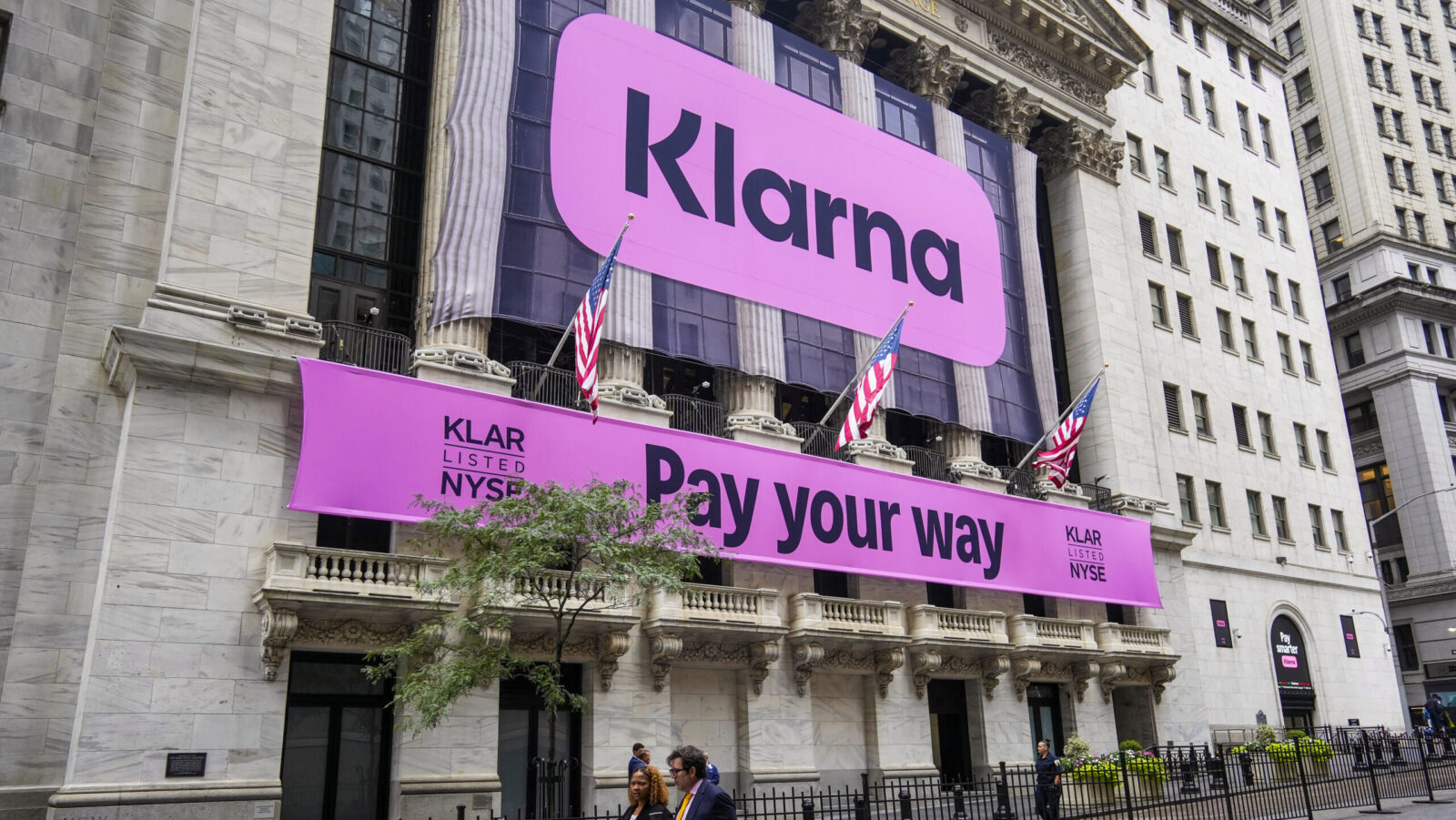
Photo of a Klarna banner outside the New York Stock Exchange.
Photo via Richard B. Levine/Newscom

“The Ghost of Christmas Present” might turn out to be the phantom debt consumers accrued on gifts this holiday season: Shoppers put a record $10 billion worth of purchases on buy now, pay later plans in November, Adobe found, and $1 billion on Cyber Monday alone. About half of Americans have used BNPL services, according to industry estimates, to purchase everything from designer purses to burritos.

In fact, from that vantage point, the debt might be less like the cheery spirit that showed Ebenezer Scrooge what a good time his poorer acquaintances were having on December 25 and more akin to the ominous specter that Charles Dickens dubbed “The Ghost of Christmas Yet to Come.”

It’s difficult to peg exactly how big the BNPL debt pile is because it’s largely invisible. BNPL lenders aren’t required to report totals to credit bureaus, and generally don’t have to follow regulations that financial offerings like credit cards do.

Before regulations catch up to the relatively recent fintech, a generation of so-called “Klarnamaxxers” could find themselves more beholden to lenders than they realize.

Pay in 4 (ever)

BNPLs have taken off in a short period of time. Capital One found that Americans bought more than $116 billion via the plans in 2023, up from $2 billion in 2019. BNPL giants rake in revenue from these loans mainly by charging merchants transaction fees. Klarna debuted on the NYSE in September at a $15 billion valuation and, in its first publicly reported quarter, made $903 million, a 26% jump from the same time last year.

Borrowers, approved without a credit report, can instantly access credit lines up to $20,000—and they can increase their shopping budget manyfold by tapping funds from multiple companies at once. Klarna’s competitors include Affirm, PayPal, Afterpay, Zip and Sezzle.

Because they offer short-term installment plans, BNPL lenders don’t have to follow the rules of the CARD Act, which tightened qualification standards for credit cards in 2009, or the Truth in Lending Act, which sets out requirements for consumer transparency (like clearly disclosing rates and fees) for loans longer than four months. Although typical BNPL plans spread payments over four to six weeks, they can last much longer.

Regulators haven’t cracked down:

  • The CFPB investigated BNPL companies in 2021 and sought to treat them like credit cards, but the agency reversed course under President Trump. There’s a patchwork of state-level regulations on the companies, but those are simple to skirt.
  • Still, consumers could soon be deterred from taking on too many installment plans, since FICO plans to start including BNPL debts in their loan histories. It’s unclear how FICO will get the info from the companies, though.

Swiping In: Traditional financial institutions are trying to take some business from their young fintech rivals. Credit cards from Citi, Chase and American Express have rolled out installment plans. But not to be outdone, Klarna introduced a debit card.

Consumer

Another No Good, Very Bad Year for Retail Stores

There was no forever in store for Forever 21’s US stores. The same goes for fellow bankrupt companies Joann Fabrics and Party City, which joined the fast-fashion brand in closing their brick-and-mortars over the past year.

We experienced another slaughter for physical stores at large in 2025 as inflation and high operational costs ate away at profit margins and shoppers continued to purchase from their couches. Tween favorite Claire’s, department stores Kohl’s and Macy’s, and discount retailer Big Lots were also victims.

As of early December, US retailers had announced more than 8,000 store closures for the year — up 13.2% from the same period in 2024, according to a report from Coresight Research. Those closures come alongside just about 5,100 store openings, which is 8% fewer than last year.

End of the Mall Rat?

Next year looks a bit brighter on the macroeconomic front, thanks to projections of lower inflation, lower interest rates, lower unemployment and stronger GDP growth. But continued fragmentation in consumer behaviors may boost nontraditional players, says John Mercer, head of global research for Coresight. Think cross-border commerce like Temu and Shein, social commerce via Instagram and TikTok, and quick commerce platforms with lightning-fast delivery.

In other words, 2026 looks like another rough year for retailers trying to get customers to the mall:

  • Mercer says we can expect store closings to remain high and even increase if retailers face rising costs that they can’t pass on without driving customers away.
  • We’re also about to see more AI-powered shopping agents. McKinsey predicts that by 2030, the US business-to-consumer retail market could see up to $1 trillion in revenue from agentic commerce.

The Dollar Generals, Marshalls and Aldis of the world have less to fear. Successful value-positioned off-pricers, dollar stores and discount grocers will continue expanding, Mercer predicts.

Gen Z Shows Promise: Teens and 20-somethings are known for being glued to their screens, but they may actually be the market that brick-and-mortars need. A PwC analysis shows that 61% of Gen Zers want to discover new products in stores. This holiday season, those young shoppers wanted to be able to touch and see products before swiping their cards, enjoy festive displays and chase in-store promotions.

Meet Range. All-In-One Wealth Management. Discover upside in any scenario. Range generates thousands of advanced projections that calculate your goals and account for market changes. Their advanced algorithms take every one of your data points and project multiple scenarios. You’ll discover new opportunities and shine light on upsides you may have missed. Book a complimentary demo with Range today.*

Consumer

Online Shoppers, Say Goodbye to Free Returns 

Nothing in life is free. Not even online returns.

For years, consumers got used to treating their bedrooms like fitting rooms as e-commerce grew in popularity and eventually boomed during the pandemic. Sure, there was the convenience of ordering a new pair of shoes and having them delivered to your doorstep. But one of the other major bonuses of online shopping was that you could send back your purchases with no questions asked and no money asked for.

That benefit — once an industry norm — is going by the wayside. In the US, 72% of merchants charge for at least some return options, up from 66% last year, according to a report published by the National Retail Federation (NRF) and UPS-owned logistics company Happy Returns in October. That’s in part due to the same reason that shopping is more expensive across the board nowadays: tariffs.

Got Membership?

Tariffs have pushed up the costs of goods and labor. As companies’ overall cost of doing business increases, so has the cost of managing returns — think everything from shipping prices to labor at distribution centers.

As a result, retailers have had to pivot. Free returns are now a perk, not a guarantee:

  • More retailers are offering free online returns as a reward for signing up for their membership or loyalty programs, says David Morin, vice president of customer strategy at returns technology company Narvar. At Macy’s, for instance, return shipping is free for Star Rewards members, but $9.99 plus tax for non-members.
  • First-party data is critical to retailers, and having customers sign up for those programs gives them access to it, Morin says. Customers don’t seem to mind: 73% of the roughly 3,500 consumers Narvar surveyed for its 2025 State of Post-Purchase Report said they would share more personal data with trusted retailers if it gave them better loyalty perks and experiences.

Go Old School: You can also almost always just head to a physical store to avoid the return fee (and get a faster refund). Amazon, which has upended the way we think about online shopping, lets customers return items at Whole Foods, Kohl’s, Staples and UPS in addition to its own physical stores.

Extra Upside

  • Merry Metalmas: Gold, silver and platinum all hit record highs Friday as they closed the year on a bullish trajectory amid continued global political uncertainty.
  • The End of HoobastankFan3000: Did a younger, more innocent you sign up for Gmail with a now-embarrassing username? Google is adding a feature that will let you change it and keep your account data.
  • Sick Of Starting Over Every January? You can skip the pressure and crash diets with this science-backed weight-loss tool — no restriction, just personalized coaching. Over 20 million people are using it. Start now and begin 2026 with confidence.**

** Partner

Disclaimer

*Non-client promoter providing paid endorsement of Range Advisory, LLC. Compensation creates a conflict of interest. Not investment advice. Visit Range.com for details.

Sign Up for The Daily Upside to Unlock This Article
Sharp news & analysis on finance, economics, and investing.