

Good morning.
Hardly anyone expects a rate cut out of this week’s Federal Reserve policy committee meeting, so bets on the central bank are focused elsewhere. On Monday, traders on Polymarket and Kalshi assigned 47% and 49% odds, respectively, that President Donald Trump will nominate BlackRock’s CIO of global fixed income, Rick Rieder, to be the next Fed chair.
Just three weeks ago, Rieder was given a meager 4.7% chance of being nominated on both major betting exchanges. His meteoric rise comes days after Trump flattered him as “very impressive” and told one-time frontrunner and White House economic adviser Kevin Hassett, “I want to keep you where you are.” The odds in favor of Hassett, seen as a virtual shoo-in last month at over 80%, have plummeted to 7%. At least that’s still a better shot than the LA Rams or the Denver Broncos.
Meet the Only ERP with a 5-Star Rating on G2

What would you do with 10 extra days in your month? Do you want to find out?
Rillet is the accounting platform designed for fast-growing companies.
While legacy accounting systems are bogged down in rigid frameworks and clunky design, Rillet is AI-native: built for both speed and accuracy. It was designed by accountants, for accountants, with AI embedded at the ledger level, not bolted on decades later.
Fast-growing companies are switching to Rillet every day, and it’s the only ERP with 5 stars on G2.
Trump Bolsters Critical Minerals Pipeline with $1.6 Billion Stake in USA Rare Earth
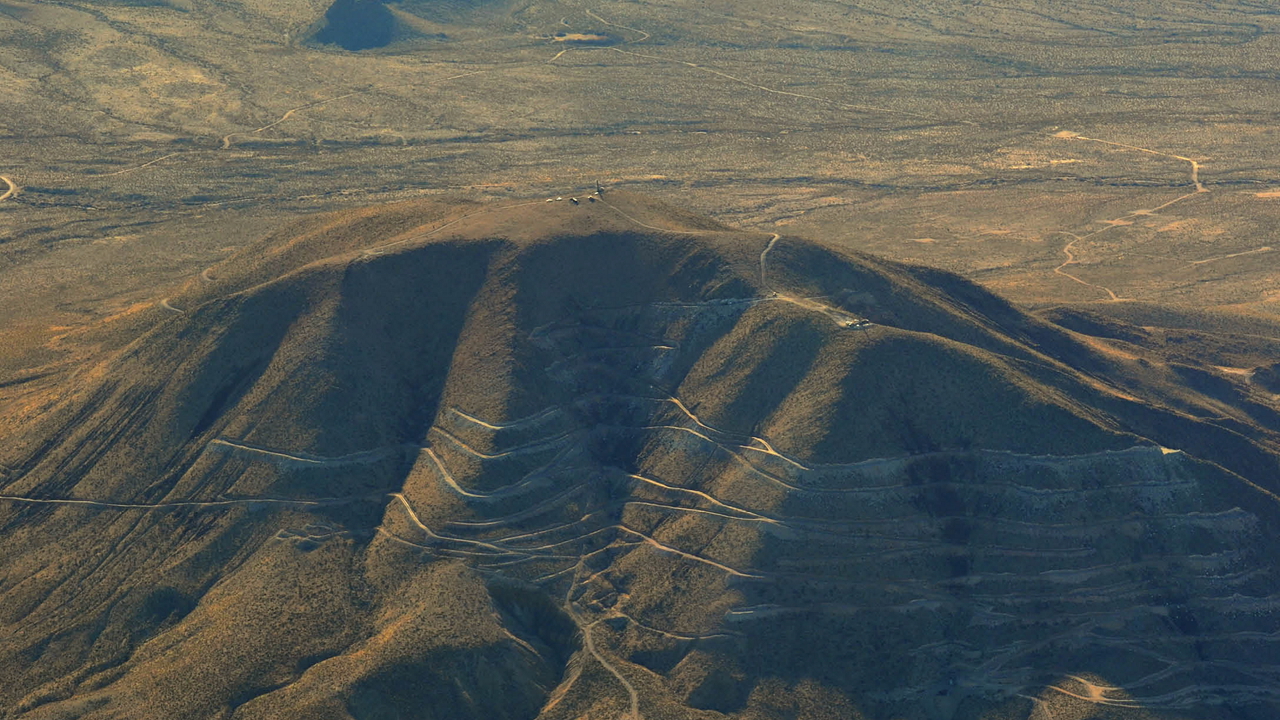
Now that the White House has swapped threats of force in Greenland for a diplomatic ‘factory reset,’ the real work begins. The US is rushing to stand up a critical minerals pipeline to break Beijing’s chokehold. With China controlling 70% of the rare earths used in everything from fighter jets to chips, this isn’t just a supply chain update; it’s a race for technological survival.
The Department of Commerce struck a deal on Monday to take a roughly 10% stake in USA Rare Earth, backing the company’s plans to build a mine at a rare earth deposit in Texas and a magnet production facility in Oklahoma. This follows deals last year that saw the government take stakes in MP Materials, Lithium Americas and Trilogy Metals, with equity proving a more reliable pathway into the minerals sector than transatlantic saber-rattling.
A PIPE Dream
Since Trump took office last year, the federal government has taken stakes or negotiated the right to acquire shares in no less than 10 companies, perhaps most famously via a so-called “golden share” in Nippon Steel-owned US Steel. Six of those companies are involved in critical minerals, reflecting the anxiety some US officials feel about China’s dominant role in crucial resources.
USA Rare Earth will be the first-in-America mine-to-magnet specialist in heavy rare earths like dysprosium and terbium if and when its west Texas rare earths mining project opens by the end of 2028. A magnet manufacturing plant for those minerals in Stillwater, Oklahoma, is scheduled to open this spring, while USA Rare Earth bought a UK firm last year that gave it a processing facility in Britain and one soon to begin construction in France:
- In exchange for $1.6 billion in federal funding, the Commerce Department will get 16 million shares of USA Rare Earth stock and nearly 18 million warrants. Depending on whether it exercises all those warrants, the government stake will be 8% to 16%, according to a filing with the SEC.
- USA Rare Earth also raised $1.5 billion via a private investment in public equity (PIPE) deal. Confirmation of the government and investor cash infusions sent shares up 7.8% Monday. (They’ve rallied over 120% in 2026 so far.)
Dig This: William Blair analysts have pointed out a prevailing “assumption that there is more government rare earth funding to come.” They urged savvy traders to keep their eyes on US critical mineral miners NioCorp Development and United States Antimony, as well as Australia’s Lynas Rare Earths, which is exploring potential projects in Texas. Trilogy Metals, in which the Trump administration took a 10% stake in October, is based in Vancouver, Canada, so more shopping abroad wouldn’t be unheard of.

How Two Brothers Quietly Doubled the Market. Consistently beating the S&P 500 is exceptionally difficult and famously rare. Since 2017, brothers Deiya Pernas, a former fund executive, and Dean Pernas, a trained engineer, haven’t just outpaced the market, they’ve trounced it. Get their top ideas delivered to your inbox.
Home Remodeling Set to Slow in Sluggish Sign for Housing Market
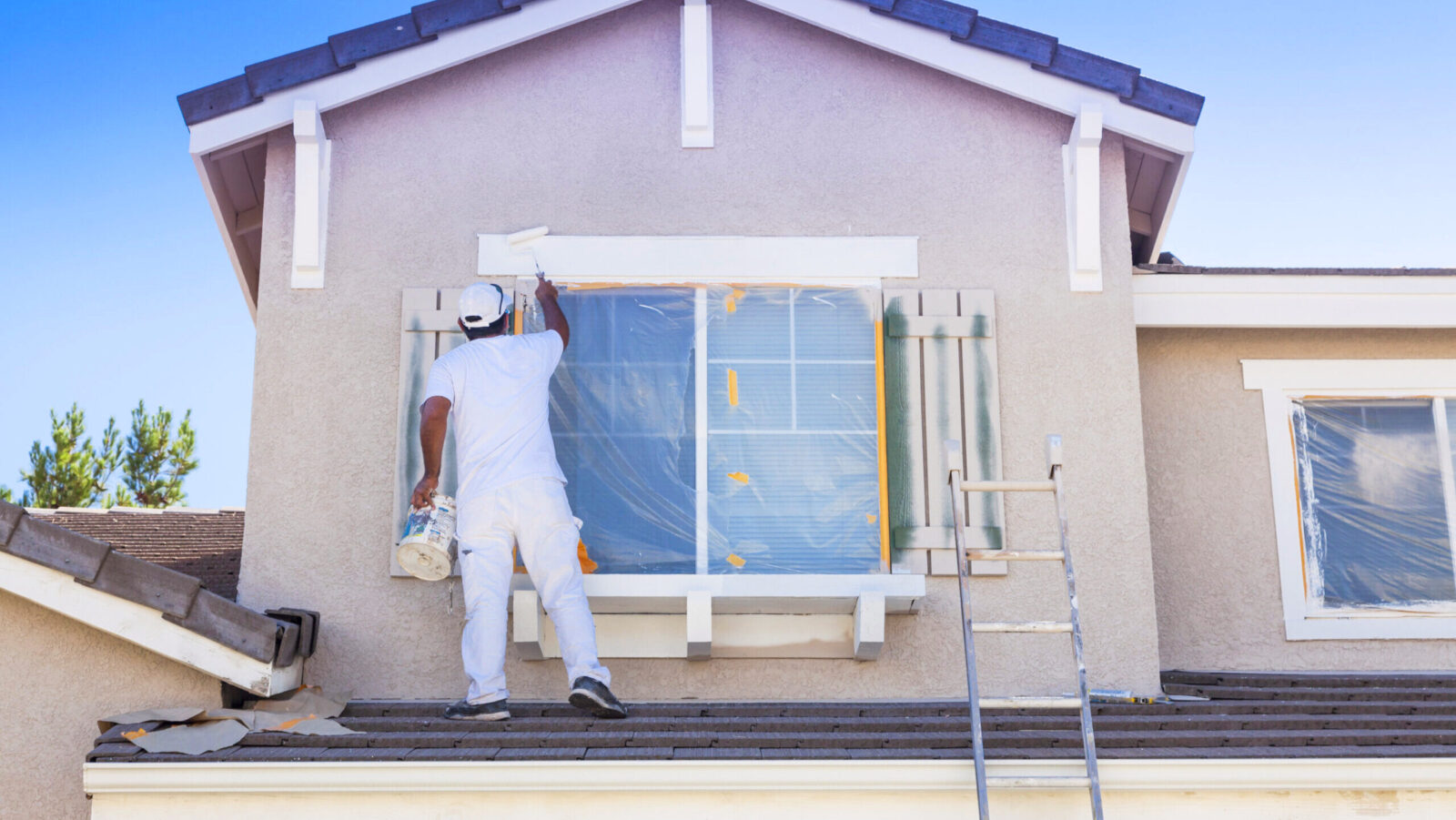
Home improvement isn’t only for people with ’90s nostalgia and a Disney+ subscription. Outside of the Tim Allen sitcom, it’s a vital pulse check that economists use to track the health of the housing market.
And lately it’s been looking a little under the weather. On Monday, Harvard University’s Joint Center for Housing Studies released its quarterly Leading Indicator of Remodeling Activity (LIRA) report, which measures home renovation and repair spending in the United States. Repairs, experts note, closely track the broader housing market, which is why signs of a slowdown in the second half of the year warrant close reading.
Put a Socket in It
LIRA, a weighted average of economic indicators used to project spending on home remodeling, additions and alterations, accounts only for homes occupied by their owners.
The Harvard center said its latest projection based on LIRA is that home renovation spending will rise 2.9% in early 2026 before shrinking to 1.6%. All told, spending on home improvement and maintenance, expected to total $522 billion in 2026, appears to be losing strength amid cost pressures. Earlier this month, Bankrate forecast that interest rates on home equity loans and home equity lines of credit will ease somewhat this year but still average 7.75% and 7.3%, respectively. Those are significantly higher than the historic low equity loan rates of 3.86% during the pandemic. The cost of materials has gone up, too, and there are even signs that renovating before selling isn’t the advantage it once was:
- According to a Realtor.com report last month, the median flipped home in the US was purchased for roughly half the market median price last year. Even after renovation, it was listed for only 87.8%.
- The report also found that flipped homes sold at an 8.3% discount from their initial listing price following renovation, suggesting softening demand.
Staying Put: Cost pressures are being felt in the broader market: The National Association of Realtors (NAR) said its pending home sales index fell 9.3% in December. Uncertainty about the economy and labor market has incentivized homeowners with mortgage rates below 5% — aka the majority of them — against listing their properties, even as mortgage rates have eased. Realtor.com analysts forecast mortgages will average 6.3% in 2026, meaning jumping back into the housing market would force them to risk paying a higher interest rate.