

Good morning and happy Friday.
Only little people pay jacked-up ticket fees. The Justice Department reached a settlement with Ticketmaster owner Live Nation, but that hasn’t spared the company the embarrassment of legal discovery. Documents unsealed in the case, in which some state attorney generals have pledged to forge ahead, revealed chats between two regional ticketing directors boasting of “taking advantage” of “stupid” customers with exorbitant ancillary fees.
“Robbing them blind baby That’s how we do it,” Jeff Weinhold wrote to Ben Baker in a January 2022 Slack message highlighting skyrocketing premium parking revenue, records show. In another conversation, Baker allowed that “I almost feel bad taking advantage of them,” noting how he even managed to unload “VIP parking up to $250” at one Kid Rock show. Live Nation, in a statement, said the exchange “absolutely doesn’t reflect our values or how we operate” and that the company will “be looking into the matter promptly.” Need VIP parking for your next show? Call us.
Farmland: A Consistent Investment for Volatile Times

For decades, investment-grade farmland was an exclusive “quiet” asset class for the ultra-wealthy. That changes on March 18.
The Proterra AcreTrader Farmland Fund LP merges AcreTrader’s expert sourcing and management with the institutional power of Proterra Investment Partners. This open-ended fund offers a diversified, professionally managed gateway into a resilient real asset.
Why invest?
- Real assets: Direct access to high-quality U.S. farmland via a tax-efficient private REIT.
- Portfolio stability: Gain an inflation hedge with historically low correlation to stocks and bonds.
- Historical performance: Access an asset class that has delivered a 9.4% average annual return since 1997, with remarkably low volatility.*
Fed’s ‘Goldilocks’ Economic Strategy Disintegrating amid Hormuz Strikes
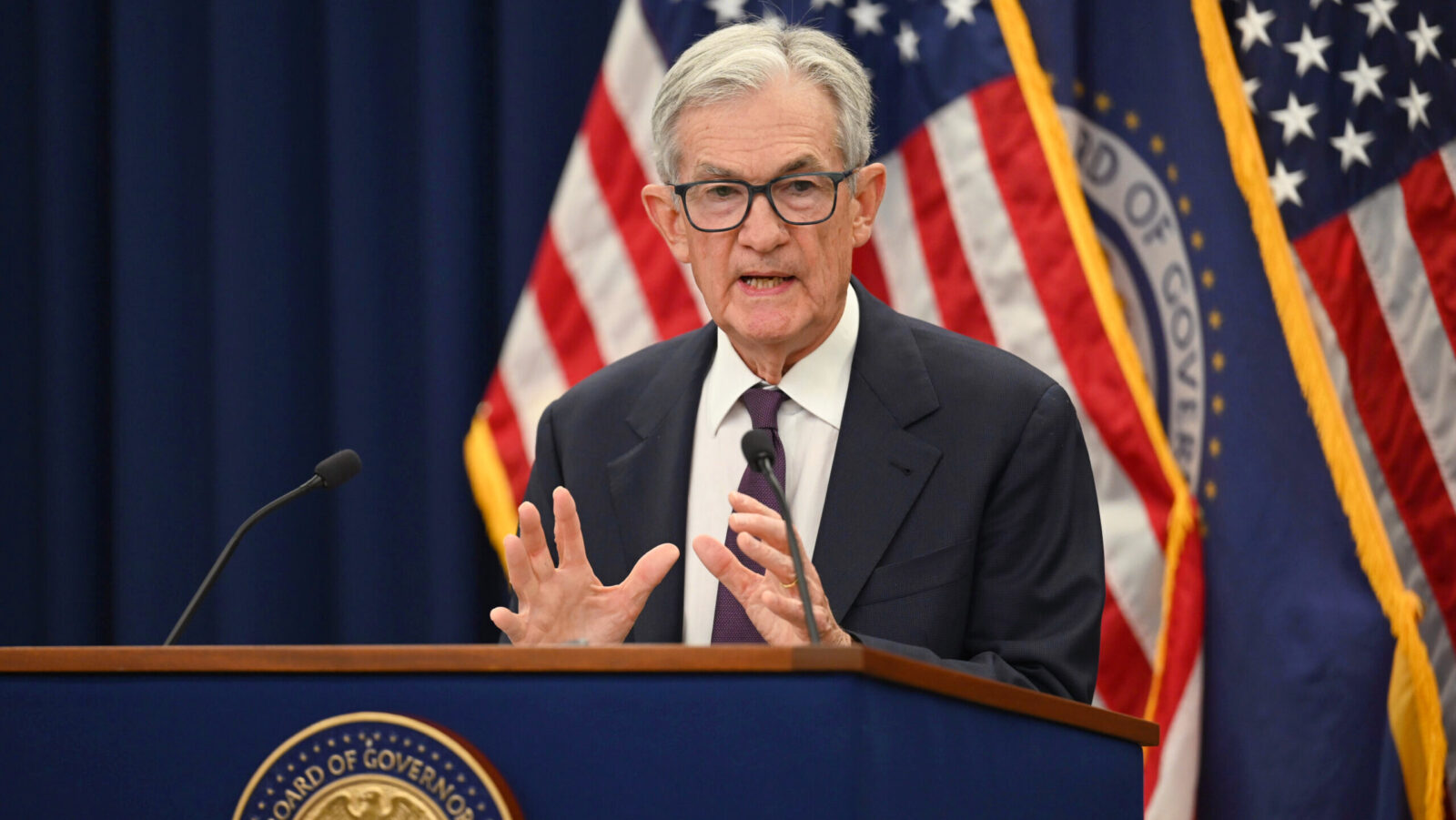
Jerome Powell’s Goldilocks economy just found a wolf at the door. Since 2012, the Federal Reserve has explicitly targeted a long-run inflation rate of 2%. Officials believe it’s the best way to promote a not-too-hot, not-too-cold economy with stable prices and maximum employment. A budding energy crisis due to the Iran war, however, is complicating matters.
Government figures released this week show US inflation held steady at 2.4% in February, a sign the economy was moving toward the Fed’s Goldilocks scenario. But, because the US-Israel war with Iran began on February 28, the data point is already more dated than a frosted mullet.
Rockets and Feathers
Indeed, the United Kingdom Maritime Trade Operations confirmed a new attack in the Persian Gulf on Thursday, bringing to 16 the total number of vessel strikes relayed to the Naval Reserve-manned group. As a result, the world’s most important oil chokepoint, the Strait of Hormuz, remains in near shutdown, threatening sustained high energy prices. Brent crude futures rose 9.2% to $100.46, topping $100 for the second time in less than a week. The average US gas price rose to $3.60 per gallon, up 22% from a month ago, according to AAA.
“Given this situation, we suspect that US headline inflation will move back above 3% during the second quarter and may not drop below 3% until the end of the year,” wrote James Knightley, ING’s chief international economist, adding that transport, logistics and travel costs are likely to rise. “We must acknowledge the risk that 2% inflation isn’t achieved until the second half of 2027.” Loyola Marymount economics professor Sung Won Sohn said energy inflation may persist well after the conflict ends. A senior economist in the Nixon White House (an administration very familiar with oil crises), he explained this is due to a “rockets and feathers” effect in which prices climb quickly and later drift down slowly:
- “When crude oil prices suddenly rise, retailers know that the next shipment of fuel will cost more,” Sohn wrote in a blog post. “As a result, they raise gasoline prices quickly in order to avoid selling current inventory too cheaply.”
- “When oil prices fall, however, retailers may still be selling gasoline that was purchased earlier at higher prices,” he continued. “Until that inventory is replaced with cheaper fuel, prices at the pump tend to fall gradually rather than immediately.”
What Now for the Fed? Markets are pricing in practically no chance of a rate cut when officials meet later this month, according to CME Fedwatch. More traders are pushing their expectations of a cut to September from June, with some even betting the Fed will hold rates steady all year.
America’s 50 Biggest Companies. 12% Income Target

BIGY, the YieldMax® Target 12 Big 50 Option Income ETF, was built for income generation and long-term capital appreciation. It aims for 12% annualized income through a transparent, rules-based options strategy while maintaining exposure to 50 of the largest American companies — and pays weekly distributions. Learn more about BIGY’s standardized performance.
Qatari Fund Cooks Up a Premium Papa Johns Bid
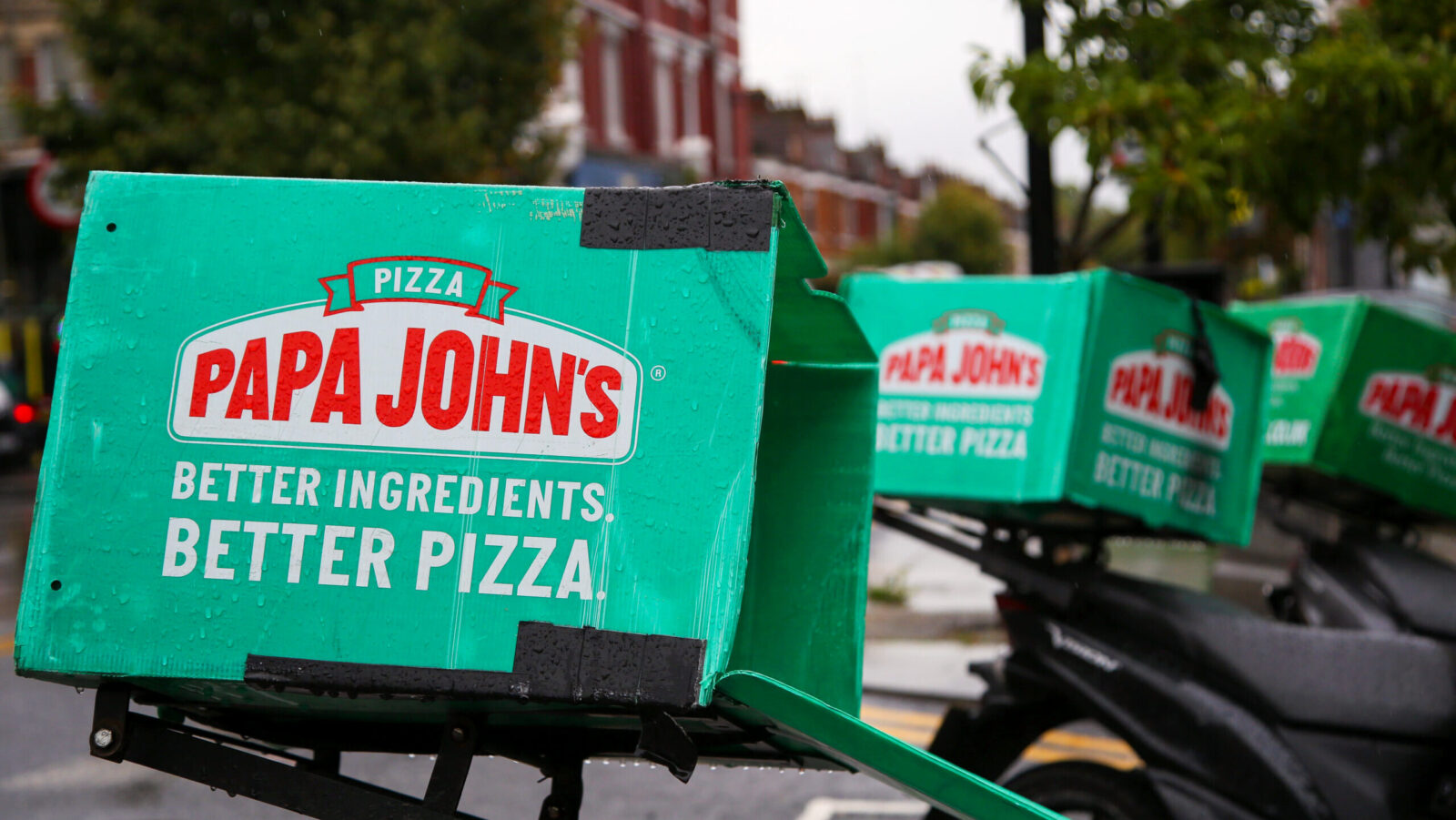
Funds could soon be fighting over the last slice of Papa Johns pizza after a fresh bid reportedly emerged valuing the garlic dip hub at $1.5 billion. Papa Johns CEO Todd Penegor said on Thursday that he wouldn’t comment on “market speculation.”
Irth Capital, a global investment fund backed by the Qatari royal family, renewed its bid to take the pizza company private, The Wall Street Journal reported yesterday. The fund tried to buy the pizza chain alongside Apollo Global Management last year. Despite that deal falling apart, Irth has since upped its share of the company’s stock to 10%.
Papa Johns’ stock surged 19% Wednesday as investors anticipated the potential buyout. Irth’s offer to take the pizza chain private puts a ~50% premium on the company’s shares at $47 apiece.
Losing Dough
Papa Johns went public in 1993 and saw its share price peak at over $140 in 2021, as quarantined homebodies ordered pizza delivery. It has fallen more than 70% in the years since. The company struggled with weak demand, a problem that wasn’t remedied by the string of CEOs who took the helm after its namesake founder left in 2018. (“Papa” John Schnatter stepped down after he used a racial slur in a conference call.)
At the same time, the pizza chain can’t keep its crust from sagging in the marketplace:
- Domino’s Pizza increasingly dominates pizza delivery. The CEO of Domino’s, Russell Weiner, said last month that the pizza chain has eaten up 1% of market share per year for the past 11 years.
- While Domino’s has continued to grow, Papa Johns and Pizza Hut have both seen sales fall for the last two years. Papa Johns said last month it’ll close more than 300 stores by the end of next year, and Pizza Hut said it’ll close 250 this year.
Food Fight: Other suitors could emerge to bid on Papa Johns. Pizza Hut may also be up for grabs soon, with parent Yum! Brands saying last year it was exploring options for the struggling chain. Despite the pizza chains losing customers to Domino’s and its Stuffed Cheesy Bread, both have brand clout and have built delivery networks that could appeal to funds looking to get a slice of the industry.