
Good morning and happy Friday.
In advance of one of Wall Street’s most anticipated initial public offerings, Elon Musk is proving once again that he is his own greatest hedge. Reuters reported Thursday that the world’s richest man is considering allocating as much as 30% of SpaceX’s IPO to retail investors, or roughly three times the typical retail split.
Musk expects his fervent fanbase to drive retail demand and bolster the stock after its debut. We’re not doubting him, but Tesla shareholders may be wondering where all the fanboys have been hiding lately. The electric carmaker is down nearly 17% this year amid struggling sales and increasingly larger bets on robo-taxis and robots. In the parlance of SpaceX, Tesla’s share price is undergoing something of an unscheduled, interminably drawn-out disassembly.
Lawsuit Losing Streak Adds Existential Angst to Meta’s Pivot
The infinite scroll is officially being rebranded as a toxic spill.
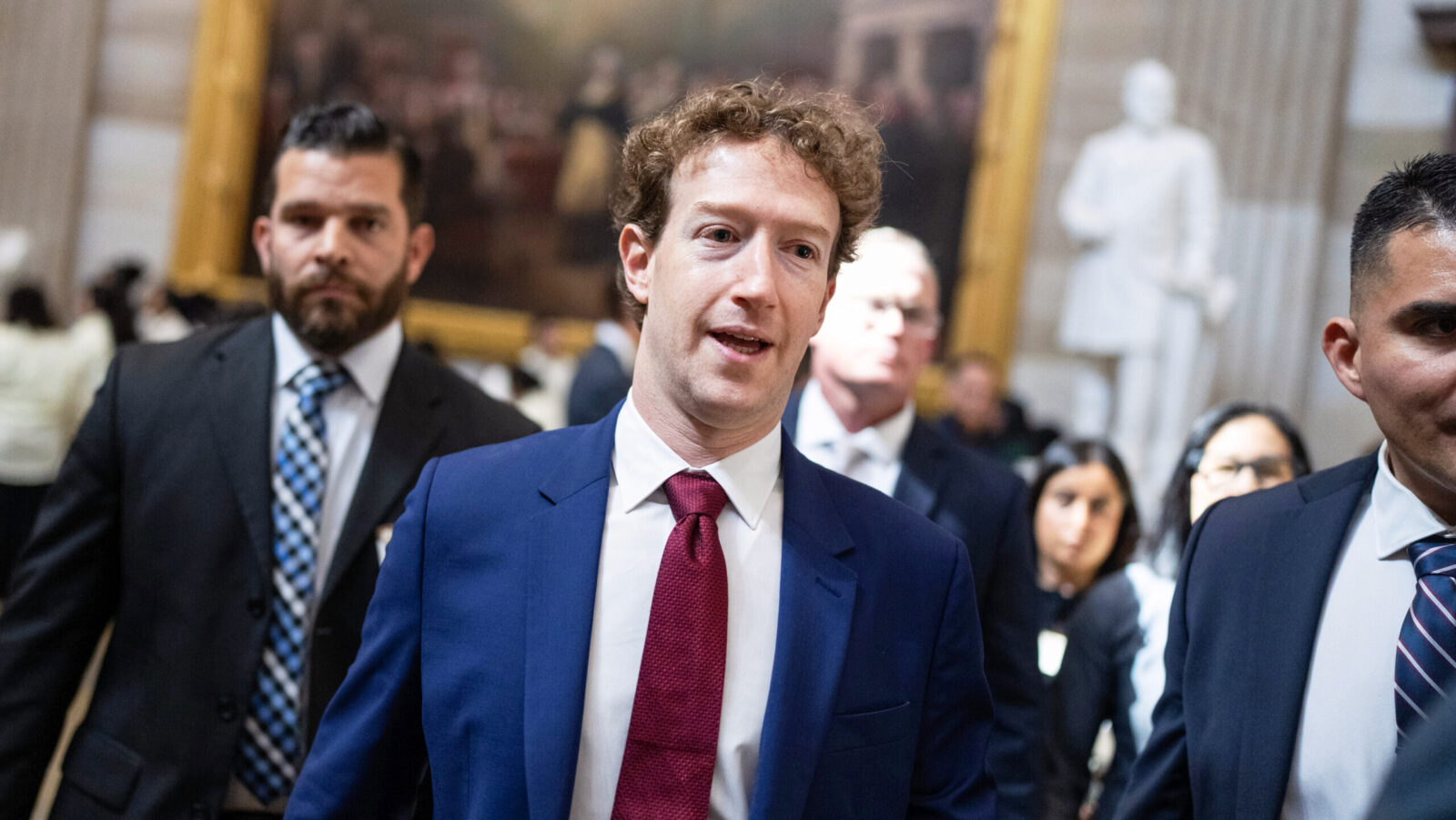
After a pair of landmark lawsuit losses in New Mexico and Los Angeles this week, Meta is suddenly at a crossroads. At the very least, the defeats underscore the importance of the company’s pivot away from social media and toward an AI-driven business model. Not that founder Mark Zuckerberg didn’t already know that.
Change in Status
For over a decade now, tech giants have relied on Section 230 (the statute that shields internet platforms from liability for the content that users post and share) to overcome courtroom challenges. Plaintiffs in the recent cases, however, sidestepped the legal shield by pegging accountability to platform design, not content. In New Mexico, a jury found that the company’s failure to notify users about safety concerns on its platforms violated a state consumer protection law. In the Los Angeles case, the jury found that Meta, along with YouTube, was negligent in deploying features that fed social media addiction.
The LA case precedes thousands of other lawsuits already filed by teenagers, parents, school districts and state prosecutors that similarly define their cases around allegations of personal injury. Many are expected to go to trial this year, and they now have a roadmap for success. For Meta, that’s enough to give a molehill an ominous resemblance to a mountain:
- The company was ordered to pay $4.2 million in damages in the LA case (on top of $375 million in the New Mexico case). That’s pennies compared with Meta’s earnings, though multiplied thousands of times over, it could become an annoyingly large expense.
- The case “establishes a framework for how similar cases across the country will be evaluated and demonstrates that juries are willing to hold technology companies accountable when the evidence shows foreseeable harm,” Matt Bergman, founding attorney of the Social Media Victims Law Center, told NBC News this week.
“If the ruling stands, Meta’s board is on notice that there are significant design problems with the company’s system,” Stavros Gardinis, faculty director of the UC Berkeley Center for Law and Business, told The Daily Upside. “It will have to explore alternative strategies and choose pathways that do not violate the law, steering clear of design features seen as problematic.”
New Profile Pic: Shares of Meta plummeted 8% Thursday as investors digested the implications of the court losses. In turn, Meta’s AI plans look as critical as ever, though Gardinis noted this “opens a new can of worms.” Meta, however, is pushing ahead. The company announced Thursday that it’s increasing its spending on an El Paso, Texas-based data center from $1.5 billion to $10 billion, or roughly the equivalent of 2,381 LA trial-sized personal injury payouts.
Your Sleep System Needs an Upgrade
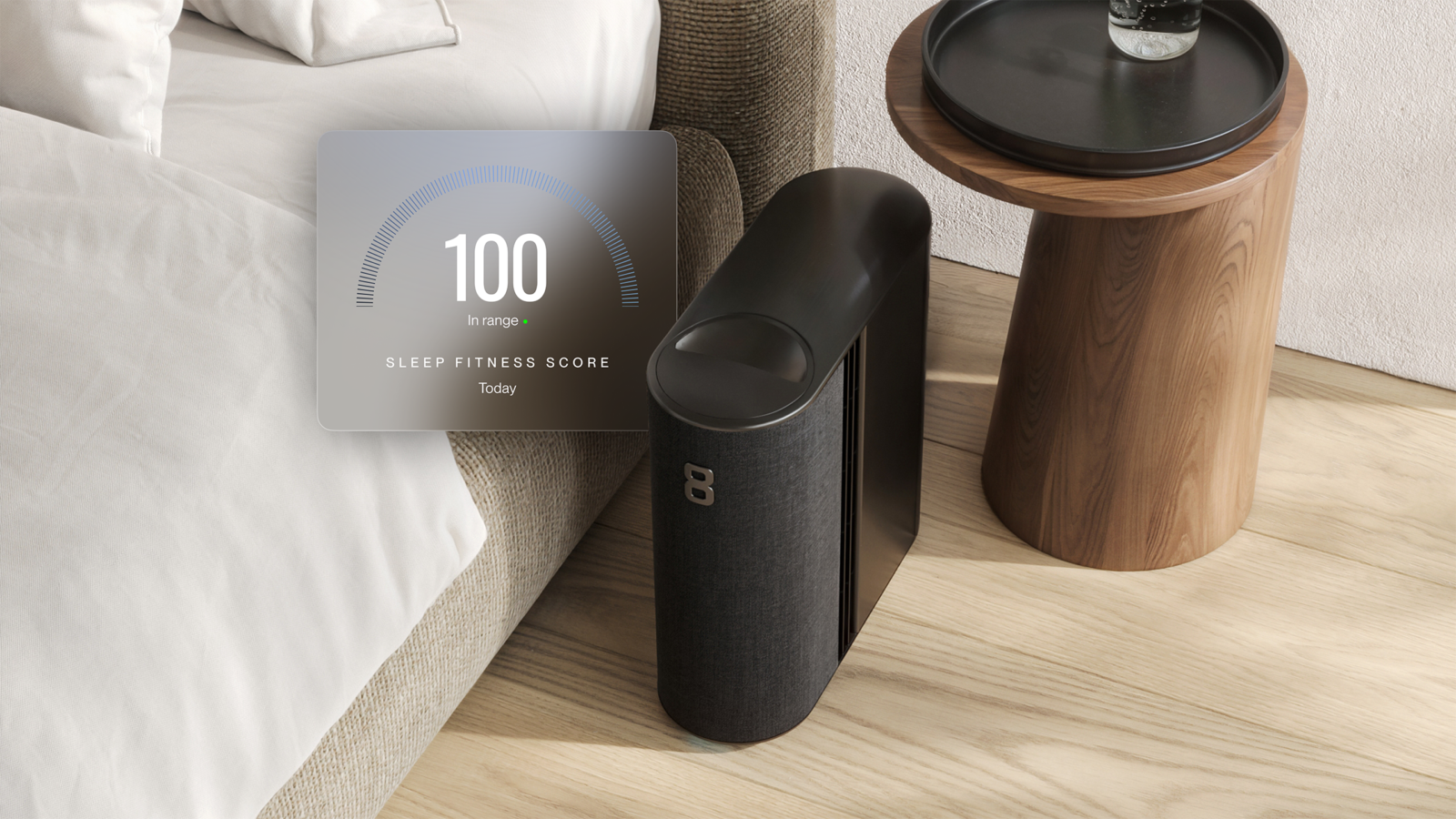
You track workouts, nutrition and recovery. But sleep powers everything. Eight Sleep’s Pod automatically heats or cools your bed all night using Autopilot, the AI behind the Pod — trained on insights from over 1 billion hours of sleep data. Get up to $350 off the Pod with code UPSIDE.*
Trump Meets with Farmers as Soaring Fuel, Fertilizer Prices Strain Food Supply Chain
The “Hormuz Surcharge” is finally moving from the gas pump to the grocery aisle.
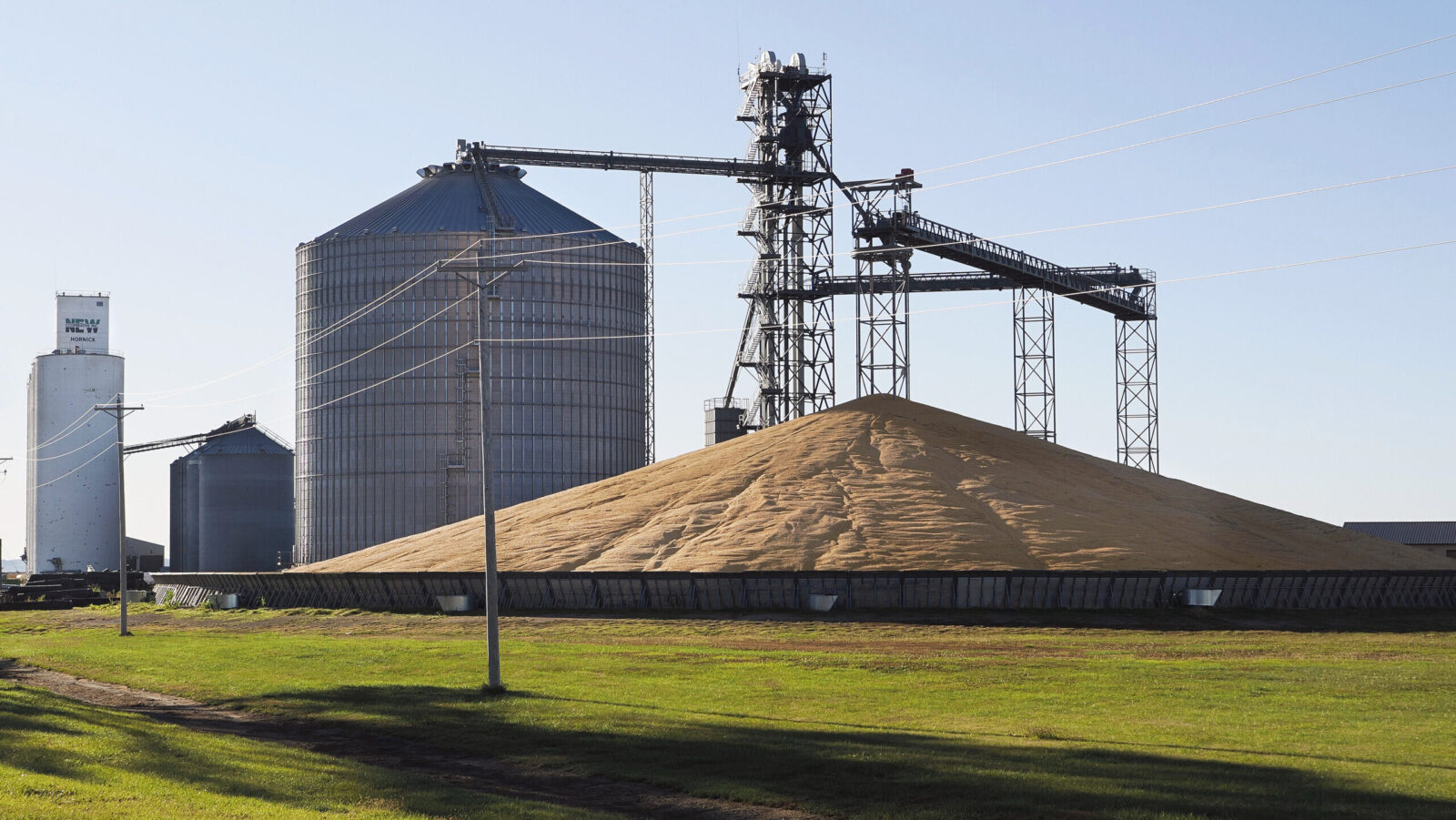
Industry representatives are warning that unexpected supply chain disruptions and skyrocketing costs stemming from the Iran conflict are causing pain across the food supply chain. President Donald Trump says measures to help farmers will be announced today.
Strait Talk
Life was tough enough for farmers last year, when they suffered a 46% increase in Chapter 12 bankruptcy filings amid tariff disruption. The US announced a $12 billion bailout program in December, and the USDA estimates net farm income this year will be down roughly a quarter from 2022.
All this was before the United States and Israel attacked Iran in February, which spurred a de facto Iranian blockade of the Strait of Hormuz. With 20% of the world’s oil traversing the strait in normal times, diesel prices are up 42% year-over-year, prompting some farms to reassess their operations and others to worry that struggling farms could be pushed “off the cliff.” On Thursday, Trump’s administration announced it would allow the sale of E15 gasoline, which contains ethanol, to lower prices.
But farmers have more problems than fuel: The Persian Gulf is a transit corridor for 34% of the world’s fertilizer. While the US is a significant producer, it still imports roughly a quarter of fertilizer and 18% of vital nitrogen additives. Midwest farmers told the Des Moines Register that they’re already being quoted fertilizer prices that are up 40% from the fall, and one major food producer is warning its own costs could rise:
- “There are three main components of our business that this could impact,” CFO Mark Hall of US-based pork-producing giant Smithfield Foods told an earnings call this week.
- “First, the direct impact of fuel costs, such as diesel. Second, corn prices, which are tightly correlated to the oil markets. Third, the petroleum-derived supplies that we use, such as resin-based packaging.”
Word from Down Under: It could be worse. Take Australia, which relies almost entirely on imports for the nitrogen fertilizer urea. Michael Hampson, CEO of the farming cooperative Norco, said the best-case scenario for the food supply chain is a six- to 12-month disruption. Unless the Hormuz closure is resolved in two to three weeks, he said, “the fallout for this event is going to make Covid look like a tea party.”