

Good morning.
As the Middle East braces for impact, the world’s largest prediction markets are turning geopolitical conflict into a decca-million-dollar casino. One account trading under the name “Magamyman” scored $553,000 over the weekend after accurately betting that Iranian Supreme Leader Ayatollah Ali Khamenei would soon be out of power. Like a similar case earlier this year, in which one user scored big after placing timely bets on the removal of Venezuelan leader Nicolás Maduro, the latest score highlights the possibility of insider trading on prediction platforms. Who could have guessed?
That isn’t stopping rivals from wanting to get into the business. Nasdaq on Monday began seeking approval from the Securities and Exchange Commission to launch an event predictions market, a la Polymarket and Kalshi. The move is hardly surprising given the medium’s incalculable rise: Total notional trading volume across all platforms amounted to just $100 million in the early months of 2024, before exploding to more than $13 billion by November of last year, according to Bloomberg. Maybe conflict is the new crypto.
Iran War Turns Middle Eastern Tourist Hot Spots into Strike Zones

The post-pandemic Middle East travel boom is a casualty of war.
Shares of Western travel firms plummeted on Monday as Iranian counterattacks to US and Israeli strikes targeted Dubai, Abu Dhabi and beyond. The sudden outbreak of armed conflict trapped travelers, marking a major setback to efforts to transform the region into a global tourism hotspot.
No Longer a Safe Zone
Some 90% of the scheduled flights from Dubai and more than 50% of flights out of Abu Dhabi were canceled as of Monday evening, according to FlightAware. For trapped tourists, the reality on the ground has been harrowing. Passengers on a German cruise ship, for example, narrowly missed being struck by an Iranian cruise missile while docked in the harbour of Abu Dhabi, according to reports. Four people were injured at the five-star Fairmont The Palm hotel in Dubai when Iranian drone counter-strikes set the building ablaze. Abu Dhabi’s major airport was hit by a drone, too, an attack that killed one and injured several others, according to reports.
“This is Dubai’s ultimate nightmare as its very essence depended on being a safe oasis in a troubled region. There might be a way to be resilient but there is no going back,” Dr. Cinzia Bianco, Gulf relations expert at the European Council on Foreign Relations, posted on X.
It’s a nightmare shared by a handful of particularly exposed Western firms:
- Shares of Norwegian Cruise Lines tumbled more than 10% on Monday as violence continued, making it the second-worst performer in the S&P 500. Meanwhile, shares of Carnival fell more than 7%, and shares of Royal Caribbean dropped more than 3%.
- Shares of Marriott slid more than 3%. Just last week, the hotel giant said that Saudi Arabia and the United Arab Emirates accounted for two of its five fastest-growing markets, and reported an “exceptional year of growth” for the broader Europe, Middle East and Africa (EMEA) markets in 2025.
Escape Plan: According to reports, residents of Dubai have begun driving to neighboring countries such as Oman and Saudi Arabia, where the skies remain a little more open for now. Meanwhile, in lieu of commercial options, a more upscale crowd is chartering private jets to escape the chaos. According to a Financial Times report, private jet operator Luxe Jets has chartered an A320 to take passengers from Oman to Istanbul. Another private jet operator told the FT that fares for a 13-passenger private flight from Oman to Paris are running as high as €215,000.
7 Ways to Take Control of Your Legacy

Planning your estate might not sound like the most exciting thing on your to-do list, but trust us, it’s worth it. And with The Investor’s Guide to Estate Planning, preparing isn’t as daunting as it may seem.
Inside, you’ll find straightforward advice on tackling key documents to clearly spell out your wishes.
Plus, there’s help for having those all-important family conversations about your financial legacy to make sure everyone’s on the same page (and avoid negative future surprises).
Why leave things to chance when you can take control? Explore ways to start, review or refine your estate plan today with The Investor’s Guide to Estate Planning.
New Berkshire CEO Embraces Buffett’s Focus on Long-Term Value Amid Lackluster Earnings
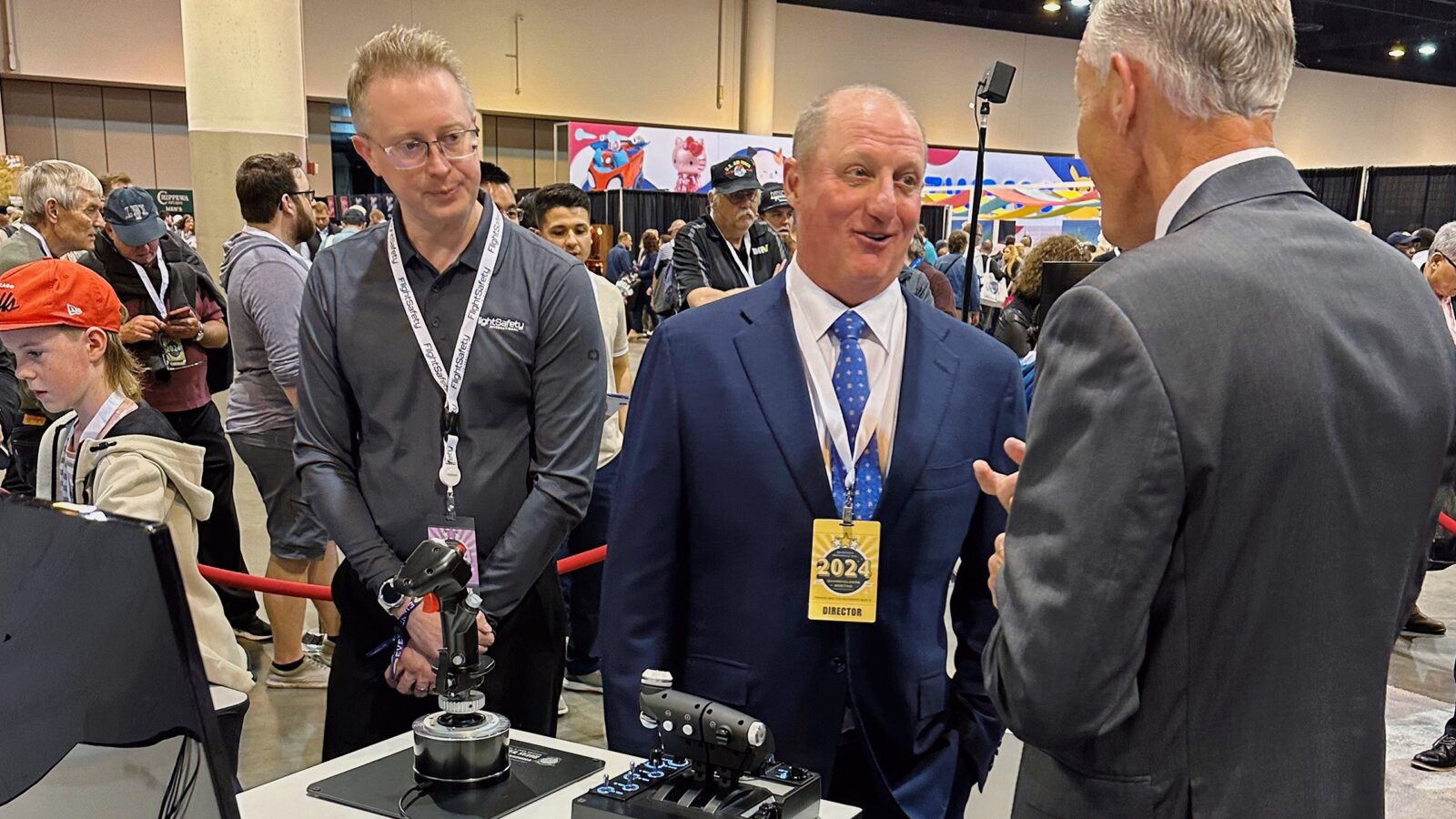
Warren Buffett’s final year at the helm of Berkshire Hathaway is in the books. The 95-year-old’s successor says there’s more where that came from.
Greg Abel, who took over at the start of the year, promised shareholders in his first letter as CEO that the disciplined, value-focused culture built by his predecessor is as solid as an upturned Dairy Queen Blizzard. But Berkshire shares, which have lagged the S&P 500 for the past 12 months, fell 4.9% on Monday, as results from Buffett’s final quarter underwhelmed.
Handing Over the “Elephant Gun”
Berkshire’s full-year operating earnings, the company’s preferred profitability metric because it strips out investments and highlights core businesses, declined to $44.5 billion last year from $47.4 billion in 2024. The main reason was its insurance businesses, where underwriting profits fell nearly 20% to $7.3 billion and insurance investment income dipped 8% to $12.5 billion. Underwriting profits have softened across the industry amid increased competition in the property and casualty markets. “This likely means we will write less property and casualty business for a period of time,” Abel wrote.
There’s no doubt that Berkshire’s Abel era has prompted apprehension about the $1 trillion giant. After the old boss announced his retirement, analysts attributed a decline in shares to the end of the so-called Buffett premium, the term for investors’ willingness to fork over more cash knowing they were in the hands of a Wall Street legend. Abel assured investors in his letter that Berkshire won’t materially change the way it operates and invests as he wields his predecessor’s onetime favorite weapon:
- Berkshire is sitting on a near-record $373 billion of cash, which Buffett nicknamed the company’s “elephant gun” because it guaranteed the capacity to make big acquisitions or investments.
- Meanwhile, Berkshire’s energy, railroads, utilities, manufacturing, insurance and retail companies are relatively insulated from the AI fears that have roiled markets. So are its investment holdings in Occidental Petroleum (up 30% this year), Chevron (up 23%), and Coca-Cola (up 14.7%).
Literary Ambitions: It wouldn’t be a Berkshire shareholder letter if it didn’t have a smattering of folksy charm. While Abel’s letter played things straighter than Buffett’s missives, the new CEO noted that his old boss, who remains chairman, took inspiration from Ted Williams, arguably baseball’s greatest-ever hitter for his discipline in swinging only at pitches in a “happy zone.” Williams is second only to Babe Ruth in career slugging percentage, so that doesn’t rule out big swings.