

Good morning.
A TikTok deal is almost sealed. You’ve heard it a million times, but this time it seems kind of serious. US trade representative Jamieson Greer said Monday that Washington and Beijing have struck a framework agreement to transfer the short form social media app, currently a subsidiary of Chinese tech firm Bytedance, to US-controlled ownership. Chinese trade negotiator Li Chenggang also confirmed the news.
What officials didn’t say was who TikTok’s new owner will be. Many expect a group led by Oracle executive chair Larry Ellison to take the reins. Shares in his company — which has hosted TikTok’s US user data since 2020 — jumped 3% on the speculation, as if they needed any help after their AI-fueled rocket ride. Also unclear is whether the new US ownership will take control of TikTok’s prized algorithm, which could lead to a crisis of bored teenagers on public buses. And does the US government get 10%? What about our stake?
What To Expect After The Fed Cuts Rates
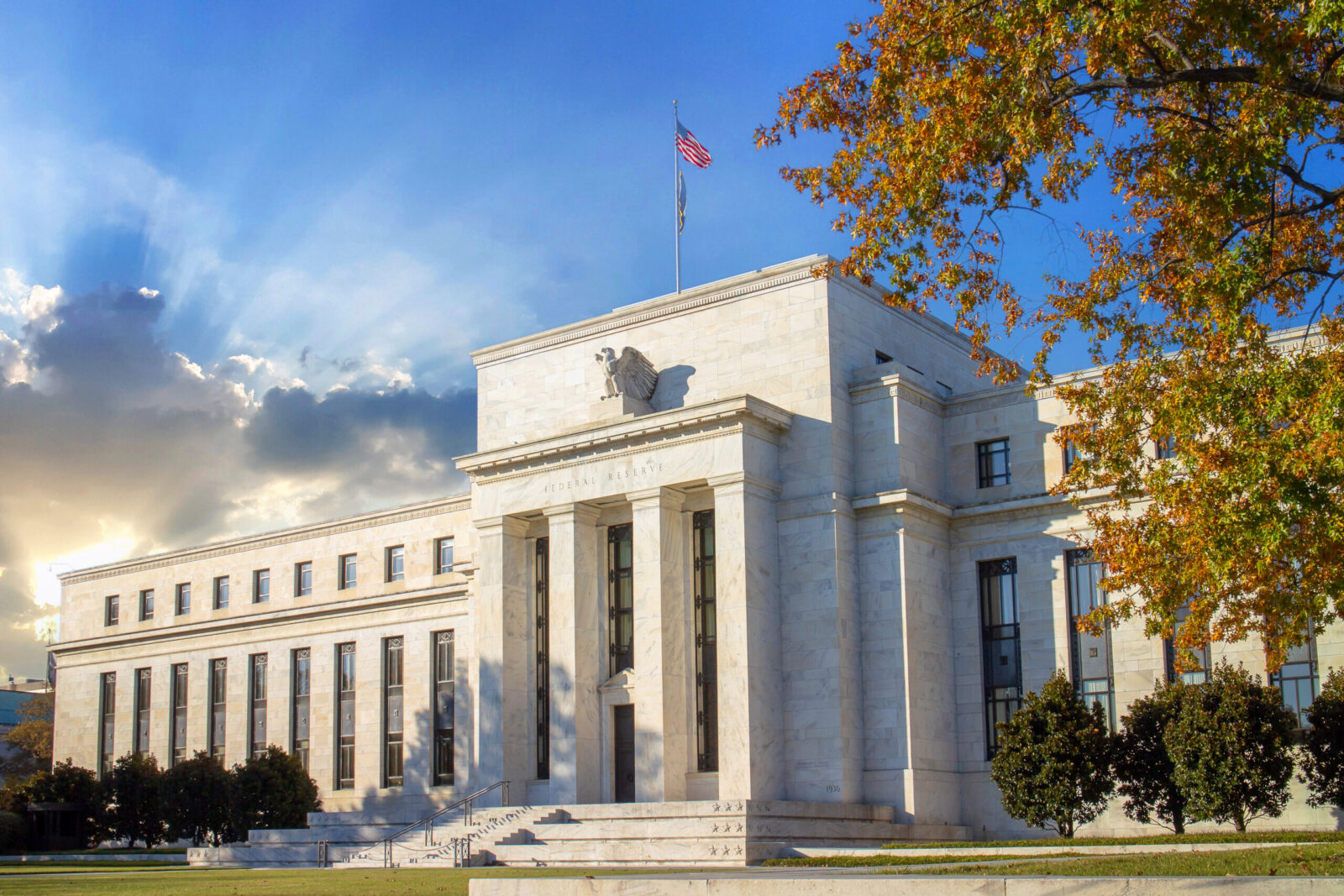
Has there ever been an interest rate cut with such a long, dramatic, scrutinized gestation period? No matter, Wall Street is already thinking, what have you done for me lately?
The Federal Reserve reconvenes today for what may just be the most loaded, and consequential, central bank meeting in modern history. A quarter-point slash is now all but certain to be announced tomorrow — and indeed Fed Chairman Jerome Powell has hinted as much since the group’s last meeting in July. But is the seemingly never-ending era of “higher-for-longer” truly over? Or is there an even more fraught period of monetary policy to come?
A Two-Front War
To be clear: conventional wisdom says that this week’s rate cut (a 96% certainty as of Monday, according to CME’s FedWatch tool) is just the first step in a prolonged rate-slashing campaign. Traders are roughly 70% certain of another quarter-point cut at each of the Fed’s remaining meetings this year, in October and December, per FedWatch. Meanwhile, Goldman Sachs analysts are pricing in two more for 2026, while Morgan Stanley analysts are penciling in three cuts next year — in January, April, and July.
Recent data shows the labor market is cooling even faster than previously thought. Meanwhile, Wall Street traders don’t just see cuts as a way to stave off a recession, but as fuel for an economic resurgence — The Wall Street Journal dubbed it the “run-it-hot” trade on Monday, as equities continue to notch new records.
Still, not everyone is as optimistic — and, as per usual, Fed Chairman Jerome Powell may soon again find himself between a rock and a hard place:
- Data released from the US Labor Department last week showed that inflation increased 2.9% year-over-year in August, or the highest reading since January, and 0.4% month-over-month. Both metrics marked an acceleration from the month before, and evidence suggests consumers are just starting to feel the tip of the spear of tariff-induced inflation.
- “[The Fed] will not be cutting because we have good news on inflation. They’ll be cutting because we have bad news on employment,” Claudia Sahm, New Century Advisors chief economist and a former Federal Reserve Board economist, told Yahoo Finance.
Three’s Company: Future fed meetings will likely remain contentious. If all goes according to plan and paperwork gets filed quickly, the White House’s Fed board of governors nominee Stephen Miran — who received senate approval on Monday — may join the central bank’s meeting today. Miran is expected to push for a more hawkish half-point cut, in-line with the White House’s preferences. That also means Powell may soon be managing a Fed board that isn’t just divided — but divided three different ways: fast-cutters, slow-and-steady cutters, and wait-and-seers. Nor does anyone expect the Greek chorus in Washington that’s been hounding him to stop anytime soon.
Former Zillow Exec Opens Door To $1.3T Market

Austin Allison sold his first company for $120M. He later served as an executive for Zillow. But both companies reached massive valuations before regular people could invest.
“I always wished everyday investors could have shared in their early success,” Allison later said. So he built Pacaso differently.
Pacaso brings co-ownership to the $1.3T vacation home market, earning $110M+ in gross profit in under 5 years. No wonder the same early investors who backed Uber, Venmo, and eBay already invested in Pacaso. They even reserved the Nasdaq ticker PCSO.
Now, after adding 10 new international destinations, Pacaso is hitting their stride.
And unlike his previous stops, you can invest in Pacaso as a private company. But you don’t have time to waste.
Apple May Still Be a Hitmaker After All
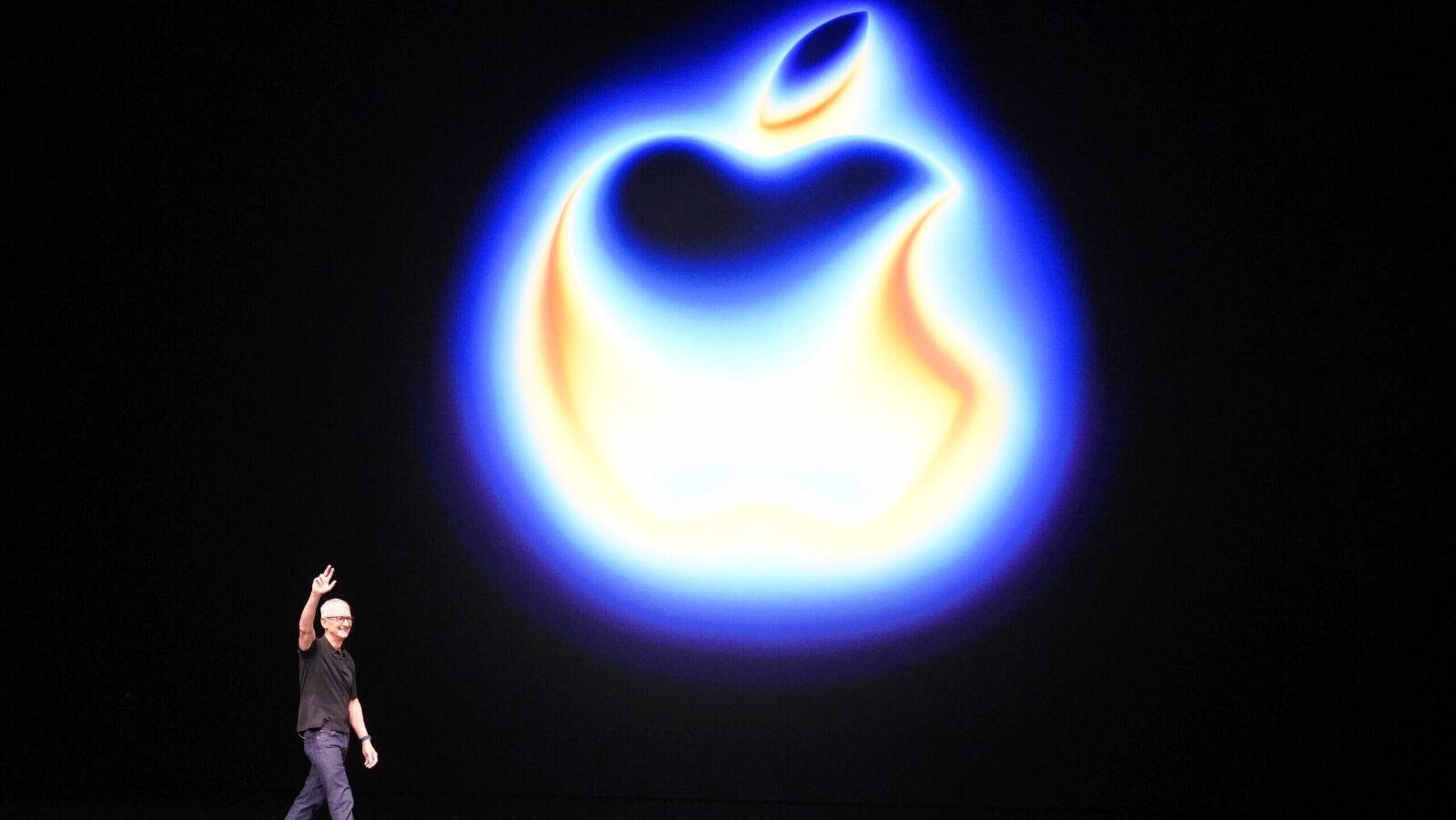
We just had a flashback to … well, every year between 2007 and 2020.
Why? Because Apple may just have a hit on its hands. And, no, we’re not talking about The Studio, the Seth Rogen-led Apple TV+ satire that just had a record breaking night at the Emmys. We’re talking hardware. Early preorder data shows strong demand for the Cupertino company’s iPhone 17 and its ultra-thin Air model, despite both debuting last week to what felt like modest aplomb.
Golden Opportunity
Between tariff troubles and the apparent clutches of the so-called innovator’s dilemma, Apple’s year of woe needs little recap. Its share price is down just under 3% year-to-date, and two notable analyst downgrades last week looked like a pair of bitter cherries atop a slowly melting $3 trillion sundae.
Now here comes the rebound. An analyst note from JPMorgan published Sunday noted that demand for the new iPhone variants is running ahead of last year’s new models. That concurs with Bank of America analysts who found that the iPhone 17’s ship dates — often a proxy for demand — are the highest for any model since the iPhone 11. The early indicators have been enough to trigger a notable phenomenon for Apple’s share price:
- Apple stock climbed more than 1% Monday, officially putting it into “Golden Cross” territory, according to a Barron’s analysis. That’s when an asset or an index’s 50-day moving average climbs ahead of its 200-day moving average, typically indicating a bull run to come.
- Apple is proof of the golden cross phenomenon. Through its company history, Apple stock has averaged a 9% gain over six months following a golden cross moment, and a more than 18% gain over an entire year, according to Dow Jones market data seen by Barron’s.
Fourth Year’s the Charm: So what’s behind the resurgent iPhone demand? A full one-fifth of the world’s 1.5 billion iPhone users haven’t upgraded their devices in at least four years, according to estimates from WedBush Securities analyst Dan Ives — making 2025 ripe for a massive upgrade cycle. No wonder we’ve started to notice our phones slowing down.