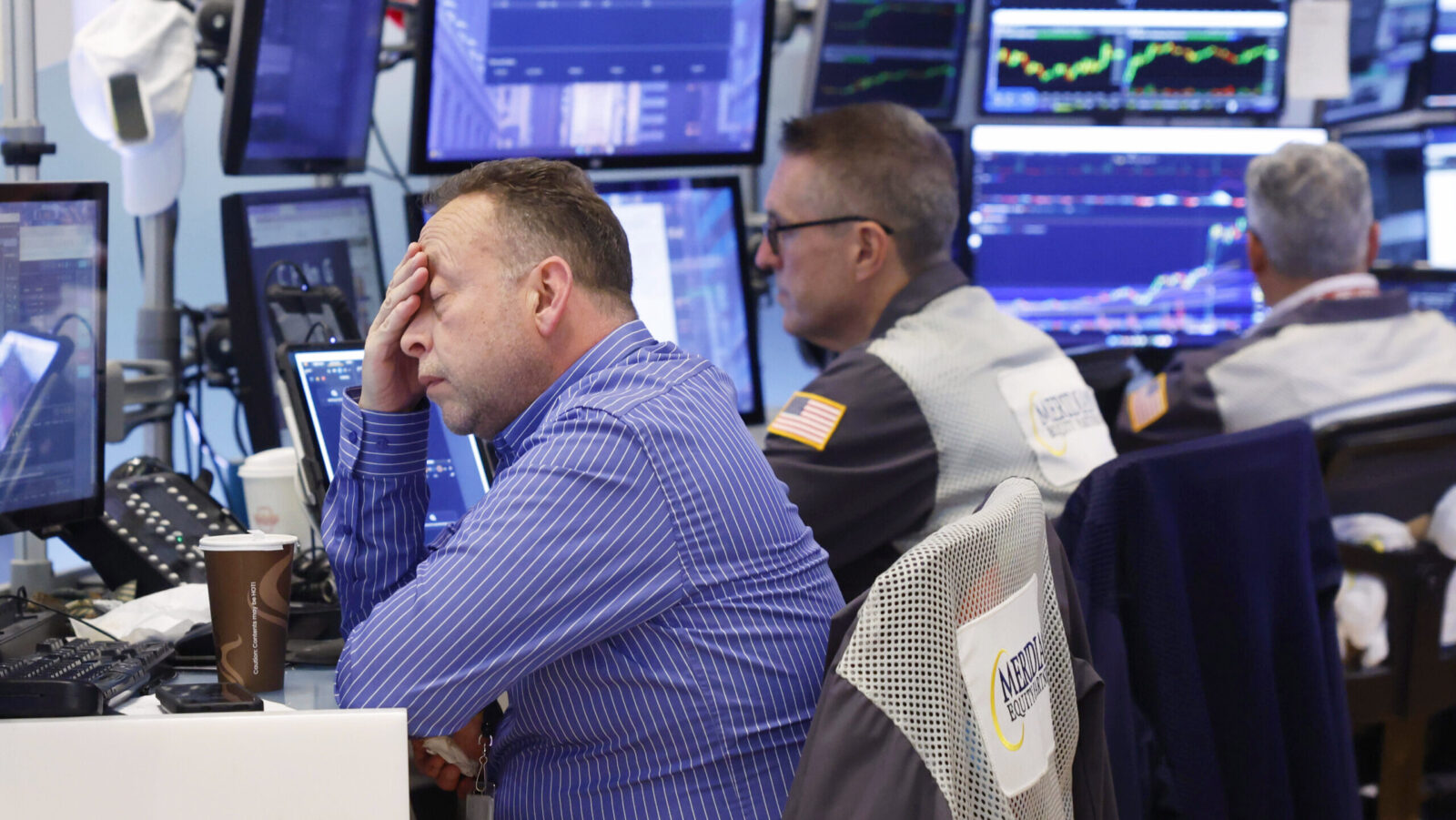
Higher income from trading and assets under management helped the big firms’ profits soar during the first quarter.
Our daily email brings you smart and engaging news and analysis on the biggest stories in business and finance. For free.

CEO Jane Fraser, who took over in 2021, has won plaudits for executing a multi-year reordering of the bank’s sprawling global structure.
The fixed-income, currencies and commodities business generated revenue of just $4 billion in Q1, a 10% decrease from a year ago.
A record year for Wall Street bonuses is driving real estate investment, from luxury coastal property to workforce housing in the heartland.
Ongoing armed conflict in Ukraine and Iran, Dimon wrote, have him concerned about an economic “skunk at the party.”
The bank says it will increase access to capital, advice and training for 10 million small businesses, up from the 7 million it serves today.
The grid is already being tested by the massive demand for data centers to support the artificial intelligence boom.
The majority will provide liquidity to early shareholders instead of going directly to GeoWealth’s balance sheet.
Can Nvidia respond to the rapid rise of agentic AI, which has its own hardware needs, relying heavily on the general computing power of CPUs.
Most of JPMorgan’s big banking peers don’t have NAV loan agreements that let them proactively revalue assets.
The iShares Global Clean Energy ETF jumped more than 5% last week, exceeding the oil-and-gas-focused Vanguard Energy ETF’s 1.3% gain.
Shares of major private-credit lenders are down significantly this year: Apollo has lost 26%, KKR 31%, Blackstone 30%, and Ares 35%.
For mid-sized firms largely lack the ability to dictate trade terms or shuffle their supply chains, making tarriffs a major pain.
Credit card issuers are enticing big spenders with luxurious perks and prestige brands, funded in part by fees that are higher than ever.
Wealth managers will need to be ready for client questions about gold, particularly from those worried about geopolitical risk.
2026 presents a catch-22 for the Fed. It normally cuts rates to buoy hiring, which tightened last year, but that could drive up inflation.