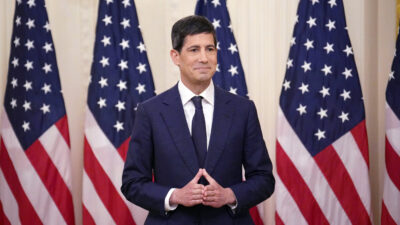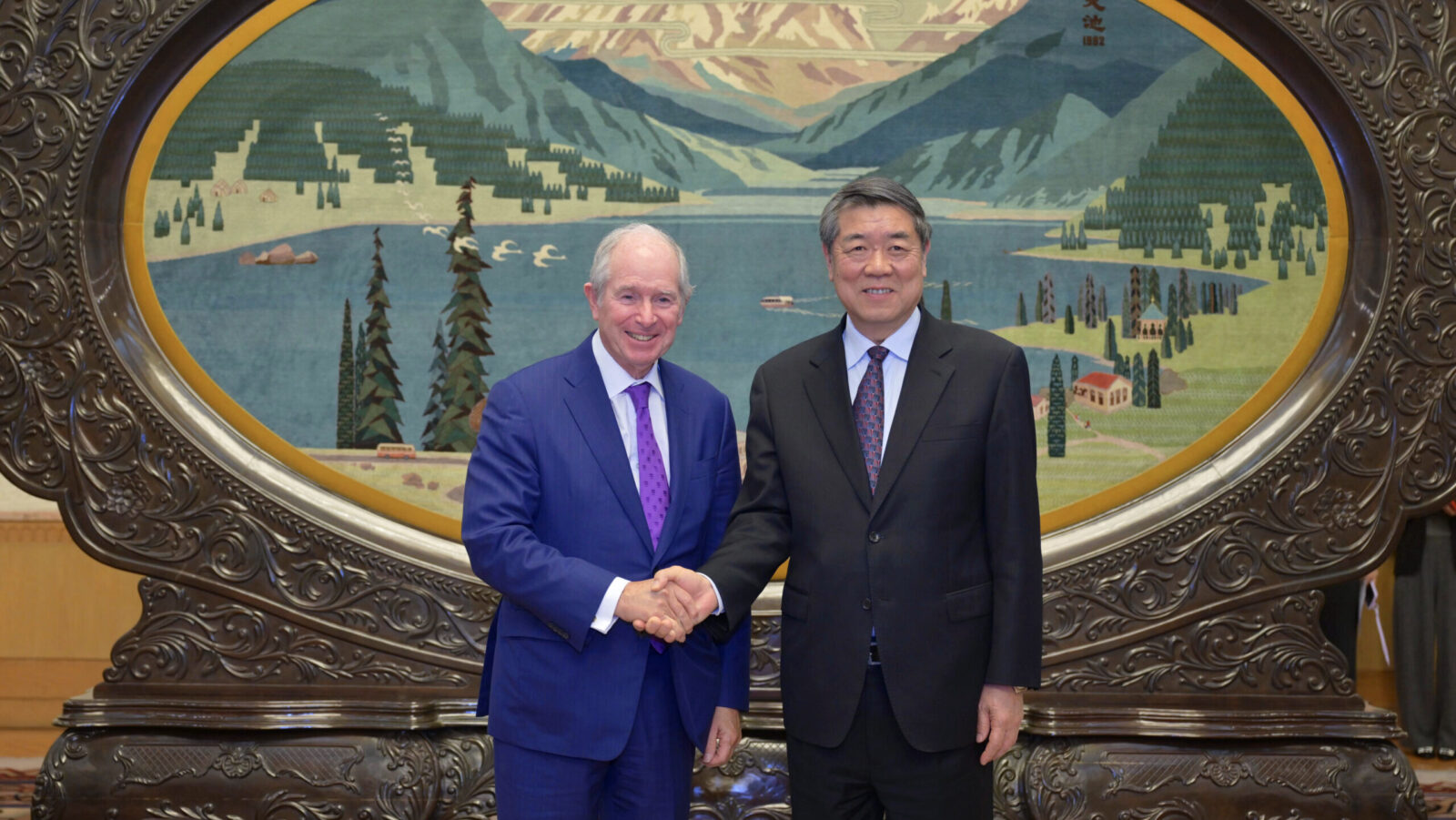
Goldman Sachs CEO David Solomon and Morgan Stanley CEO Ted Pick warned of an equities drawdown on Tuesday at a summit in Hong Kong.
Our daily email brings you smart and engaging news and analysis on the biggest stories in business and finance. For free.

Metsera on Tuesday called Novo Nordisk’s new $10 billion offer “superior” to rival Pfizer’s bid of $8 billion.
The company has been one of the top beneficiaries of Trump administration policies, with US revenue climbing 68% year-over-year in Q2.
Still in the “early innings of its growth story,” Robinhood has morphed from an app with crowdsourced stock advice to a financial ecosystem.
Even though execs have mixed feelings about artificial intelligence, it’s still replacing workers. Is the tech ready for the jobs it’s doing?
Life is notoriously tough for those on the bottom rung of the Wall Street ladder, where weeks can stretch up to 100 hours.
Disclosures by two regional lenders last week set off a mini-panic about bad loans on the books of small and medium cap banks.
Respondents in Bank of America’s October Global Fund Manager Survey cited an AI bubble as the biggest tail risk facing the global economy.
The gold standard hasn’t made a comeback, but the precious metal’s price is breaking records as confidence in the US dollar fades.
Brian Chess, SVP of AI at Oracle NetSuite, talks to CIO Upside about using AI in a way that serves your organization.
AI can always write for you, but it’s not always right. That’s why JPMorgan wants to double-check its LLM’s homework.
Tech stocks, among the most vulnerable to souring US-China trade relations with China, led Friday’s sell-off.
While 78% of organizations say they fully trust AI, only 40% of them invest in ethics frameworks, according to SAS research.
The company is seeking to patent a system that would use machine learning models to automate the way cybersecurity teams respond to and investigate cyber threats.
In the late 1990s, there were roughly 8,000 US companies traded on stock exchanges. Today, estimates say it’s about half of that.
Fitting for 2025, a government shutdown is all but guaranteed to deliver even more uncertainty into the macroeconomic mix.