Molasses-Like Jobs Growth Not Enough to Trump Fed’s Rate-Cut Inertia
Hiring in January was not just slower than expected, according to ADP. It was way, way, way slower than expected.
Sign up for smart news, insights, and analysis on the biggest financial stories of the day.

Wednesday was data déjà vu day. New employment numbers from payments processor ADP suggest the US labor market started 2026 the same way it ended 2025: in a “low-hire, low-fire” environment where companies are holding on to their employees like cherished collectibles but reluctant to add to their ranks.
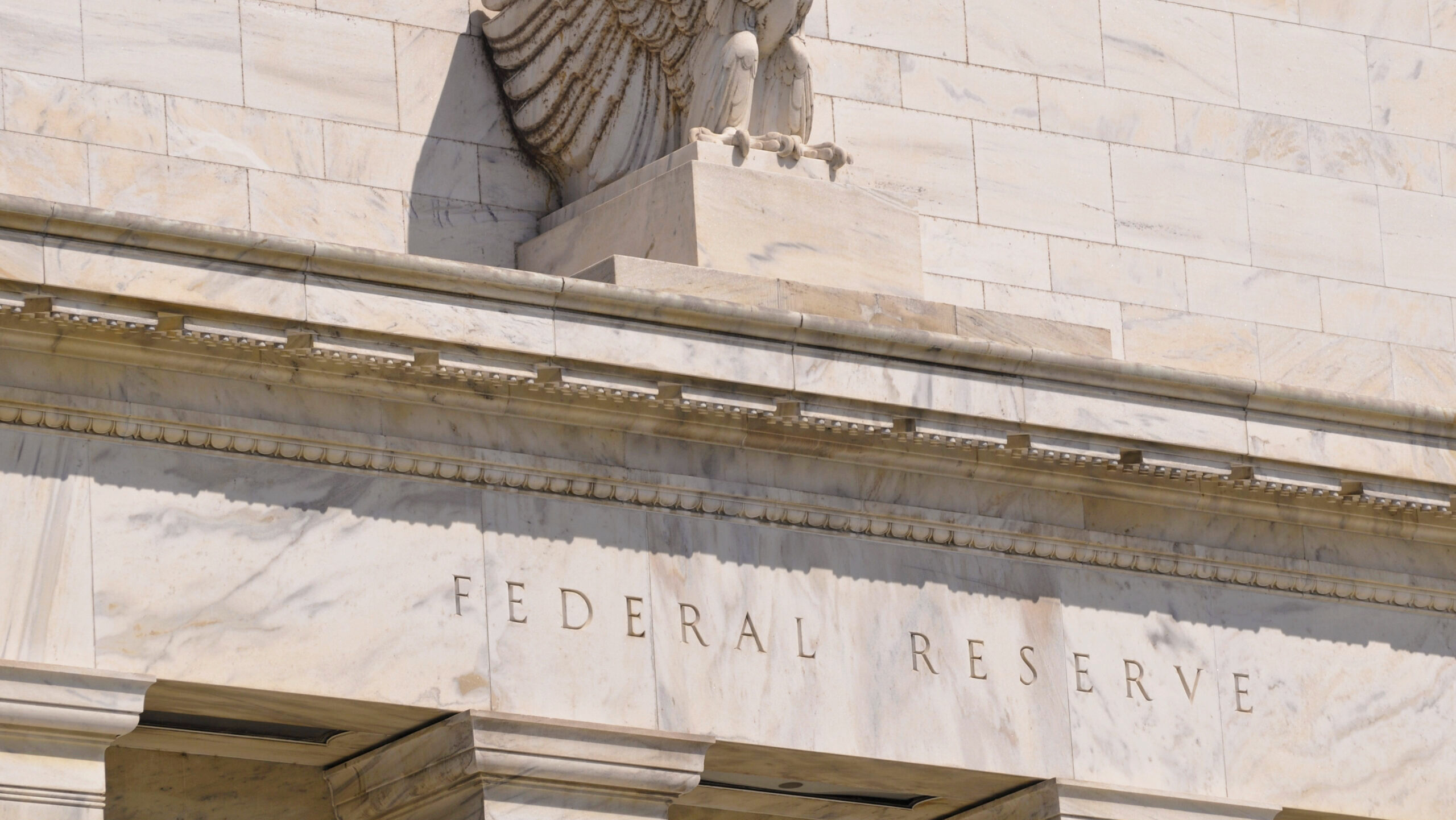
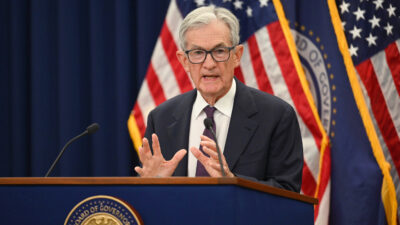
While weaker jobs data often fuels calls for interest rate cuts at the Federal Reserve, Wednesday’s figures are unlikely to move the needle as the central bank prepares for a new chair when Jerome Powell’s term ends in May.
Fed Up with Work
Hiring in January was not just slower than expected, according to ADP. It was way slower. Private employers added just 22,000 jobs, fewer than half the 45,000 forecast by economists. The number of jobs added in December was trimmed to 37,000.
Manufacturing, in particular, is approaching a potentially gloomy two-year anniversary: The sector has posted job declines in every month since March 2024. It fell by 8,000 positions last month. The education and health sectors, which added 74,000 jobs, did the bulk of the heavy lifting to offset weaker areas, like professional and business services, which lost 57,000 jobs. “[Hiring has] been almost exclusive to healthcare services and a little bit of leisure and hospitality,” ADP Chief Economist Nela Richardson told CNBC. “It is following the consumer right now; it is not following technology to the same extent.”
Which is to say the AI trade, which has powered the stock market in recent years, does not seem to be fueling job growth, even as GDP, unemployment and wages remain solid. With sticky inflation spurring the Fed to keep interest rates higher, a stable labor market offers scant incentive to lower them. President Donald Trump, who wants to see rates cut substantially to buoy growth, told NBC News on Wednesday that he “would not” have tapped finance veteran Kevin Warsh as Powell’s successor if he expressed a desire to raise them. But analysts said it will take more than the latest slowing numbers to motivate policymakers:
- “The ADP report alone won’t be enough to sway Fed policymakers or alter interest rate expectations — nor should it,” wrote eToro analyst Bret Kenwell. “But if the [Bureau of Labor Statistics’] January jobs report shows a similar dynamic, it should, at a minimum, help keep the Fed from adopting an overly restrictive stance.”
- The Fed is still widely expected to leave rates unchanged at its next monetary policy meeting, with markets placing 90% odds on that outcome, according to CME’s Fedwatch.
Only Kidding? Trump joked over the weekend that he will sue Warsh if he doesn’t deliver interest rate cuts as Fed chair. And while Warsh criticized the Fed as he auditioned for the role, he was known as an inflation hawk during his tenure on the central bank’s board from 2006 to 2011. Now, if nothing changes on the Fed’s economic gauges, he may find himself staring across the table at other policymakers who have adopted his old habits.
Recent News

-

Photo via Chen Mengtong/China News Service/VCG/Newscom



-
The Taxman Still Cometh, But May Take Away Less

Photo illustration by Connor Lin / The Daily Upside