Shock After Shock: Fed Fears Iran War May Fuel Higher Inflation
The Bureau of Labor Statistics said Wednesday that the producer price index rose 0.7% month-over-month in February, higher than expected.
Sign up for smart news, insights, and analysis on the biggest financial stories of the day.

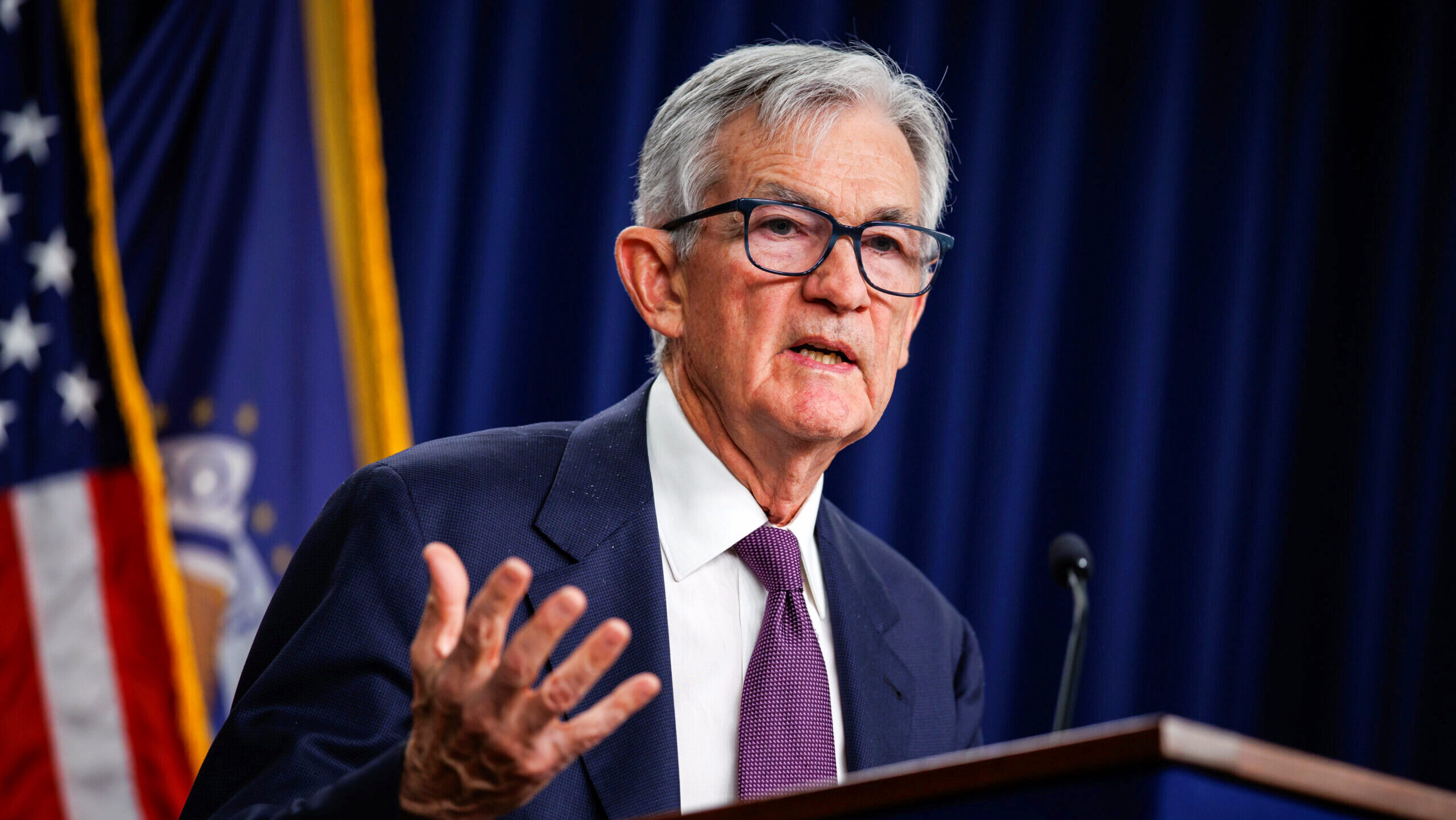
“We had the tariff shock, we had the pandemic, and now we have an energy shock.” Those were the words of Federal Reserve Chair Jerome Powell on Wednesday, underscoring how his term hasn’t exactly been a boring one.
With his tenure as chair due to expire in May, it doesn’t seem destined to end on a humdrum note, either. Powell, who plans to stay in the role until a successor is confirmed, bemoaned “frustrating” high services inflation and worried that conflict in the Persian Gulf could make matters worse after the central bank’s policymaking committee voted 11-1 to hold the benchmark interest rate between 3.5% and 3.75%.
Higher Cost of Doing Business
Powell’s Fed has worked aggressively since 2022 to reduce inflation to the central bank’s 2% target. In the past year, officials have also had to perform a delicate dance, balancing inflationary concerns with softening labor-market conditions.
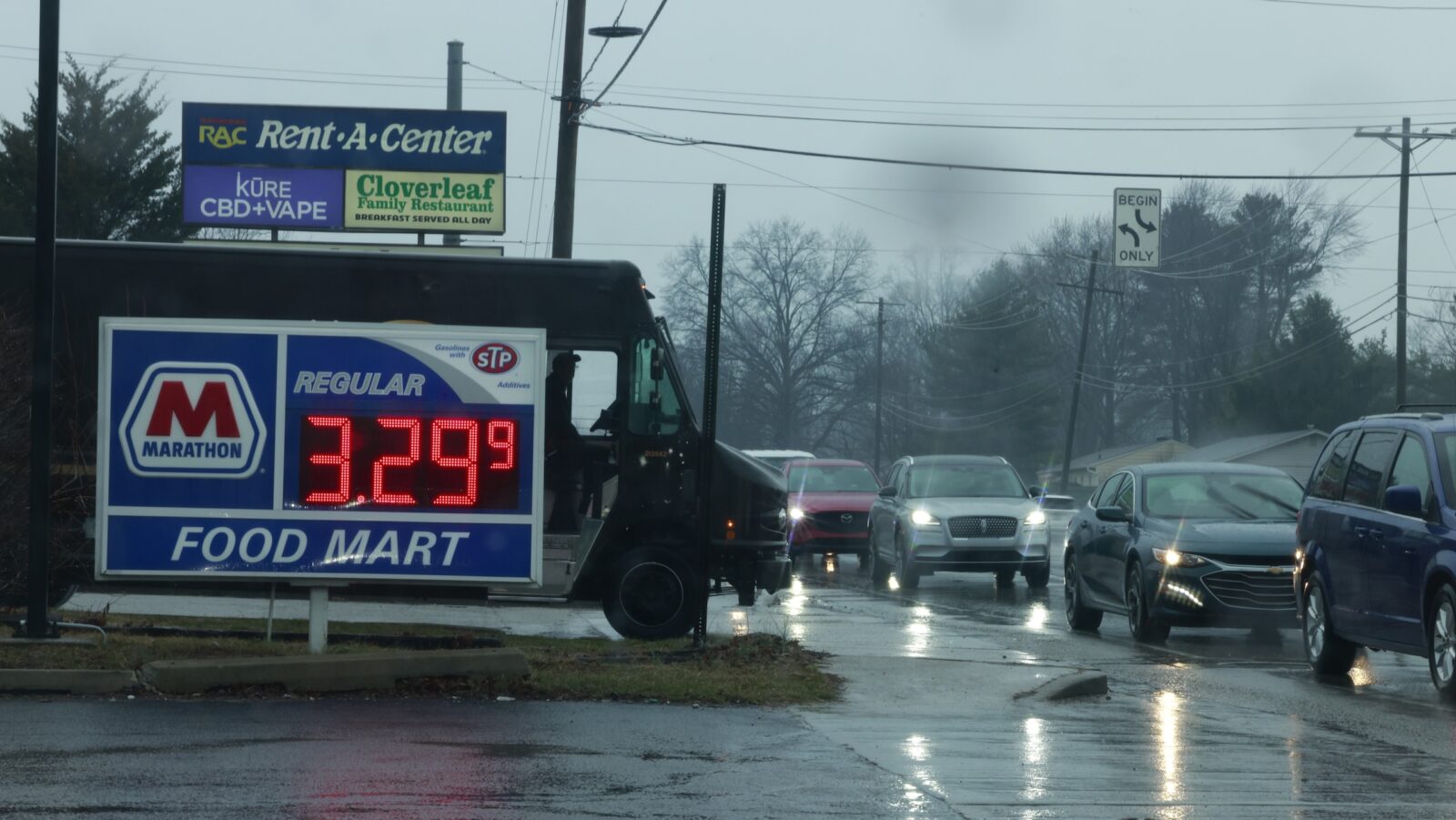
War, meanwhile, is not delicate. Since the US and Israel attacked Iran on February 28, oil prices have risen nearly 50% amid Tehran’s de facto blockade of the Strait of Hormuz. Brent crude futures rose 3.8% on Wednesday to $107.38 per barrel, while the average price of gas hit $3.84 per gallon in the US, the highest since 2023. There are also signs that inflationary pressures were appearing before the war. The latest producer price index reading, which measures inflation at the wholesale level, rose more than expected. The Bureau of Labor Statistics said Wednesday that PPI climbed 0.7% month-over-month in February, or 0.5% with volatile food and energy prices stripped out, both more than the 0.3% economists forecast; on a 12-month basis, the headline index rose 3.4%, the most in a year. Powell, for one, said energy prices will push up inflation in “the near term,” and Fed projections show policymakers are more pessimistic about inflation:
- The median policymaker now expects the personal consumption expenditures price index, the Fed’s preferred inflation gauge, to end the year at 2.7%, up from 2.4% in December.
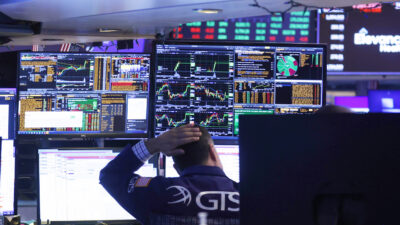
- Powell said the war is “the kind of thing that can cause trouble for inflation expectations,” which sent stocks tumbling.
“The big takeaway from the Fed decision is that the Fed will not be riding to the economy’s rescue, even if gas and diesel prices keep rising,” said Comerica Bank Chief Economist Bill Adams. “Monetary policy can slow growth and inflation, or it can speed up growth and inflation. But it can’t offset an energy supply shock, which weakens growth at the same time that it raises inflation.”
Mr. Brightside: There’s room for optimism: Fed policymakers expect the unemployment rate will come in at 4.4% at the end of the year, the same as their December forecast and in line with February’s actual reading. They also expect GDP growth to reach 2.4% in 2026, up from 2.3% in December.
Recent News
-

Photo via Chen Mengtong/China News Service/VCG/Newscom
-
Energy Market Disruption From Iran Conflict Flows into Gas Pumps

Photo via Jeremy Hogan/Sipa USA/Newscom