Backed by ‘Bank of Dad,’ Paramount Makes Another Push For Warner Bros. Discovery
That puts the ball back in WBD’s court to reject Paramount’s offer for the eighth time if it chooses to stick with Netflix.
Sign up for smart news, insights, and analysis on the biggest financial stories of the day.

Paramount Skydance’s David Ellison had to make one thing clear to Warner Bros. Discovery: Don’t worry, my dad’s got this.
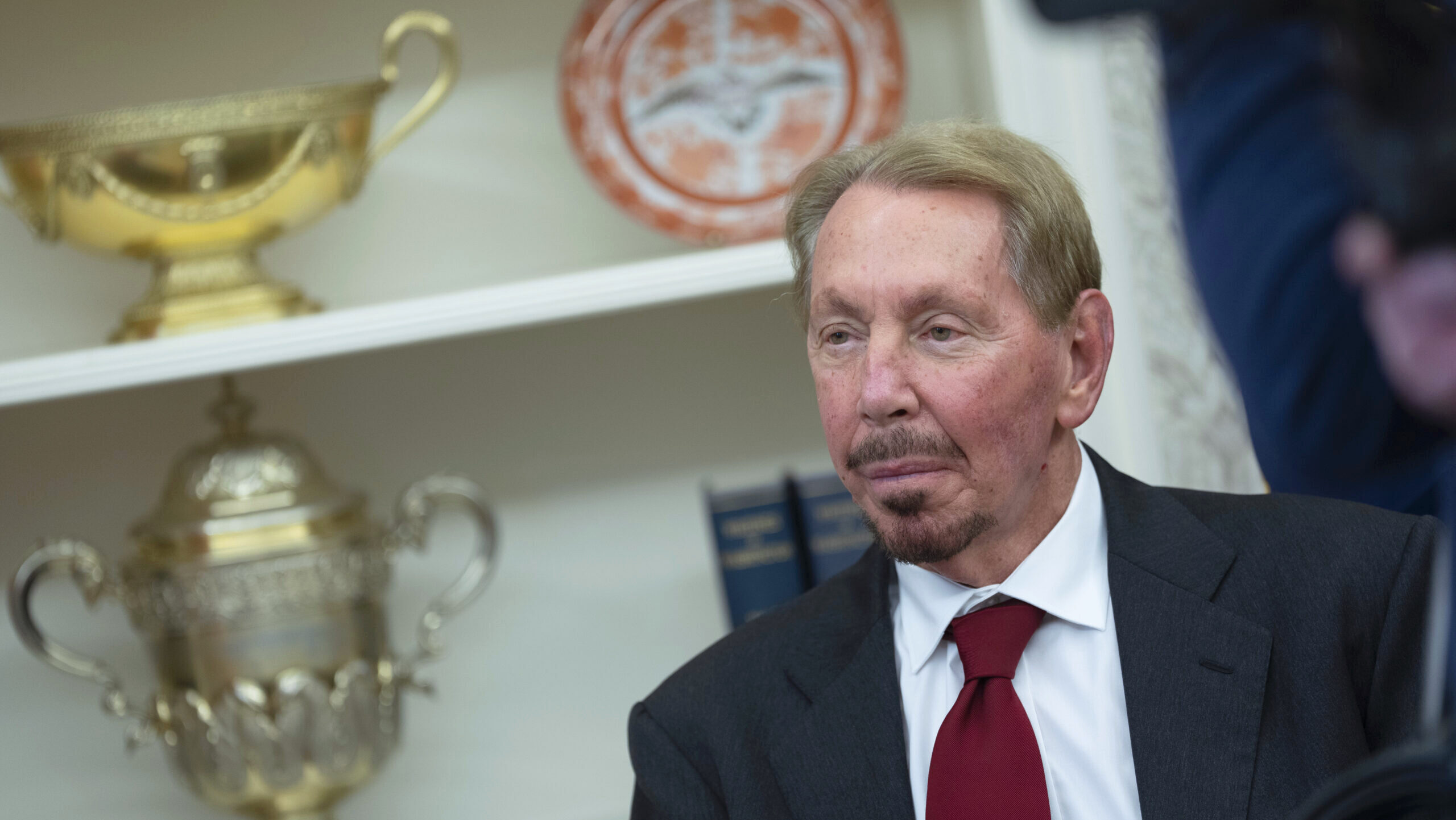
In an amended bid for WBD on Monday, Paramount pinky-promised the financial backing of Larry Ellison, the Oracle founder, world’s fifth-richest man, and longtime backer of son David’s media and entertainment ambitions. Is it enough to shift the odds?
Return of Debtflix
The financing of Paramount’s all-cash $109 billion offer has always been a bit of a question mark. Underlying everything has been the participation of the senior Ellison. In its rejection of Paramount’s bids so far, WBD’s board of directors flagged Larry Ellison’s supposed financial support as “illusory,” because the cash was being sourced from a family trust it said could be easily manipulated amid a pending transaction. In a statement highlighting an amended filing to the SEC on Monday, Paramount said “Larry Ellison has agreed to provide an irrevocable personal guarantee of $40.4 billion of the equity financing for the offer.”
That puts the ball back in WBD’s court to reject Paramount’s offer for the eighth time if it chooses to stick with Netflix. But pulling off one of the biggest media acquisitions of all time requires some financial backflips for any bidder, and is forcing Netflix to return to some old tricks that some had hoped would remain firmly in its past:
- The streamer’s cash-and-stock bid is backed in part by $59 billion in temporary debt financing from Wall Street banks, which it says will eventually be replaced by a mix of bonds, delayed-draw term loans, and a revolving credit facility. On Monday, the company had already begun refinancing part of the bridge loan, according to regulatory filings.
- It’s the first time Netflix has relied heavily on debt financing since its early “Debtflix” days, when the company sold junk bonds to build its streaming giant. Its bonds climbed back to investment grade by 2021 as a pandemic boom fueled free cash flow, and are currently rated A by S&P Global and A3 by Moody’s. In a note seen by Fortune earlier this month, Morgan Stanley analysts warned that taking on new debt to fund the WBD deal could drag Netflix’s bonds to BBB, or the lowest tier of investment grade.
Winner Takes All: So which way are WBD shareholders likely to lean? “I doubt many [WBD] shareholders that are on the fence or planning to vote no were holding out due to issues the revised bid addresses such as a guarantee from Larry Ellison on the funding front,” Seth Shafer, principal analyst at S&P Global, told Reuters on Monday. Meanwhile, some analysts say not to fear the return of Debtflix: “Their balance sheet has plenty of capacity to accommodate something like this, even if they have to up their bid,” Jim Fitzpatrick, head of US investment-grade credit research at Allspring Global, told Fortune.