Golf Retailers Push Forward on a Tough (Economic) Course
Americans are playing the most golf in decades, but capitalizing on the trend requires expert-level finesse for equipment-makers.
Sign up for smart news, insights, and analysis on the biggest financial stories of the day.

Shhhh!!! Or you could screw up Scottie Scheffler’s stroke.
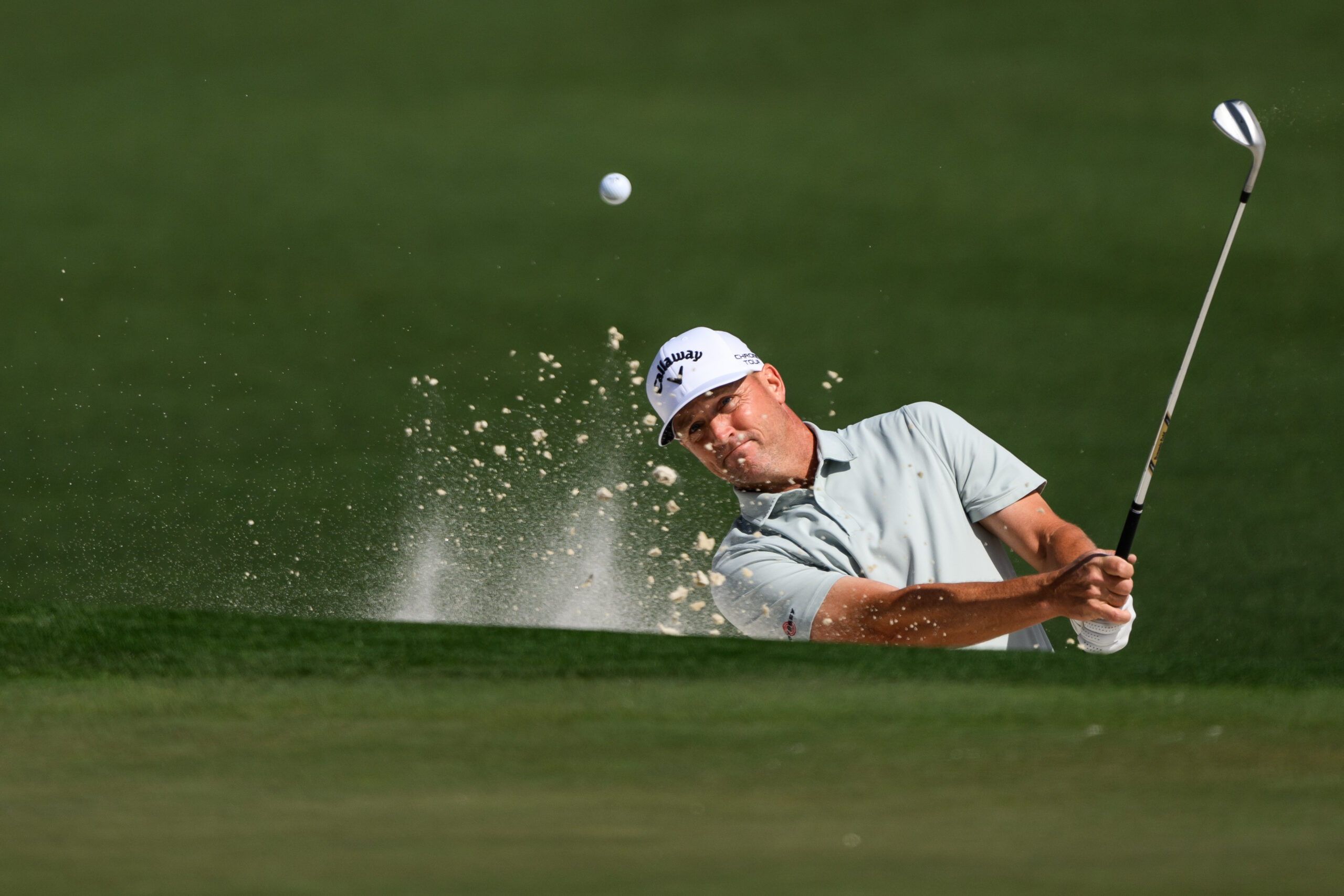
The Masters Tournament, which began yesterday at Augusta National Golf Club, continues through Sunday when one bogey man will be fitted with the famous winner’s jacket in verdant Pantone 342 C. Considered by many the sport’s most prestigious event, the contest comes at a time when Americans are playing the most golf in two decades, but some firms have found that capitalizing on the economics requires expert-level finesse with metaphorical wedges and mid-irons.
No Handicaps
According to the National Golf Foundation, the number of players who hit the links annually in the United States has risen by more than 5 million over the past eight years. In 2025, it reached 29.1 million, within putting distance of the 2003 record of 30.6 million set during Tiger Woods’ superstar peak.
That’s been great for course operators, with nearly 70% telling the foundation they are in “good” or “excellent” financial shape. For equipment manufacturers, it’s more complicated, with inflation, tariffs and consumer sentiment colliding like a macroeconomic crosswind over the fairway. Publicly traded Callaway Golf and Acushnet, two leading makers of balls, clubs and other equipment, both reported in February that tariffs were squeezing their margins. Acushnet said it expected to incur $70 million in import taxes this year and Callaway $40 million (those figures may change since the Supreme Court struck down the Trump administration’s International Emergency Economic Powers Act levies). Tariffs have coincided with rising equipment prices, and while dollar sales are climbing, unit sales haven’t kept pace as consumers report inflation fatigue. It’s a tough course, but executives have made some big shots:
- Earlier this year, Callaway strengthened its balance sheet with the sales of outdoor apparel maker Jack Wolfskin and a 60% stake in sports-gaming businesses Topgolf, repositioning itself as a pure golf play. That helped the company pay down $1 billion in debt before leaders authorized a $200 million buyback program to reward shareholders.
- While Callaway is forecasting 2026 sales to be roughly flat around $2.1 billion, its shares are up 24% this year amid the streamlined focus. Acushnet forecasts 2.5% to 4.5% sales growth, and is up 23%.
Institutional Enthusiasm: An SEC filing this week revealed that Rochester-based advisory O’Keefe Stevens boosted its stake in Callaway, with the holding now 4% of the fund or more than Berkshire Hathaway. Given Callaway’s exceptionally high 12-month trailing price-to-earnings ratio of 69, that’s quite the vote of confidence.