Is Coca-Cola’s Unmatched Pricing Power Finally Fizzling?
Volume growth has flattened out, and even turned negative, in major markets in recent quarters, suggesting a consumer pullback.
Sign up for smart news, insights, and analysis on the biggest financial stories of the day.

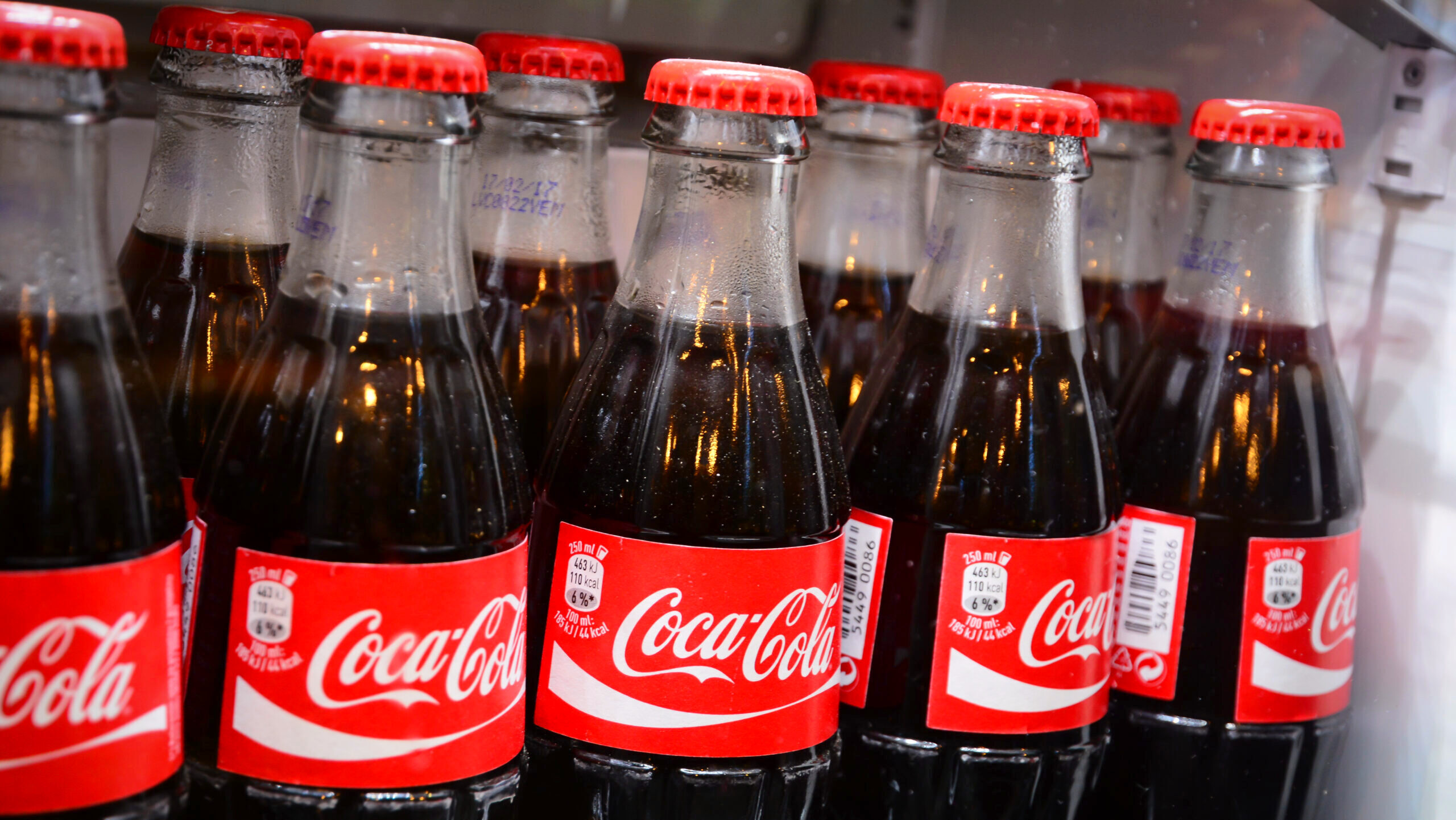
Even Don Draper would have trouble selling a $3 can of Coke.
For years now, Coca-Cola has wielded some of the strongest pricing power in the entire consumer business, steadily raising the prices of Coke and its other sodas while hardly shedding customers. But as the company nears its fourth-quarter earnings report this week, executives, analysts and other onlookers are beginning to wonder if shoppers are finally nearing their breaking point.
Fizz-ures
Make no mistake: All pop producers have benefited from raising soda prices. The average price of 12-packs and 2-liter bottles effectively doubled between 2020 and 2025, according to one analysis of Bureau of Labor Statistics data, far outpacing the national inflation rate. Coca-Cola, specifically, has fattened its operating margins from around 24% to 32% over that same span, according to its earnings reports. Meanwhile, its penchant for dividends has made it a defensive stock mainstay (there’s a reason Warren Buffett has been a longtime fan). Its share price is now at record highs, trading at around $79.
But there are now signs that the company has pushed it too far and lower-income consumers are starting to trade down to cheaper store-brand alternatives. Volume growth has flattened, and even turned negative, in major markets. The trend has prompted industry peers to start slashing prices:
- Following a dust-up with activist Elliott Investment Management, PepsiCo said in December it would cut prices by about 15% across a host of items starting this month.
- On the other hand, Coca-Cola has somewhat offset falling flagship sales by pivoting to premiumization, finding stronger demand for health-oriented offerings like its protein-packed Fairlife milk.
“The US consumer continues to be robust, continues to spend, is resilient,” CEO James Quincy said on CNBC in January. “It’s not the best of times, it’s not the worst of times.”
Going Flat: Consumers, it seems, more or less agree. In the latest consumer sentiment report from the University of Michigan, published Friday, optimism rose to its highest point in six months. This Friday will deliver the latest consumer price index report from the US Bureau of Labor Statistics for January, which will show which way the inflation winds are blowing.