Will Lunar New Year Mark Start of China’s Luxury Comeback?
The Lunar New Year, an extended holiday where people celebrate by traveling and shopping, reflects the Chinese economy’s health.
Sign up for smart news, insights, and analysis on the biggest financial stories of the day.

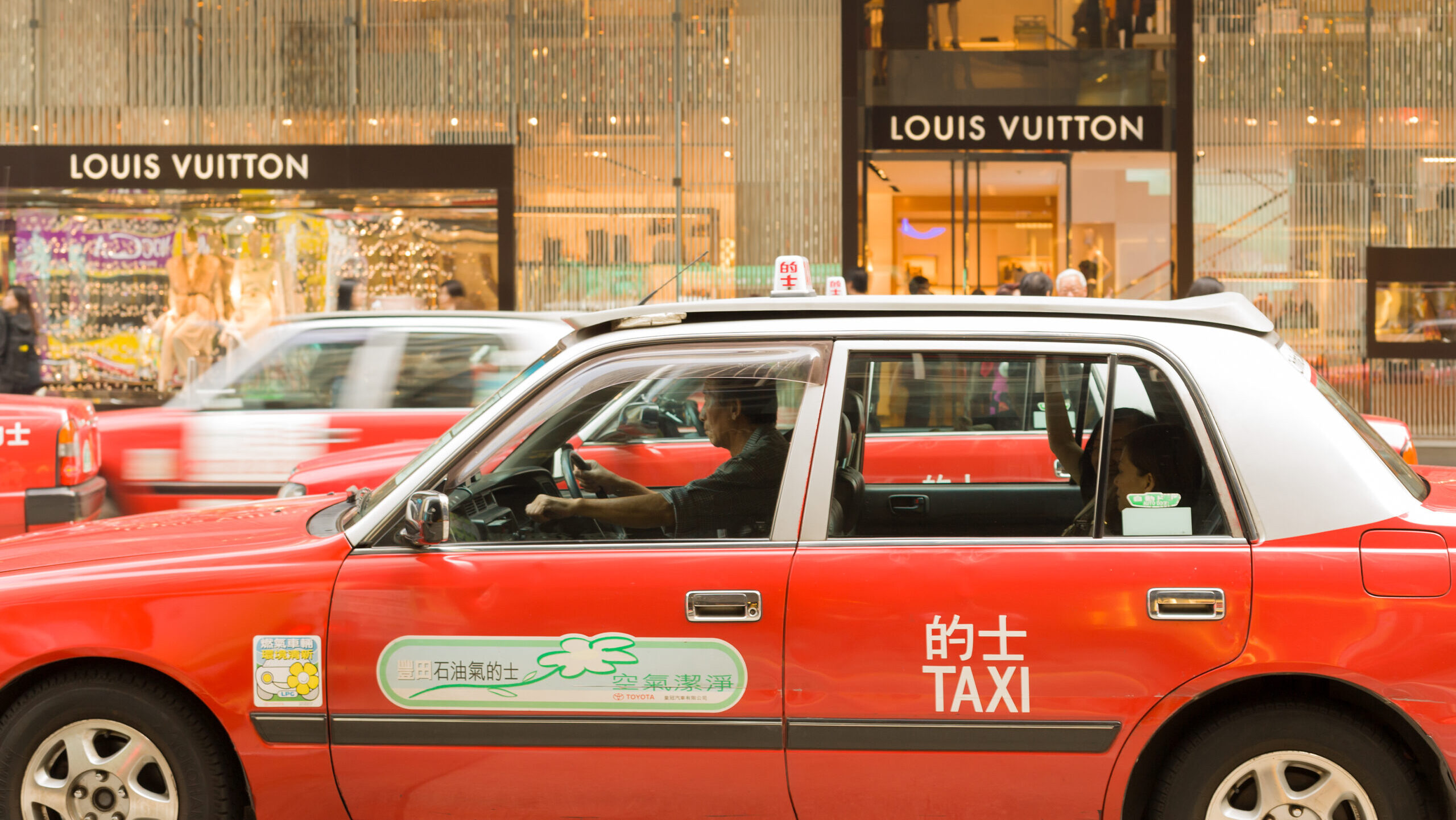
The luxury market is saddling up for the Year of the Fire Horse, hoping that diamond-encrusted horse merch will have Chinese shoppers splurging this Lunar New Year. Luxury sales have been dragged down for years by slow spending in China, where the sector’s biggest spenders have yet to shop like they did before the pandemic.
The Lunar New Year, an extended holiday that people celebrate by traveling and shopping, reflects the Chinese economy’s health. Last year, tourism revenue and travel rose from the year before, but daily spending was still below prepandemic levels. To help reverse the trend and boost spending, China extended the official holiday this year by one day, to nine days total, starting on February 15.
The Year of the Fire Horse — which astrology lovers might know is all about rebirth — could be the beginning of a comeback for spending in China. Recent earnings reports, along with an analysis from Bain, suggest the country’s luxury spending could soon bounce back above 2019 levels.
Still Waiting on that Red Envelope
As China copes with a real estate crisis and a long-lasting hit to consumer confidence from the country’s Covid shutdown, its luxury market has struggled. Bain found it contracted as much as 5% last year. But that was a comeback from the year before, when it fell nearly 19%, and Bain spotted signals of a recovery starting in the third quarter.
That shallowing of the crisis is reflected in recent earnings reports, although performance has been a mixed bag from brand to brand:
- Cartier owner Richemont said sales in China, Hong Kong and Macau ticked up 2% in the holiday quarter. China makes up about a fifth of the Van Cleef & Arpels parent’s revenue, and the boost helped its overall sales climb 11%. Burberry also posted expectation-beating sales in the December quarter, buoyed by Chinese shoppers (Burberry’s logo is a horse if astrology has anything to do with it).
- LVMH, which owns brands like Dior and Louis Vuitton, has had less luck but is still showing signs that a comeback could be on the horizon. Europe’s biggest company by market cap said its sales in China rose in the fourth quarter. Its overall sales remained tepid, slightly above expectations, while its core biz (apparel, leather goods) fell 3%. Investors pulled down shares of a whole basket of luxury stocks after LVMH’s call — including Birkin-maker Hermes and Gucci-owner Kering, both set to report this month.
Red Thread: The luxury sector is tethered to consumer confidence in China. The Lunar New Year may be when shoppers in the country feel most like splurging, so how much they spend will be seen as a bellwether for the broader luxury market. It’s off to the races.