Heating Prices Surge as Utility Bills Grow Faster Than Paychecks
NEADA found the average monthly electric bill has surged 29% since 2021, and natural gas has jumped 50% over the past year.
Sign up for smart news, insights, and analysis on the biggest financial stories of the day.

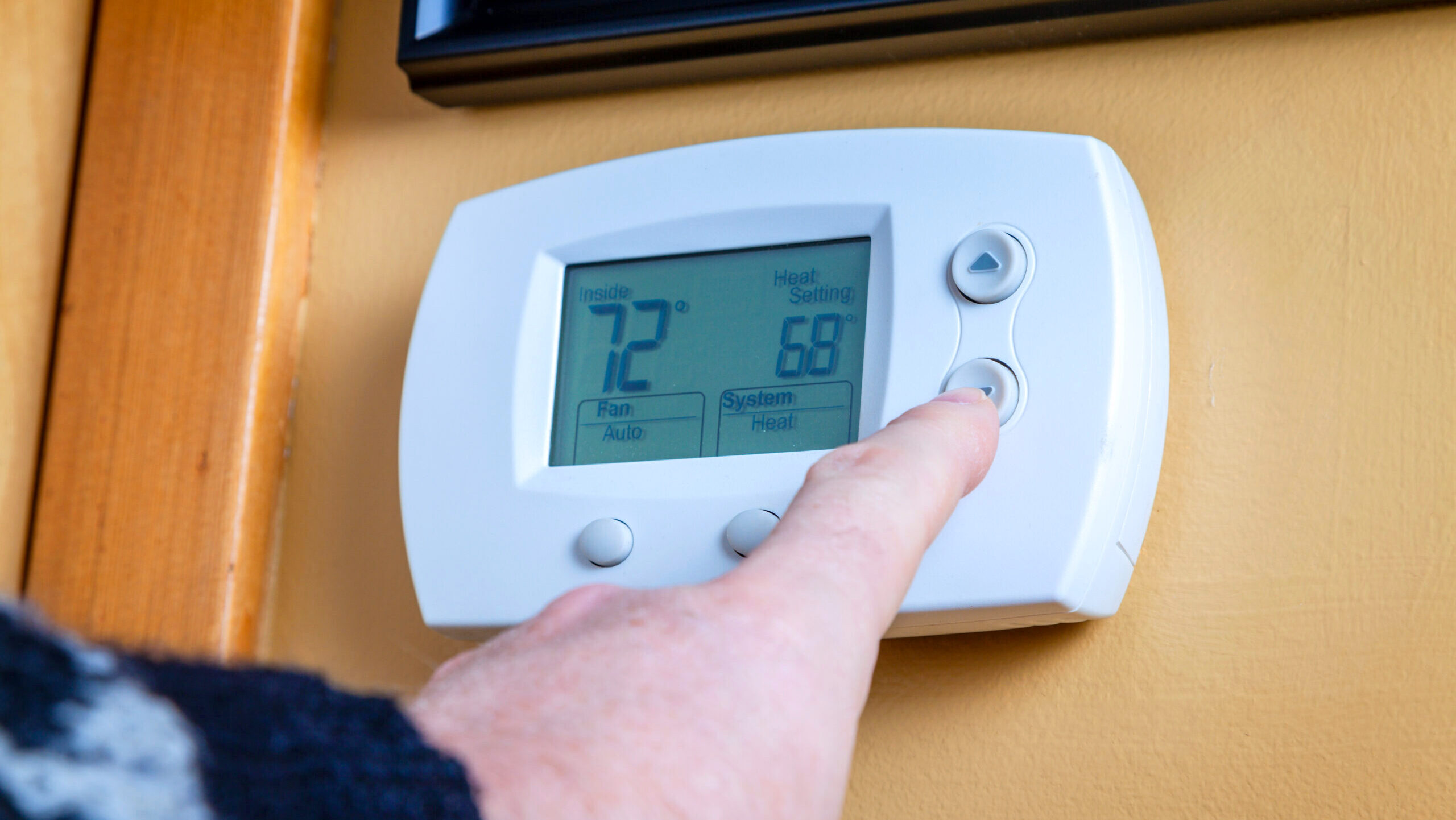
It’s time to get the fleece-lined leggings out: Heating costs will probably spike more than 9% this winter, the National Energy Assistance Directors Association found in its latest report. That gain outpaces inflation, which hit 3% in September and is expected to remain roughly the same for November when it’s reported Thursday (after a government-shutdown-induced lag). NEADA said households will spend just short of $1,000 on heating this winter.
The affordability crisis, which has become a go-to debate topic on the campaign trail, could get worse before it gets better. In the meantime, power companies are reaping the profits, and utility bills are getting tougher to open.
At Least Data Centers Are Keeping Warm
NEADA found the average monthly electric bill has surged 29% since 2021, and natural gas has jumped 50% over the past year. Funding for the Low Income Home Energy Assistance Program, meanwhile, has dropped from $6.1 billion in 2023 to $4 billion.
Among the drivers of higher electricity costs is growing demand from AI data centers:
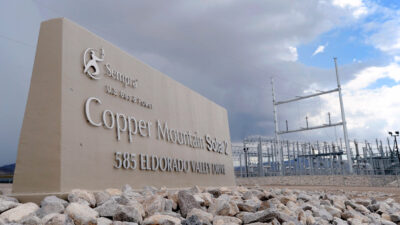
- A power market auction by the nation’s largest grid operator, PJM Interconnection LLC, resulted in a record-breaking deal worth more than $16 billion yesterday. The total has shattered records for the past three years as demand for energy to fuel AI data centers skyrockets.
- Data center demand made up 45% of last year’s price tag, PJM’s official watchdog found. That spike in demand has added billions to household bills, Bloomberg reports. Shares of power companies including Constellation Energy and Vistra have risen alongside AI demand.
Yes, Everything’s Expensive: Americans are facing heftier bills across the board, ranging from insurance premiums to groceries and housing, and paychecks have failed to keep up. Middle-income households’ paychecks grew 2.3% over the past year, while low-income households’ rose 1.4% — less than half of inflation. It could get worse before it gets better: JPMorgan expects companies to pass more of the cost of tariffs on to consumers starting next year, after previously eating about 80% of the costs themselves.
Recent News

-

Photo via Chen Mengtong/China News Service/VCG/Newscom






-
Energy Market Disruption From Iran Conflict Flows into Gas Pumps

Photo via Jeremy Hogan/Sipa USA/Newscom
-
Photo by https://unsplash.com/photos/condo-neighborhood-in-the-suburbs-ROVuTYG_jso via Unsplash