Iranian Strikes on LNG Plant Heighten Risk of “Doomsday Scenario” for Natural Gas
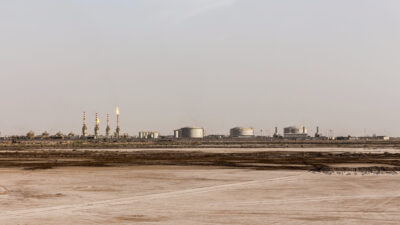
Iranian strikes on Qatar’s Ras Laffan plant eliminated three to five years of LNG exports worth some $20 billion in yearly revenue.
Sign up for smart news, insights, and analysis on the biggest financial stories of the day.

Three to five years of 12.8 million tons in liquified natural gas exports worth some $20 billion in annual revenue. Gone overnight.
That’s according to QatarEnergy CEO Saad al-Kaabi, who told Reuters Thursday that 17% of Qatar’s globally crucial LNG export capacity was extinguished in Iranian strikes that he couldn’t have imagined in his “wildest dreams.” Consulting firm MST Marquee warned that the escalating attacks on energy infrastructure in the Persian Gulf are pushing the world closer to a “doomsday gas crisis scenario.”
USA #1 (Exporter)
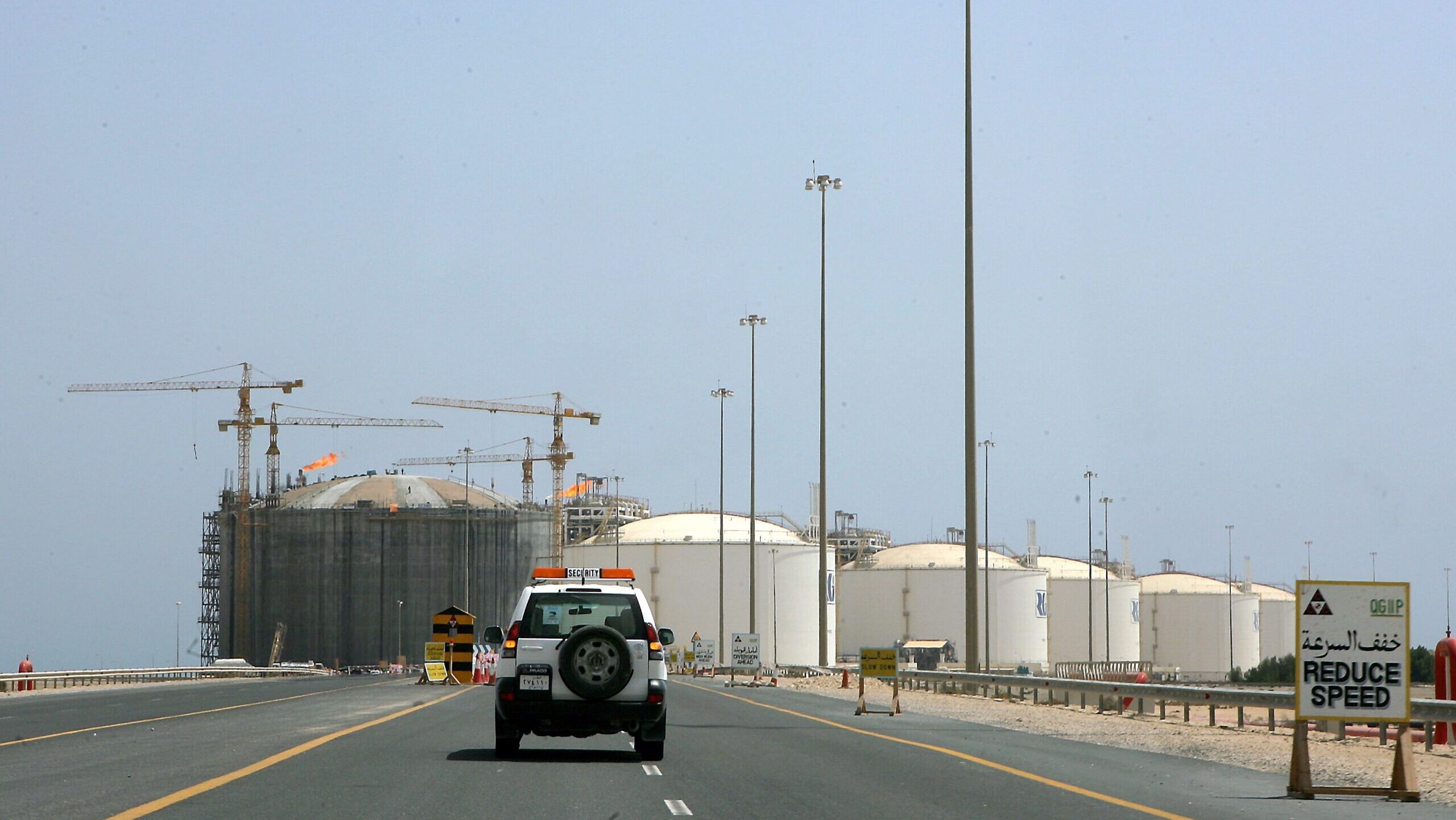
The Iranian missile strikes on Qatar’s Ras Laffan plant, the largest LNG production facility on earth, came early Thursday in retaliation for an attack by Israel on Iran’s South Pars gas facilities. Because of the “extensive damage” to QatarEnergy, al-Kaabi said the state firm will be forced to declare force majeure on long-term LNG export contracts with Belgium, China, Italy and South Korea for up to five years. That will leave major buyers in Asia and Europe searching mightily to replace a whole lot of lost volume, creating prolonged price pressure as those buyers compete for LNG elsewhere. Higher prices would, in turn, feed into inflation and weigh especially hard on the world’s biggest net importers, which are mostly in Asia and Europe. In Europe, benchmark Dutch natural gas futures jumped 11.6% to €60.99 ($70.48) per megawatt hour on Thursday.
Qatar is the world’s second-largest LNG exporter, so it stands to reason that there is upside for the producers in the country at the top of the list, the United States:
- US natural gas production hit a record 118.5 billion cubic feet per day (Bcf/d) last year, with roughly 20% destined for export. Shares in Cheniere Energy, the largest US producer, rose 5.9% on Thursday. For consumers at home, US natural gas prices have been relatively flat since the start of the Iran conflict, in part because the US produces almost all the natural gas it consumes.
- US LNG export terminals are currently operating near capacity, according to the US Energy Information Administration, so even though American producers would benefit from higher export revenues, the country is not positioned to offset a global supply shock. The Federal Energy Regulatory Commission forecasts US export capacity will expand dramatically in the coming years, adding 35 Bcf/d.
Joint Ventures and Misadventures: The next major US export facility slated to come online is the Golden Pass LNG terminal, a joint venture between ExxonMobil, which holds a 30% stake, and (ironically) QatarEnergy, which owns 70%. Exxon, as it happens, also has a stake in the facilities damaged in Qatar on Thursday.
Recent News

-

Photo via Chen Mengtong/China News Service/VCG/Newscom