Blockaded Gulf Oil Stockpiles Turbocharge Crude Prices
Oil production in the Middle East may fall dramatically if the Iran conflict traps stockpiles from being shipped out of the region.
Sign up for smart news, insights, and analysis on the biggest financial stories of the day.

The world’s energy artery has developed a lethal clot. Help is apparently on the way, but it could be days or more before it arrives.
Treasury Secretary Scott Bessent said Wednesday that the US government will soon make a “series of announcements” meant to bring order to oil shipping in the Gulf, where traffic has come to a near standstill since the US and Israel struck Iran, prompting Tehran to threaten attacks on any ship that tries to pass through the Strait of Hormuz. Wall Street analysts have warned that the immediacy of the shutdown is such that oil production could see massive cuts for every day the situation goes unresolved.
Not Pulling Their Freight
Bessent told CNBC that the administration will reach out to ship owners and insurance brokers “over the coming days” about government-backed insurance guarantees President Donald Trump authorized on Tuesday. Trump said the US International Development Finance Corp. will offer ships insurance at a “reasonable price” after maritime insurers began swiftly canceling war policies.
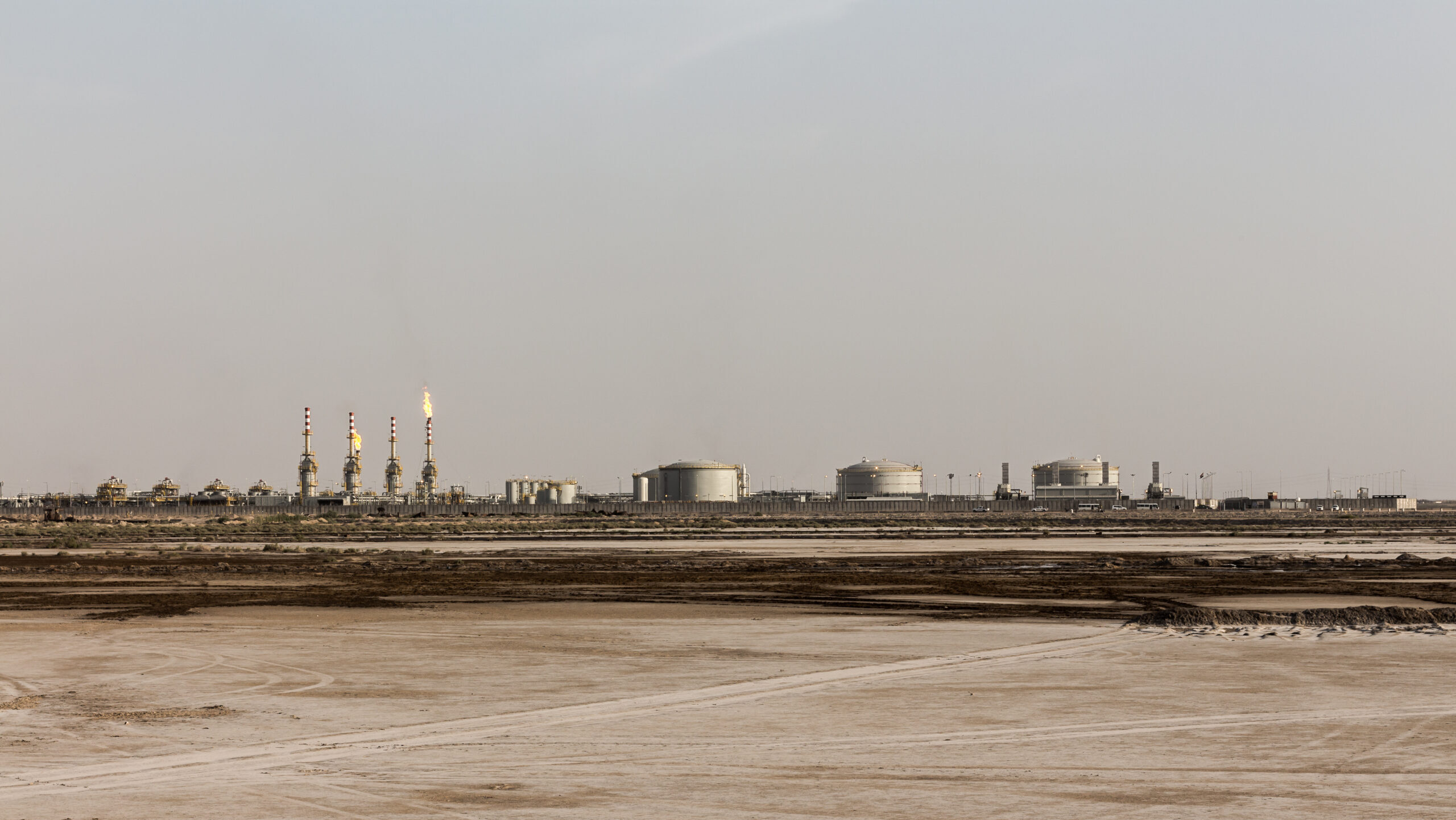
For now, little is moving. S&P Global Commodities at Sea said Wednesday that an average of 135 vessels crossed the Strait of Hormuz daily in February. This week, that has dropped to the single digits. In normal times, all that traffic shuttles roughly 15 million barrels of crude through the Strait each day. The backlog from the current quagmire, analysts warn, could soon have serious consequences. While Saudi Arabia, OPEC’s largest producer, has “abundant storage,” according to JPMorgan, the oil-producing alliance’s second-largest producer, Iraq, and its fifth-largest, Kuwait, are a very different story. Iraq, which has already cut production by 1.5 million per day or roughly in half, has days before its storage is full, the bank’s analysts wrote. Storage in Kuwait, they estimate, will be at capacity in roughly two weeks. Production losses could total 3 million barrels per day by the end of this week, 4 million if the conflict lasts another week, and 5 million by day eighteen. That would add to the pressure that has pushed international benchmark Brent crude up 12% to $81.40 a barrel since Saturday:
- Analysts at Citi said Brent should trade between $80 and $90 for the next week. Along with Wood Mackenzie and Bernstein, the bank said its most extreme scenarios (a prolonged conflict or Iranian strikes on infrastructure) put Brent at $120.
- Already, Wall Street is forecasting that the impact of the Hormuz closure and related supply issues will linger for months, even if there’s a resolution.
Part-Time Job: Massive oil tankers stranded in Hormuz could become floating storage containers to help cover their own operating and capital needs, S&P said Wednesday. Some are also “seeking short-term employment” taxiing cargo within the region, the agency’s analysts wrote. One tanker run by Dynacom, they added, got a $3.75 million payday to ferry cargo between Jubail and Ras Tanura in Saudi Arabia.
Recent News
-
Energy Market Disruption From Iran Conflict Flows into Gas Pumps

Photo via Jeremy Hogan/Sipa USA/Newscom