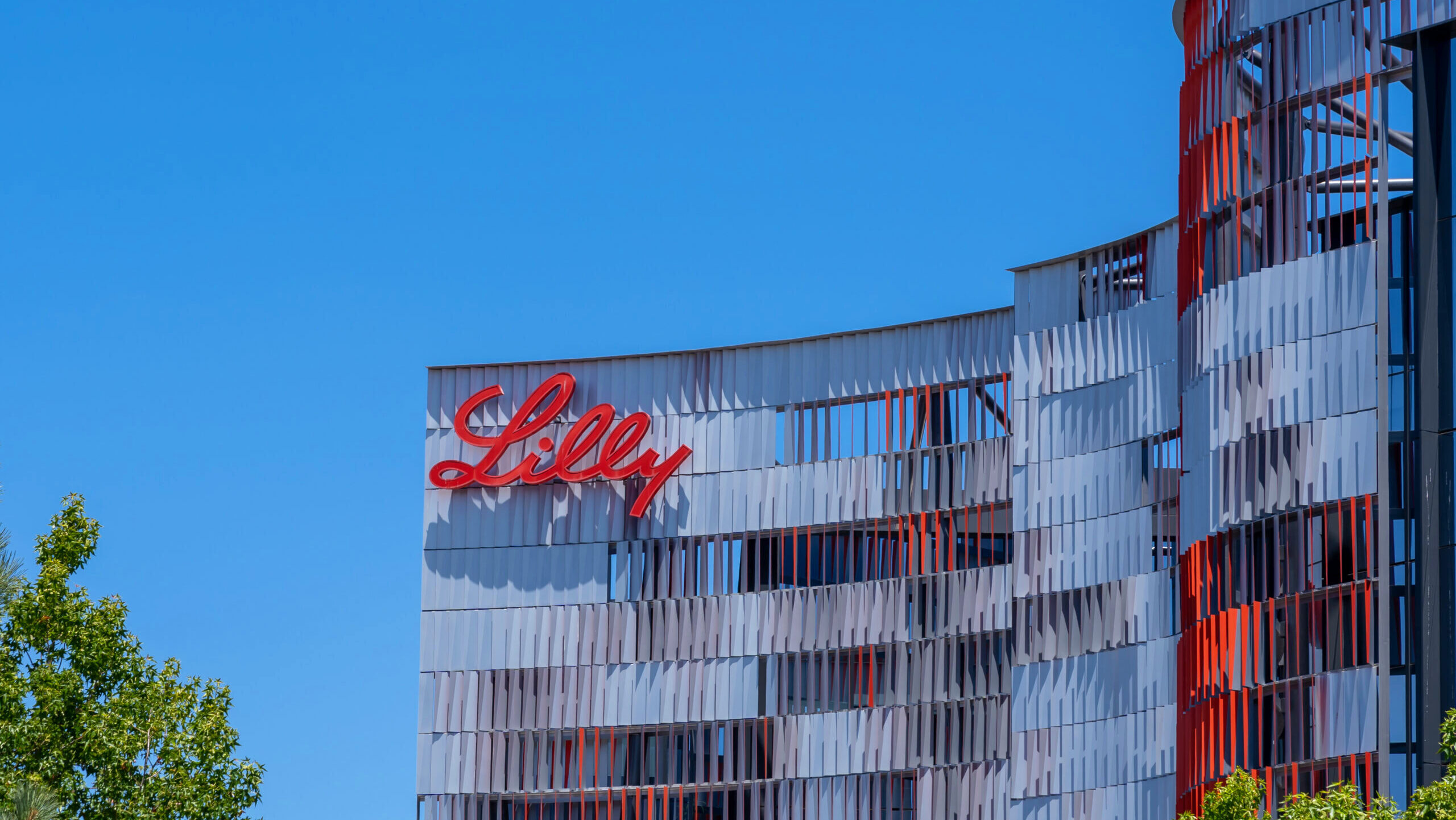
Treatment Advances Position Lilly as Weight-Loss Heavyweight
The proliferation of cheaper generic drugs and more competition has already begun to bring down prices on weight-loss treatments.
Sign up for smart news, insights, and analysis on the biggest financial stories of the day.

For every patient Eli Lilly helped downsize with its obesity drug Zepbound, rival Novo Nordisk’s purse got a little lighter, too.
After Novo reported disappointing results Tuesday, all eyes are on Eli’s earnings today, evaluating whether the firm has what it takes to, once and for all, take the Danish firm’s krone.
Foes Woes
Sales of Lilly’s GLP-1 treatments for diabetes and weight loss accelerated in 2025, winning investor confidence and sending its shares soaring 39%. That was met with forecasts that the Indianapolis-based company would soon overtake struggling Novo in the weight-loss drug race, unseating the firm that pioneered the whole sector. Analysts predicted the firm would garner roughly $17.9 billion in revenue in its most recent quarter, a 32% increase from a year ago, according to Zacks Investment Research.
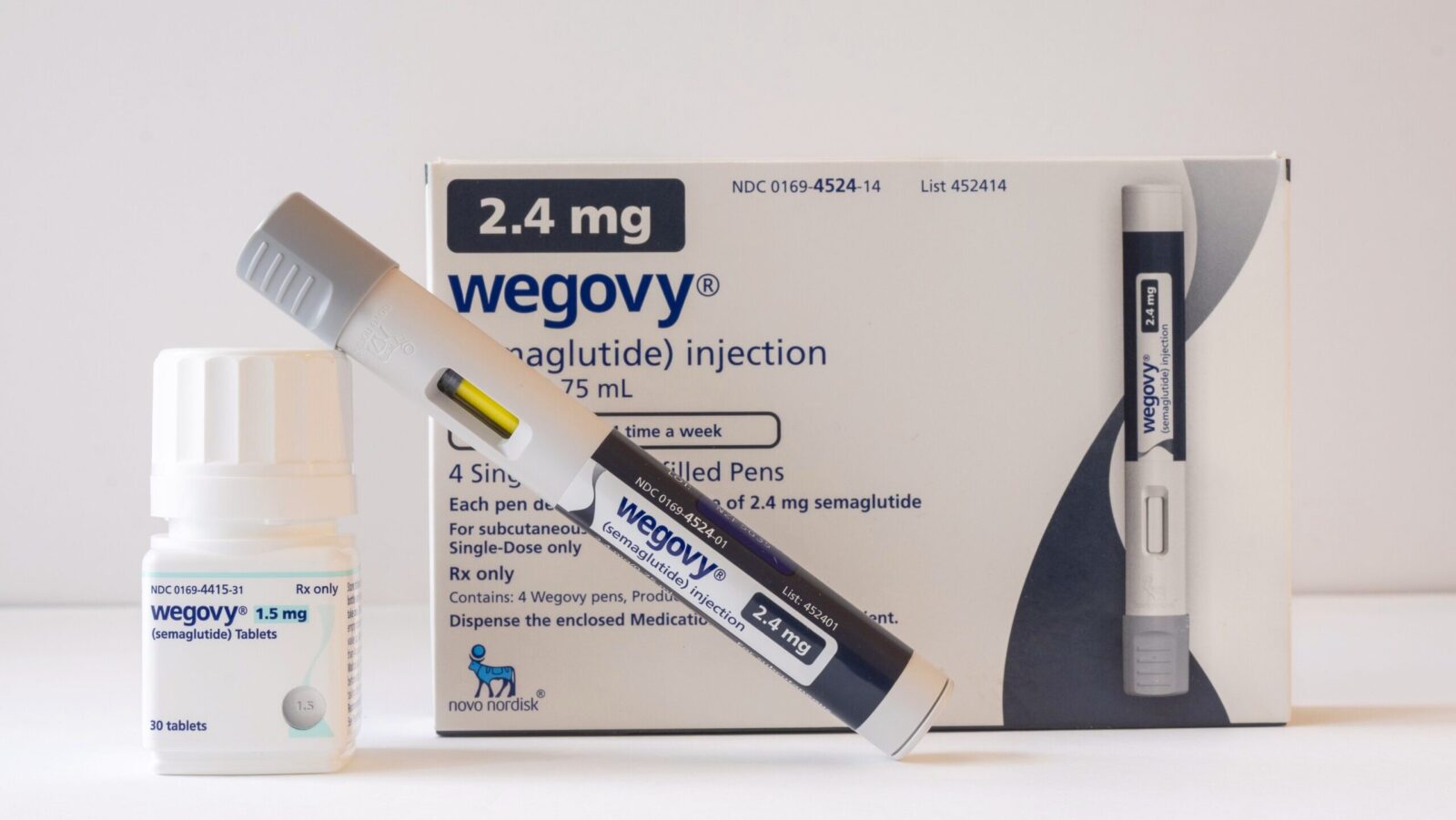
Novo, meanwhile, just had itself a bad Tuesday. Even though it became the first company to get a GLP-1 weight-loss pill to market in the US last month, executives said they expect sales and operating profit to fall between 5% and 13% this year. Leadership attributed the gloomy outlook to lower US prices amid heightened competition, weakening Ozempic and Wegovy sales, and the end of exclusivity for both drugs in Brazil, Canada and China. The Danish firm’s US-listed shares fell more than 14.6% on Tuesday. Meanwhile, future competitor Pfizer, which is targeting a 2028 entry into the obesity drug race, released new trial data for an experimental obesity shot Tuesday, but it came in “slightly inferior” to Lilly’s Zepbound, according to Leerink Partners analysts. Among Lilly’s other strengths:
- Its GLP-1 portfolio, led by blockbuster treatments Mounjaro and Zepbound, is expected to gain its own weight-loss pill, orforglipron, to rival Novo’s this year. There is also considerable upside thanks to a deal Eli struck in November to secure Medicare access for its obesity drugs, which Bernstein analysts said could open its treatments to 25 million beneficiaries.
- Seven phase 3 trials for Eli’s next-generation obesity drug, retatrutide, are expected to finish in 2026, covering not just weight management and Type 2 diabetes but cardiovascular and kidney issues. Given its trajectory and pipeline, UBS analysts last month called Lilly “the best growth story for 2026-2030.”
Lose a Size: The proliferation of cheaper generic drugs and increased competition have already begun to bring down prices for weight-loss treatments, as will the Trump administration’s deals with the pharma industry. Wall Street knows that this will do to revenues what GLP-1 drugs have done to waistbands. Last month, Jefferies cut its forecast for the weight-loss market by 20%, to an $80 billion peak from an earlier prediction of over $100 billion by 2030. Goldman Sachs also slashed its estimate from $130 billion to $105 billion.