Crude Crypto Costs Could Keep Strait of Hormuz Clogged
Next up in the saga at the Strait of Hormuz: crypto fees. Iran will demand $1 per barrel of oil paid in crypto that passes the Strait.
Sign up for smart news, insights, and analysis on the biggest financial stories of the day.

Next up in the Strait of Hormuz saga: crypto fees.
Iran will demand $1 per barrel of oil paid in crypto for passage through the Strait of Hormuz, an industry official told the Financial Times. Large tankers carry millions of barrels each, and as bitcoin’s price rises this week, that toll could become more costly.
Tankers will have to email details about their cargo to Iranian authorities, who’ll calculate the bill, said Hamid Hosseini, a spokesperson for Iran’s Oil, Gas and Petrochemical Products Exporters’ Union. The toll system is meant to avoid tracing and confiscation under any global sanctions and to prevent weapons shipments.
Digital Assets During Wartime
Crypto has become a key monetary tool in times of war and unrest, when the encryption of digital assets can help countries circumvent sanctions. Russia turned to crypto when the traditional financial industry tried to cut it off from the global economy. Now, Iran’s crypto activity is spiking as it grapples with global sanctions:
- Iran’s crypto market climbed to a record of about $7.8 billion last year, Chainalysis estimates. In the fourth quarter, about half of crypto transactions were linked to the Islamic Revolutionary Guard Corps. The Central Bank of Iran, meanwhile, has accumulated more than $500 million worth of Tether’s dollar-backed stablecoin USDT, Elliptic found.
- Crypto activity in Iran surged after the US-Israel airstrikes in late February, with Chainalysis reporting more than $10 million was moved off exchanges within a few days. The outflows could be tied to individual Iranians moving their money from exchanges to personal wallets as a safety measure, but also to IRGC-linked users accessing funds for trades and money laundering.
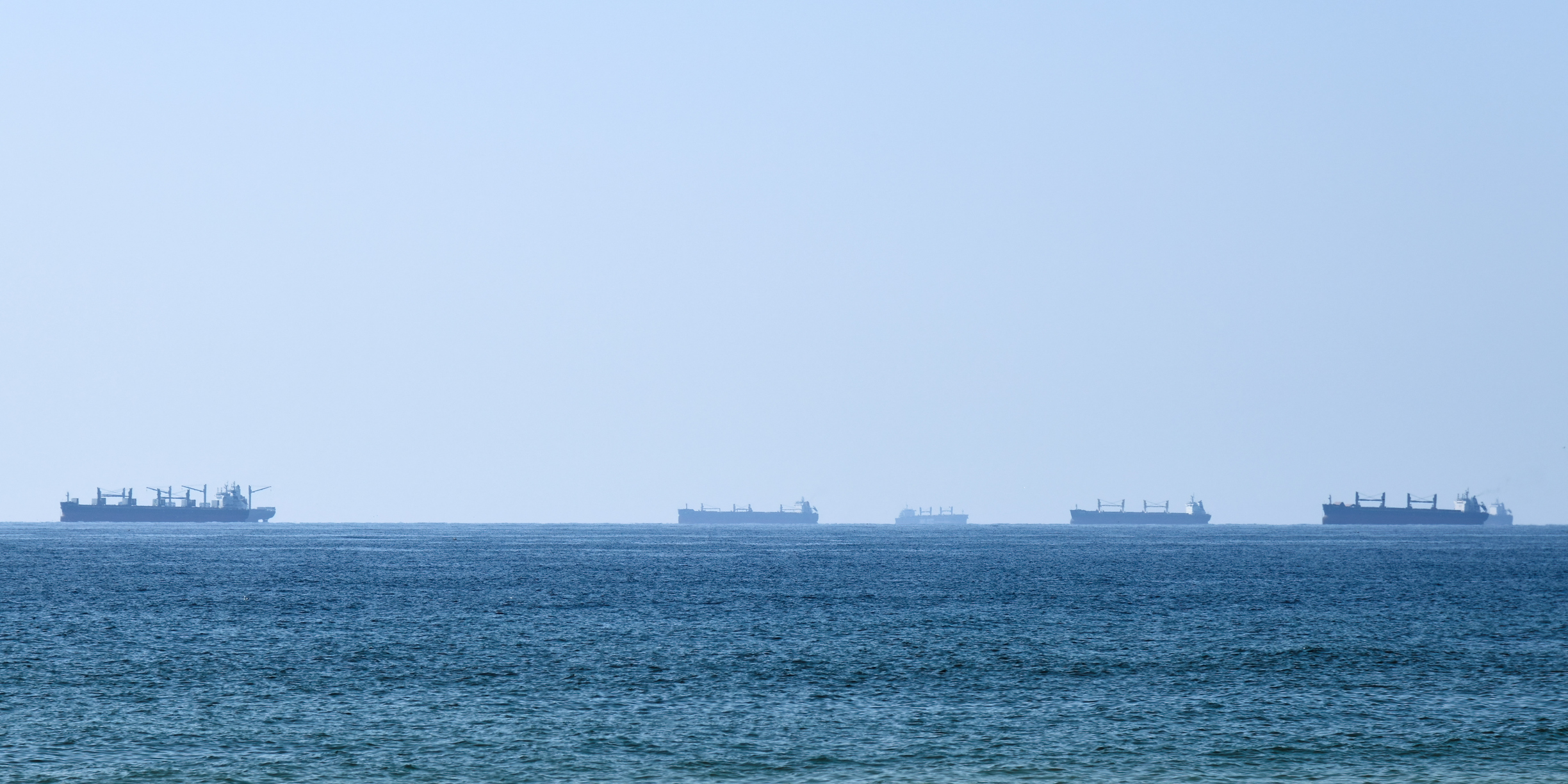
Crude Intentions: Crypto fees in the Strait of Hormuz may be more convenient for Iran, but the process could slow any attempt to quickly clear the freight parking lot that is the Persian Gulf. The process of sending an email detailing a ship’s cargo, waiting for Iranian officials to tally the bill, and then paying crypto fees can only go so fast. Clearing the strait within the two-week ceasefire window was already a tall order.
Recent News







-
The ‘Everything App’: How Robinhood Grew From Trading Platform to Financial Ecosystem

Photo illustration by Connor Lin / The Daily Upside, Photos by Ljupco, Comzeal, and CreativaImages via iStock

-

Photo illustration by Connor Lin / The Daily Upside, Photo by Tiero via iStock