Good morning.
You probably shouldn’t play the waiting game.
Inheritances from the Great Wealth Transfer are expected to be highly concentrated among the ultrawealthy, while the overwhelming majority of people will receive barely anything. And yet, they still have high hopes their parents will surprise them.
Some 36% of mass affluent Americans said they have already saved or invested at least $100,000 less because they believe a big lump sum is heading their way, according to a Key Wealth poll. What’s more is that much of that lack of saving is based on wishful thinking, as only a third said the expectation of an inheritance came from actually discussing the topic with family members.
It’s a vital reminder for clients: Parents want to prepare their children for the future, but few can support them long after they’re gone.
Out of the Frying Pan, Into Another Merger
Thinking of moving your practice? The timing is tricky. Last year brought a record 322 RIA M&A deals, up 18% YoY1. Joining a new firm today often means inheriting the aftermath: new fee models, new tech, and priorities set by the buyer.
The firms worth moving to are internally controlled. Cambridge has remained independent for 45+ years, free from the pressures reshaping everyone else. Their focus stays where it belongs: growing with advisors, not around them.
This Week’s Highlights
Fed’s Warsh Promises Congress a Hard Line on Inflation Amid Looming Risks

Hawks looking for evidence a rate hike is urgently needed haven’t found it yet.
Consumer prices jumped 3.5% in June, the Bureau of Labor Statistics reported Tuesday morning. That’s higher than the Fed’s preferred 2% inflation rate, but lower than the 4.2% May rate as well as analysts’ expectations for the data. One month of Consumer Price Index figures isn’t enough for the central bank to toss the idea of a rate hike out the window, but it’s enough to at least give its Federal Open Market Committee an inkling that there’s no rush to increase the benchmark federal funds rate at its meeting later this month.
CME’s FedWatch tool placed the likelihood of a hike at the July 29 meeting at just 16.6% as of midday Tuesday. Traders put the chances of the Fed holding rates steady at 83.4%.
Warsh’s Take
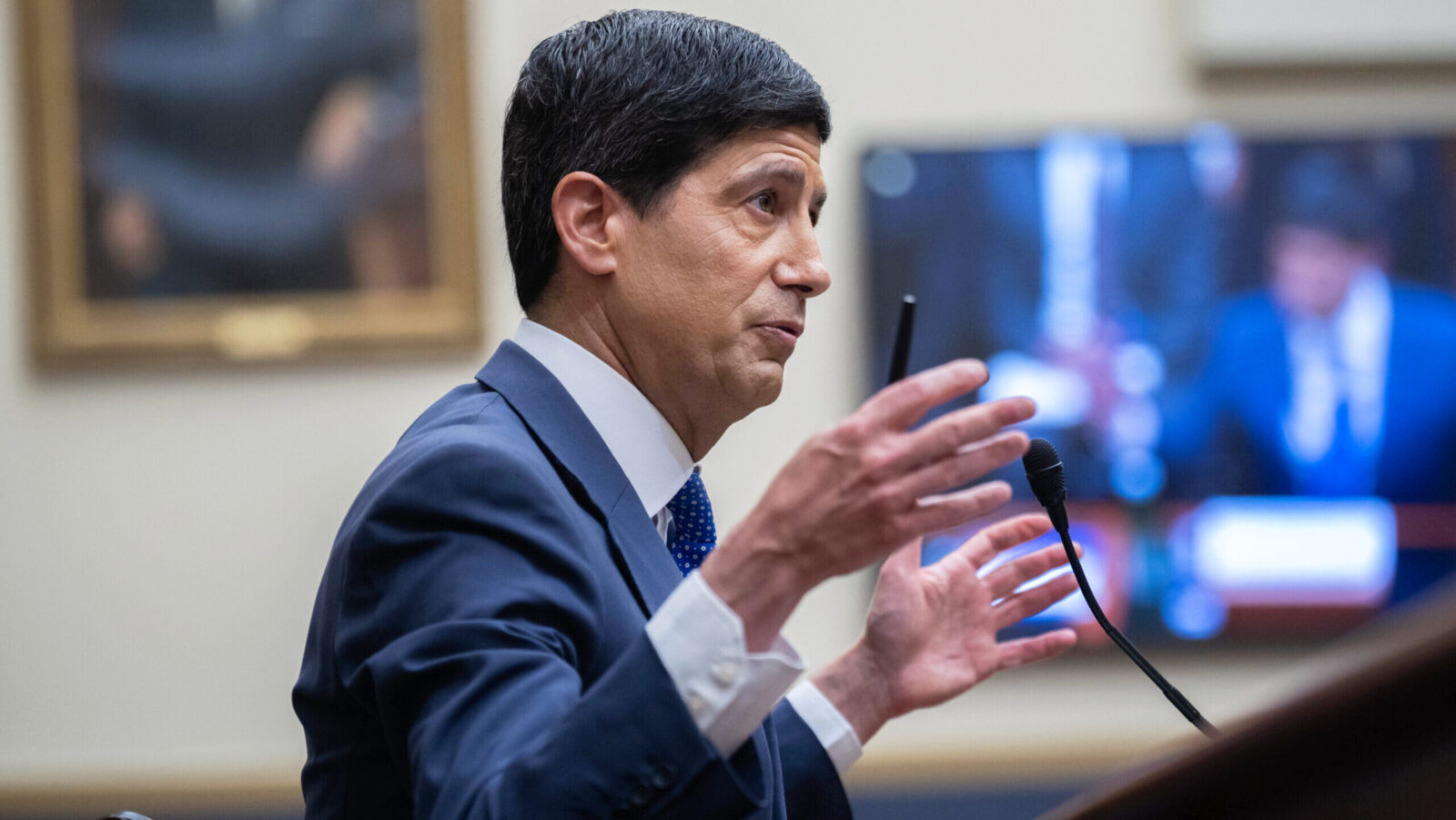
So what does that mean for new Fed Chair Kevin Warsh’s next move? In classic Warsh fashion, he’s not saying. But he made one thing very clear Tuesday morning during his first appearance before Congress as the central bank’s leader: Fed policymakers have “no tolerance” for high inflation. “The Fed’s No. 1 objective is to get monetary policy right, or as near to it as we possibly can,” he said in remarks shared ahead of his testimony. If they get it right, he added, “the inflation surge of the last five years will be a thing of the past.”
How the Fed is going to do that is unclear, and Warsh is dealing with a committee that is split on where interest rates should head. Despite the positive inflation figures, it could be a bumpy ride. Oil prices surged this week as the conflict between the US and Iran escalated, so the nearly 10% drop in gas prices shown in the latest CPI data may not stick around:
- “Tuesday’s weaker-than-expected CPI print suggests the inflation surge driven by the Iran war is fading, but this may just be a temporary relief as tensions have escalated in recent days,” Skyler Weinand, chief investment officer at Regan Capital, said in written comments shared with The Daily Upside.
- “I wouldn’t bet on these more modest inflation readings continuing for the remainder of the year,” Mike Reid, head of US economics at RBC Capital Markets, told The Wall Street Journal.
Hawks Here: Weinand added that while the latest inflation data reduces the odds of a rate hike for now, investors should remember that “almost every communication that has emanated from Chair Warsh during his short tenure” has been hawkish. “Warsh is looking to get consumer prices under control, and the best tool the Fed currently has is raising interest rates.”
The New Retirement Plan: Living out of a Suitcase

For some retirees, I’ve Been Everywhere isn’t just a great Johnny Cash song but also an aspirational anthem.
A new survey from International Living found that 83% of people interested in retiring abroad are considering living in more than one country. Only 16.5% said they want to retire permanently in one place. While this approach offers many benefits, like a lower cost of living, better weather or simply adventure, not having a permanent residence complicates financial planning, and advisors should make sure their clients understand the best way to achieve their goals.
“People have a greater sense today than they did, say, a decade ago, about what the possibilities could be,” said Jennifer Stevens, International Living’s executive editor. “As people are becoming increasingly interested in their overseas options, I think it behooves advisors to get educated about where the pitfalls are and what they can do to help their clients keep more of their hard-earned money.”
Home Is Where … You Pay Taxes?
One of the biggest challenges of a nomadic retirement is residency. Because these retirees keep moving instead of settling down, they still owe American taxes. Retirees from a high-tax state should strongly consider establishing residency in a state with lower taxes before they adopt an itinerant lifestyle, said Andrew Fisher, practice leader for cross-border planning at Cerity Partners. He also flagged several other common pitfalls:
- It can be difficult for clients to access funds abroad without a foreign bank account, so he recommends finding a debit card that allows withdrawals with minimal fees and restrictions.
- Retirees should know the tax residency rules where they’re staying, so they don’t unwittingly trigger tax liability by remaining in one place too long.
“If a client unintentionally becomes a tax resident of another country, they may find that their US retirement distributions, investment income or even Roth IRA withdrawals are treated very differently than they expected,” said Francheska Ruiz, a CFP at Tobias Financial. “That’s why one of the first conversations I have isn’t just where they want to retire, but how they plan to live throughout the year.”
Still Got Gas in the Tank. Fisher noted that people who choose this lifestyle have often retired younger. “Maybe they didn’t really get to travel a lot during their working years, so it’s kind of making up for lost ground. Sometimes there’re also people who know they want to experience something different, but they actually don’t know exactly where,” he said. “They’re looking at almost an extended vacation where they just get to go on an adventure and experience lots of different places, and maybe see if one eventually fits.”
Thematic ETFs Boosted by SpaceX IPO Lose Altitude

What goes up must come down, even for a rocket company and the many thematic ETFs it boosted.
SpaceX dominated the headlines for weeks with its highly anticipated initial public offering in June, and several space-themed ETFs reaped the benefits. But now that the stock of Elon Musk’s company has fallen 38% from its all-time high to trade close to its $135 IPO price, those funds are feeling the Earth’s gravitational pull. The Tema Space Innovators ETF (NASA) has plummeted back almost to its late-March launch price. The State Street SPDR S&P Kensho Final Frontiers ETF (ROKT), which doesn’t hold SpaceX, has fallen too, as have the Procure Space ETF (UFO) and ARK Space & Defense Innovation ETF (ARKX).
The broad declines underscore the risks of thematic funds, which focus on everything from AI to energy and cannabis, and have become increasingly popular among investors thanks to their ability to offer exposure to niche areas of the market via an easy-to-use and often low-cost wrapper. But they also appeal to investors’ worst instincts and can lead to poor outcomes, even when the underlying theme ultimately succeeds, says Kenneth Lamont, principal in manager research for Morningstar UK.
“Investors are generally poor at timing markets, and this challenge is particularly acute in thematic investing,” Lamont said. “Many thematic funds are launched during periods of intense excitement, encouraging investors to buy in at elevated valuations, often just before a significant market correction.”
No Ticket to Space
The recent performance surrounding the SpaceX IPO highlights an important distinction between having an investment thesis and simply buying into a theme, explained Matthew Smart, director of financial planning and portfolio analysis at WWM Investments.
“Investors may have been excited about SpaceX, but purchasing a space-themed ETF is not the same as investing in SpaceX,” he added. “It’s a reminder that investors aren’t buying one company, they’re buying an entire portfolio, and the success of that portfolio depends on much more than a single headline name.”
That’s not to say investors should shun thematic funds:
- Thematic ETFs can certainly have a place in portfolios, particularly when an industry is still developing and clear long-term winners have yet to emerge, Smart said.
- Lamont said that the odds of selecting a winning thematic manager are stacked against investors. But for those who choose to invest in thematic funds, maintaining valuation discipline and adopting a long-term buy-and-hold approach can help curb some of the key risks.
Lessons Learned. The sell-off of SpaceX and funds that hold its stock may serve as a warning to investors as Wall Street readies for the debuts of other mega-cap unicorns, including OpenAI and Anthropic. “When performance deteriorates, investors frequently panic and sell, crystalizing losses,” Lamont said. “The inherently higher volatility of thematic funds amplifies the consequences of these behavioral mistakes.”


Helping the Half of America That Hasn’t Started Saving Get Off the Sidelines. Americans have amassed a collective $50 trillion in tax-preferred savings, but Vestwell CEO Aaron Schumm has his eye on the half who have been left out of the conversation. He joins Sean Allocca and John Manganaro this week to explain how the fintech behind your clients’ 401(k), 529, and state plans is reaching them. Plus: why AI now fields 90% of Vestwell’s inbound inquiries without a human.
Edited by Sean Allocca. Written by Emile Hallez, Griffin Kelly, John Manganaro, Lilly Riddle, and Quinn Waller.
Advisor Upside is a publication of The Daily Upside. For any questions or comments, feel free to contact us at advisor@thedailyupside.com.
Disclaimer
1Cohen, A. (2026). RIA M&A Smashes Deal Record in 2025. InvestmentNews.
Member FINRA/SIPC.