

Good morning.
We all have our “oops” moments. Warren Buffett’s were worth more than most Fortune 500 companies. The erstwhile Berkshire Hathaway CEO, now serving as the trillion-dollar conglomerate’s chairman, confessed on CNBC’s Squawk Box Tuesday that he began selling Berkshire’s position in Apple earlier than he should have.
Buffett first bought Apple in 2016, and Berkshire held a $170 billion position in the tech giant in 2023 before he started gradually selling shares over the next two years. All the while, Apple shares kept climbing. “I sold it too soon, but I bought it even sooner, so …” he said. Nevertheless, Berkshire has made over $100 billion in pre-tax gains from its Apple bet and still owns shares worth roughly $62 billion. Here’s to hoping your “mistakes” prove so valuable.
Your Financial Health Score Is a Few Clicks Away

To get a complete picture of your physical health, you could spend months locating specialists and juggling appointments.
When it comes to your financial health, all you need is a few minutes and this brief H.E.A.L.T.H. Quiz.
Consider it a full-body scan for your finances — the perfect check-up to calibrate your financial decisions with your long-term goals, from vacation homes to early retirement.
You’ll get an analysis of your Health Score % and learn to:
- Capitalize on strengths and uncover potential pitfalls in your retirement plan.
- Zero in on the 6 pillars to unlocking financial freedom.
The steps to your dream retirement are closer than they appear.
JPMorgan Puts Together a Bailout for the American Dream

Jamie Dimon is taking the American Dream public.
On Tuesday, JPMorgan Chase announced a venture to expand economic opportunity through investments in communities across the country. The “American Dream Initiative” will kick off with increased access to capital, advice or tools for 10 million small businesses, up from the 7 million the bank serves today, according to a statement. Other goals include greater housing access and affordability through increased housing supply and home-ownership opportunities as well as increased support for thousands of schools, hospitals and nonprofits.
The move comes at a time when white picket fences, manicured green lawns and a middle-class lifestyle seem beyond the grasp of many Americans. Nearly 70% of people say the American Dream no longer holds true or never did, according to a poll last year from The Wall Street Journal and NORC.
“The American Dream is alive, but it’s slipping out of reach for too many people and for future generations,” said Dimon, chairman and CEO of JPMorganChase.
Backing America’s Backbone
Despite some pessimism, Americans are still looking to get ahead: 61% of adults say owning a business is part of the American Dream, and 69% of Gen Z adults say the same, according to a Wells Fargo survey. Most Gen Z-ers (74%) and more than half (58%) of millennials who don’t own businesses want to someday.
JPMorgan, which also launched a $1.5 trillion plan to invest in industries critical to economic security in October, isn’t the only company looking to support small business owners:
- Last week, Apple launched Apple Business, an all-in-one platform that includes built-in mobile device management and lets customers set up their business email, calendar and directory services using their own domain name. It also helps reach local customers.
- Meta is launching Meta Small Business to support entrepreneurship and increase AI adoption, Axios reported last week.
Roasting Regulation: When discussing the initiative on Fox News, Dimon said the government should focus on good regulation, not necessarily more, and that failing to do so has crippled the country’s ability to build. “I tell people, get 10 or 20 small businesses, take them to lunch and ask them what they have to go through with federal, state, local regulations, audits, rules, OSHA, workers’ comp, insurance, litigation and you’ll say, ‘How can they even survive?’” Dimon said. “Big companies can afford that better than small companies.”
The Gold Standard for AI News

AI keeps coming up at work, but you still don’t get it? That’s exactly why 1M+ professionals working at Google, Meta and OpenAI read Superhuman AI daily. Access daily tutorials, vetted tool reviews and critical industry shifts in a sharp, 3-minute read. Don’t just watch the AI boom; start leading it. Join 1M+ pros.
Rivian’s E-Bike Spinoff Scores Billion-Dollar Valuation
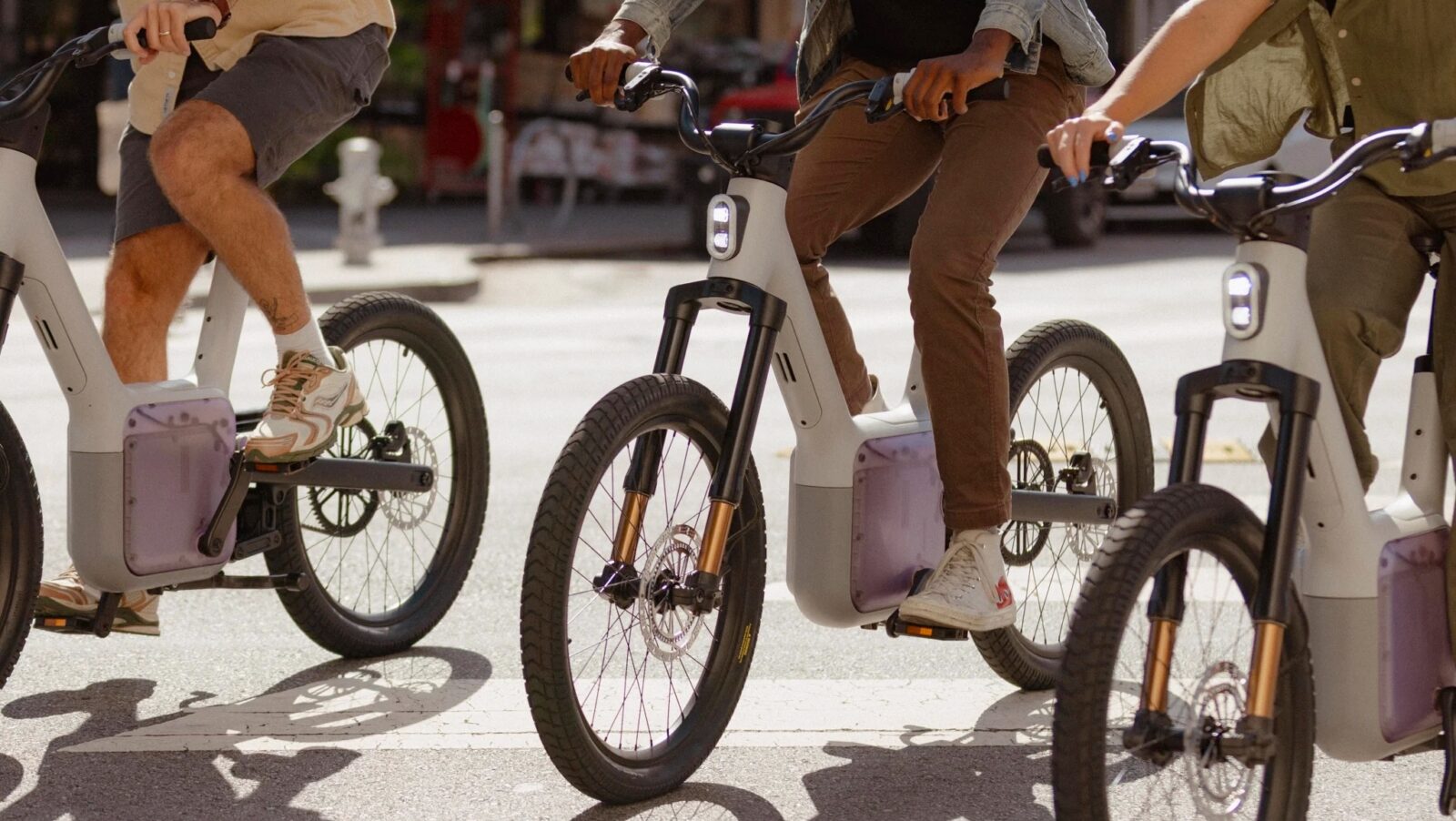
Achieving unicorn status, once rare, is now as easy as riding a bike … provided that bike has an electric-assist motor.
On Tuesday, e-bike startup and Rivian spinoff Also scored unicorn status with a $1 billion valuation in a new $200 million funding round, as the world grows weary of diesel dependency. But that’s not all: It also makes last-mile autonomous delivery drones, and on Tuesday, it announced a new partnership to help DoorDash grow its fleet of robot couriers.
Electric Pedal to the Metal
The billion-dollar valuation comes before Also bikes have officially hit the streets. In October, the company unveiled its flagship TM-B e-bike; it confirmed to The Daily Upside on Tuesday that it plans on beginning deliveries in “late spring.” Online reviewers have raved about early test rides, and the company has found myriad ways to innovate on the 200-year-old two-wheel technology. Notable features include a touchscreen display, a regenerative braking system for battery charging and top pedal-assist speeds of 28 miles per hour. The fully packed edition retails at $4,500, putting it in the lower end of premium e-bikes.
While the industry has spent the last year in a Chapter 11 shredder, a new “War Economy” at the pump is changing the math:
- Sales of e-bikes in 2025 reached $826 million, down from a peak in 2022 but up from 2023 and 2024. The downturn has nevertheless hurt the industry: Rad Power Bikes, which had a peak valuation of $1.65 billion in 2021, filed for Chapter 11 bankruptcy in December. Other industry heavyweights-turned-flops, such as EBC and Propella, went out of business.
- On the other hand, online searches for electric bicycles have surged to all-time highs in the past month as the war in Iran sparks a wave of energy anxiety, according to Google Trends data.
Special Delivery: Also isn’t putting all its eggs in the e-bike handlebar basket, however. In October, the company also unveiled a four-wheel “Quad” version for commercial delivery drivers and is developing autonomous delivery vehicles that can navigate bike lanes, shoulders and curbsides as part of the DoorDash partnership.