

Good morning and happy Friday.
The Department of Justice has thrown a flag on the National Football League’s offense, multiple outlets reported Thursday. Its investigation, ABC News said, comes amid concerns in Washington that the league is cutting deals with streaming services to broadcast only a small number of games, making NFL games more expensive for viewers.
Under the Sports Broadcasting Act of 1961, teams are afforded limited antitrust protections to collectively negotiate television broadcasting rights. But critics like Utah Senator Mike Lee, who chairs a judiciary subcommittee on antitrust, say the upshot is that it cost almost $1,000 for someone to watch every NFL game last year. The league defended itself in a statement, saying roughly 87% of games are shown on free, broadcast television. Presumably, that includes Las Vegas Raiders games, because who would pay to watch that?
In CapEx Manifesto, Amazon CEO Defends Billions in AI Investments
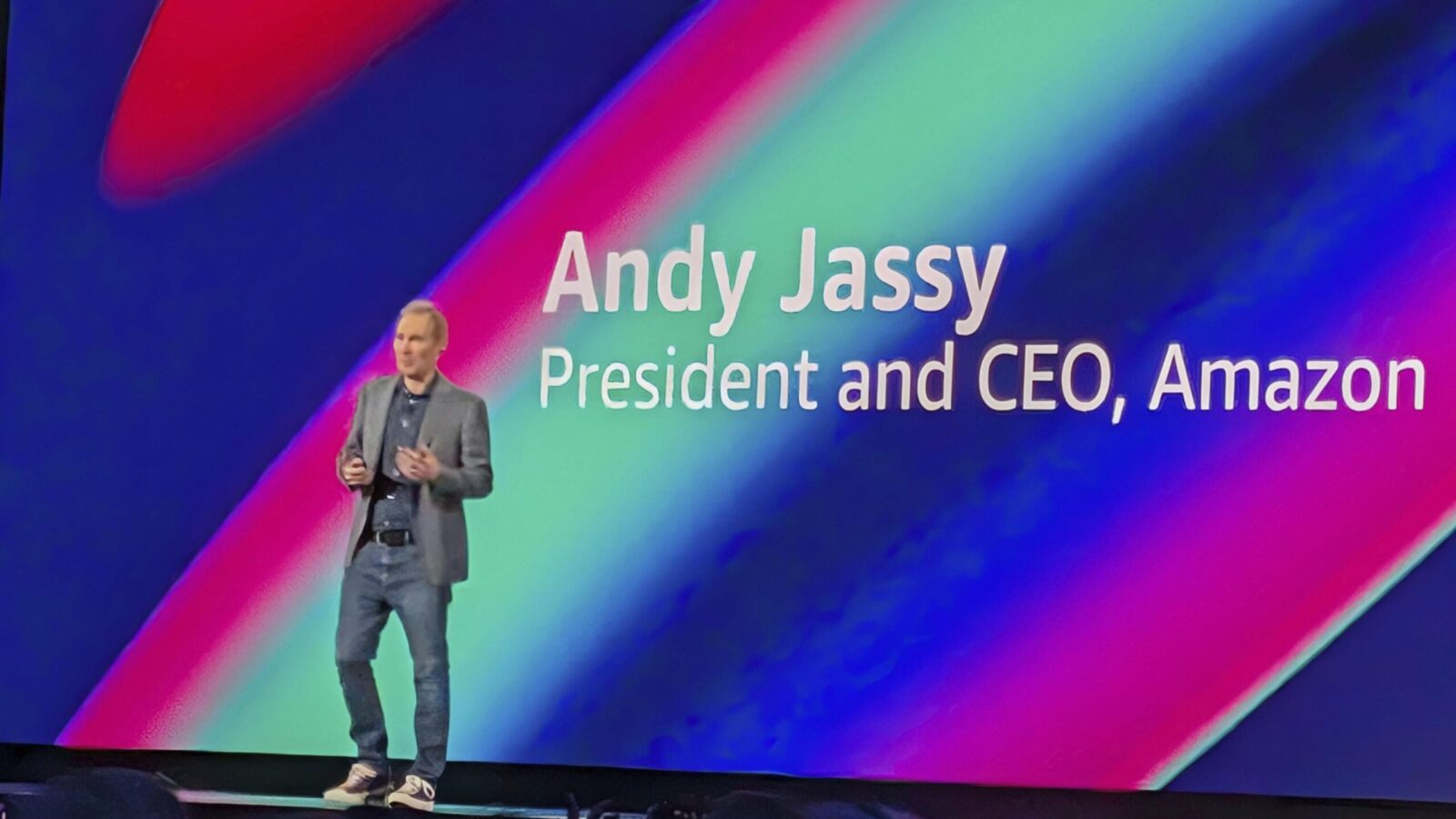
An indie rock band from New Zealand, Thomas Edison and the New York Rangers each had a cameo in Amazon CEO Andy Jassy’s latest letter to shareholders. In a sprawling manifesto published Thursday, Jassy shared his early aspirations to be a sportscaster, deployed a medley of golf terms and took a few swipes at competitors. He also doubled down on the company’s massive AI spending.
AI is a “once-in-a-lifetime opportunity where the current growth is unprecedented and the future growth even bigger,” Jassy wrote. Translation: What bubble? Of course, he has to say that. In early February, Amazon said it expected to spend $200 billion in 2026 as it pumps money into AI innovation. Investors hated the idea, and the stock price still hasn’t fully recovered.
“We’re not investing approximately $200 billion in capex in 2026 on a hunch,” Jassy’s now promising them.
The Old One-Two
The Amazon leader took a page out of the Regina George playbook (ahem, burn book) as he went after Nvidia, doling out back-handed compliments. “We have a strong partnership with NVIDIA, will always have customers who choose to run NVIDIA, and we will continue to make AWS the best place to run NVIDIA,” Jassy wrote, simultaneously signaling that the end of Nvidia’s chip dominance may be just around the corner. “Customers want better price performance,” he said, and Amazon’s Trainium chip can deliver.
Jassy’s 5,000-word manifesto had plenty of shade left over for the rest of the Valley:
- The CEO also namedropped Intel. “In the CPU space, virtually all of the workloads ran on Intel chips until we invented Graviton in 2018,” he wrote. Graviton, Amazon’s CPU chip, “is now used expansively by 98% of the top 1,000 EC2 (Elastic Compute Cloud) customers.” Rubbing salt in the wound, Jassy added that two large AWS customers have asked if they could buy all Amazon’s Graviton instance capacity this year. (The answer was no: “We can’t agree to these requests given other customers’ needs, but it gives you an idea of the demand,” Jassy said.)
- Jassy didn’t directly take aim at Elon Musk or his companies, but he did say that Amazon Leo, the company’s low Earth orbit satellite network, is scheduled to launch in mid-2026. Leo’s main competitor is SpaceX’s Starlink, which typically offers users download speeds of 45 to 280 Mbps and upload speeds of 10 to 30 Mbps. Amazon previously promised download speeds up to 1 Gbps and upload speeds up to 400 Mbps.
Staying Strong: Sticks and stones aren’t hurting Intel. The semiconductor’s stock has soared nearly 50% since the end of March amid news it would join Musk’s Terafab AI chip project and buy back Apollo Global Management’s stake in its Ireland chip plant. On Thursday, stockholders got another win with the announcement that Intel is expanding a chip partnership with Google.
Investors: Markets Don’t Wait

Volatility and shifting rates are defining today’s markets.
No matter how markets evolve, you can only take advantage if you have the tools to navigate them (and manage risk). Welcome to CME Group.
As the world’s leading derivatives marketplace, CME Group gives investors nearly 24-hour access to global futures and options markets, with a platform designed to help investors trade and manage risk when timing matters.
Interest rates, equity indexes, energy, agriculture … find every asset class you want and take action when you need. Whether it’s hedging existing positions or looking for new opportunities, CME Group helps investors stay prepared across changing market conditions.
Explore CME Group’s educational resources and tools to sharpen your strategy.
Golf Retailers Push Forward on a Tough (Economic) Course
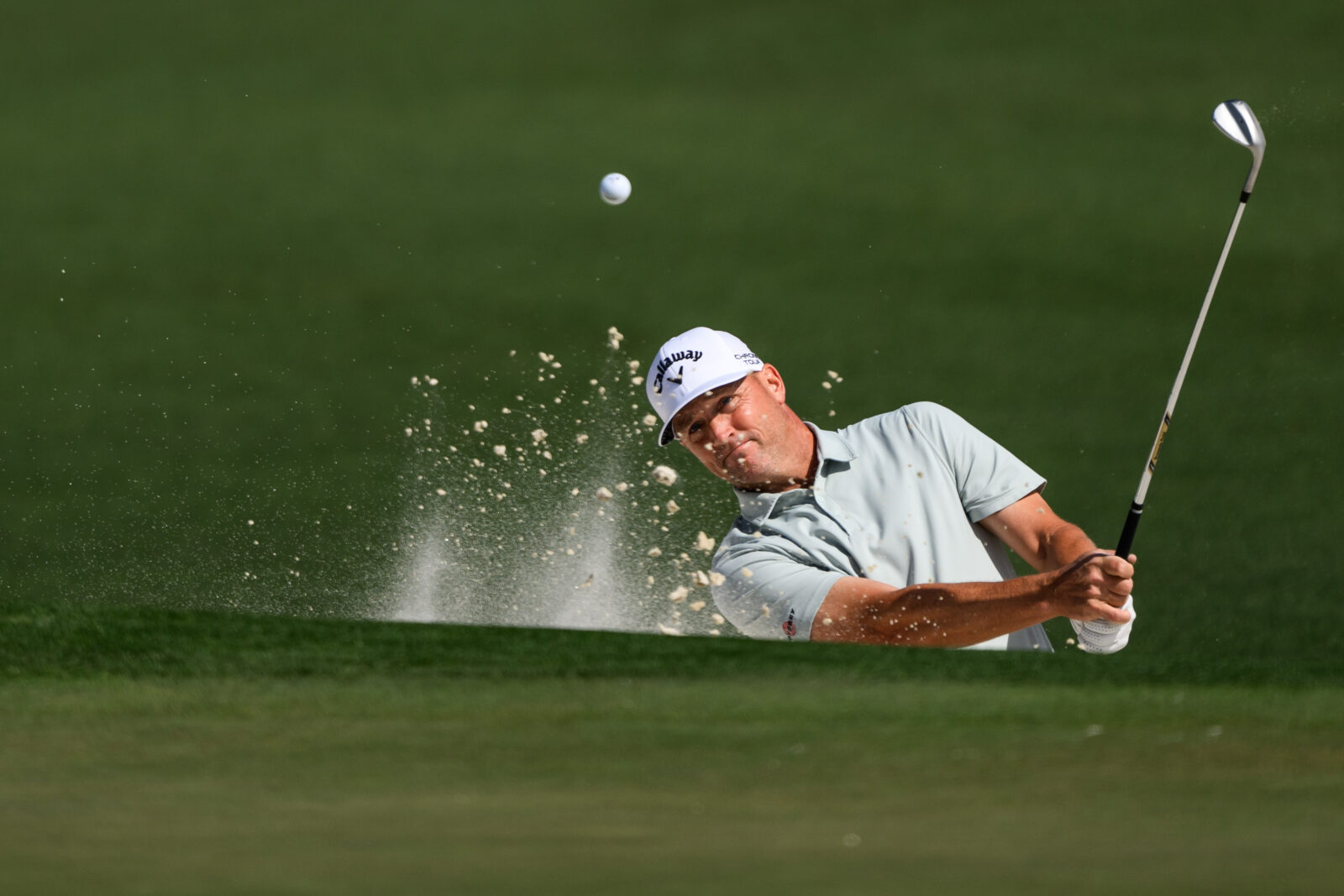
Shhhh!!! Or you could screw up Scottie Scheffler’s stroke.
The Masters Tournament, which began yesterday at Augusta National Golf Club, continues through Sunday when one bogey man will be fitted with the famous winner’s jacket in verdant Pantone 342 C. Considered by many the sport’s most prestigious event, the contest comes at a time when Americans are playing the most golf in two decades, but some firms have found that capitalizing on the economics requires expert-level finesse with metaphorical wedges and mid-irons.
No Handicaps
According to the National Golf Foundation, the number of players who hit the links annually in the United States has risen by more than 5 million over the past eight years. In 2025, it reached 29.1 million, within putting distance of the 2003 record of 30.6 million set during Tiger Woods’ superstar peak.
That’s been great for course operators, with nearly 70% telling the foundation they are in “good” or “excellent” financial shape. For equipment manufacturers, it’s more complicated, with inflation, tariffs and consumer sentiment colliding like a macroeconomic crosswind over the fairway. Publicly traded Callaway Golf and Acushnet, two leading makers of balls, clubs and other equipment, both reported in February that tariffs were squeezing their margins. Acushnet said it expected to incur $70 million in import taxes this year and Callaway $40 million (those figures may change since the Supreme Court struck down the Trump administration’s International Emergency Economic Powers Act levies). Tariffs have coincided with rising equipment prices, and while dollar sales are climbing, unit sales haven’t kept pace as consumers report inflation fatigue. It’s a tough course, but executives have made some big shots:
- Earlier this year, Callaway strengthened its balance sheet with the sales of outdoor apparel maker Jack Wolfskin and a 60% stake in sports-gaming businesses Topgolf, repositioning itself as a pure golf play. That helped the company pay down $1 billion in debt before leaders authorized a $200 million buyback program to reward shareholders.
- While Callaway is forecasting 2026 sales to be roughly flat around $2.1 billion, its shares are up 24% this year amid the streamlined focus. Acushnet forecasts 2.5% to 4.5% sales growth, and is up 23%.
Institutional Enthusiasm: An SEC filing this week revealed that Rochester-based advisory O’Keefe Stevens boosted its stake in Callaway, with the holding now 4% of the fund or more than Berkshire Hathaway. Given Callaway’s exceptionally high 12-month trailing price-to-earnings ratio of 69, that’s quite the vote of confidence.
1,000+ ChatGPT Prompts To Work Smarter, Not Harder

Most people barely scratch the surface of ChatGPT. This library of 1,000+ proven prompts helps you automate tasks, think faster and get better results in minutes. Join 1M+ professionals reading Superhuman AI. Sign up for free to get the prompts and a 3-minute daily AI brief.