

Good morning.
It’s the official end of the syringe phase of the obesity wars, but it still must sting to come in second.
On Wednesday, roughly three months after Novo Nordisk scored FDA approval for its Wegovy pill, Eli Lilly received FDA approval for its own GLP-1 weight-loss pill, dubbed Foundayo. The pharma giant is ready to play catch-up, saying it will begin shipping Foundayo from its consumer platform, LillyDirect, on Monday, with pharmacy and telehealth platform availability to come “shortly afterwards.” Just like the Wegovy pill, insured patients could pay as little as $25 a month for Foundayo; out-of-pocket costs may run from $149 to $349, roughly in range with Wegovy. So what’s next in the healthy-habit-building drug pipeline? We’re personally hoping for pills that promote daily flossing, or maybe an injectable that curbs social media doomscrolling.
New BP Chief Pledges “Consistency” after Years of Anything But
BP is betting a new leader from the Rockies can put a stop to a rocky patch.
Colorado native Meg O’Neill kicked off her first day as head of the British oil giant on Wednesday by pledging “clear direction and consistency” in a memo to employees. Shareholders of the company, which has spent years under a crude-dark cloud of strategic flip-flopping and executive turnover, would more than welcome some stability. Profitability that doesn’t lag behind rivals wouldn’t hurt, either.
Back to Petroleum
The first woman to lead one of the five biggest oil companies, O’Neill moved to London for the BP gig from Perth, Australia, where she ran Woodside Energy, the largest independent energy company down under. She is BP’s first external CEO hire in more than 100 years and, given the company burned through three of them in the preceding five years, looking outside was probably not a bad idea.
Paul Gooden, the head of natural resources at UK investment manager Ninety One, says BP got caught up in “noble cause corruption,” chasing failed green ambitions rather than creating shareholder value. In 2020, under Bernard Looney, the company pledged to slash oil and gas output by 40% and invest billions in renewables by 2030. When oil prices spiked after Russia’s 2022 invasion of Ukraine, it posted record profits, but the new strategy left it at a relative disadvantage to competitors and drew criticism that it was reducing exposure to oil and gas at the wrong time. To make matters worse, the renewables bet failed to gain traction, ultimately resulting in up to $5 billion in writedowns. Last year, BP made a full 180, announcing plans to invest billions more in oil and gas while slashing billions meant for green energy. Profits have been sliding, tumbling 16% to $7.5 billion last year, leading investors, including activist investor Elliott, which holds a 5% stake, to demand a more aggressive reset. Luckily, O’Neill’s background suggests she can deliver:
- O’Neill led Woodside through a $40 billion merger with BHP Group’s petroleum business, doubling its oil and gas production in the process.
- “We can safely accelerate performance and drive innovation, sustainability and growth,” she told BP staff on Wednesday.
A different issue she’ll have to contend with is BP’s heavy debt load, much of which can be traced to the $65 billion fallout from the 2010 Deepwater Horizon disaster and subsequent commitments to dividends and buybacks rather than paying down debt. In February, the company suspended its buyback program and plans to cut net debt to $14 billion to $18 billion by late 2027, down from $22.2 billion at the end of 2025.
Conflict-ing Information: The oil price shock caused by the Iran war could make paying down debt much easier if crude oil continues to trade at elevated prices. It has also turbocharged BP shares, up 33% this year, which is roughly on par with Exxon and better than Shell’s 24%.
The CEOs of NVIDIA, Tesla and Microsoft All Agree on One Secret

The world’s biggest tech CEOs agreed.
NVIDIA’s Jensen Huang called robotics a “once-in-a-lifetime opportunity.”
Microsoft’s Satya Nadella said 2026 is when AI will deliver massive impact.
Tesla’s Elon Musk predicted, “AI and robots will make everyone wealthy.”
Well, that opportunity’s here now as Miso Robotics leads the charge in using AI and robots to modernize the $1T fast-food industry.
Miso’s Flippy Fry Station AI robot has already logged 200K+ hours for brands like White Castle. And now they’ve just added iconic restaurant brands like Jersey Mike’s, Auntie Anne’s and Cinnabon as new customers as well.
With a new NVIDIA collaboration, strategic investment by industry leader Ecolab and a growing manufacturing partnership, Miso’s scaling across 100,000+ potential US fast-food restaurant locations, a $4B/year revenue opportunity.
And you can join them.
Artemis II Heads to Moon as SpaceX, Rivals Build Lunarconomy
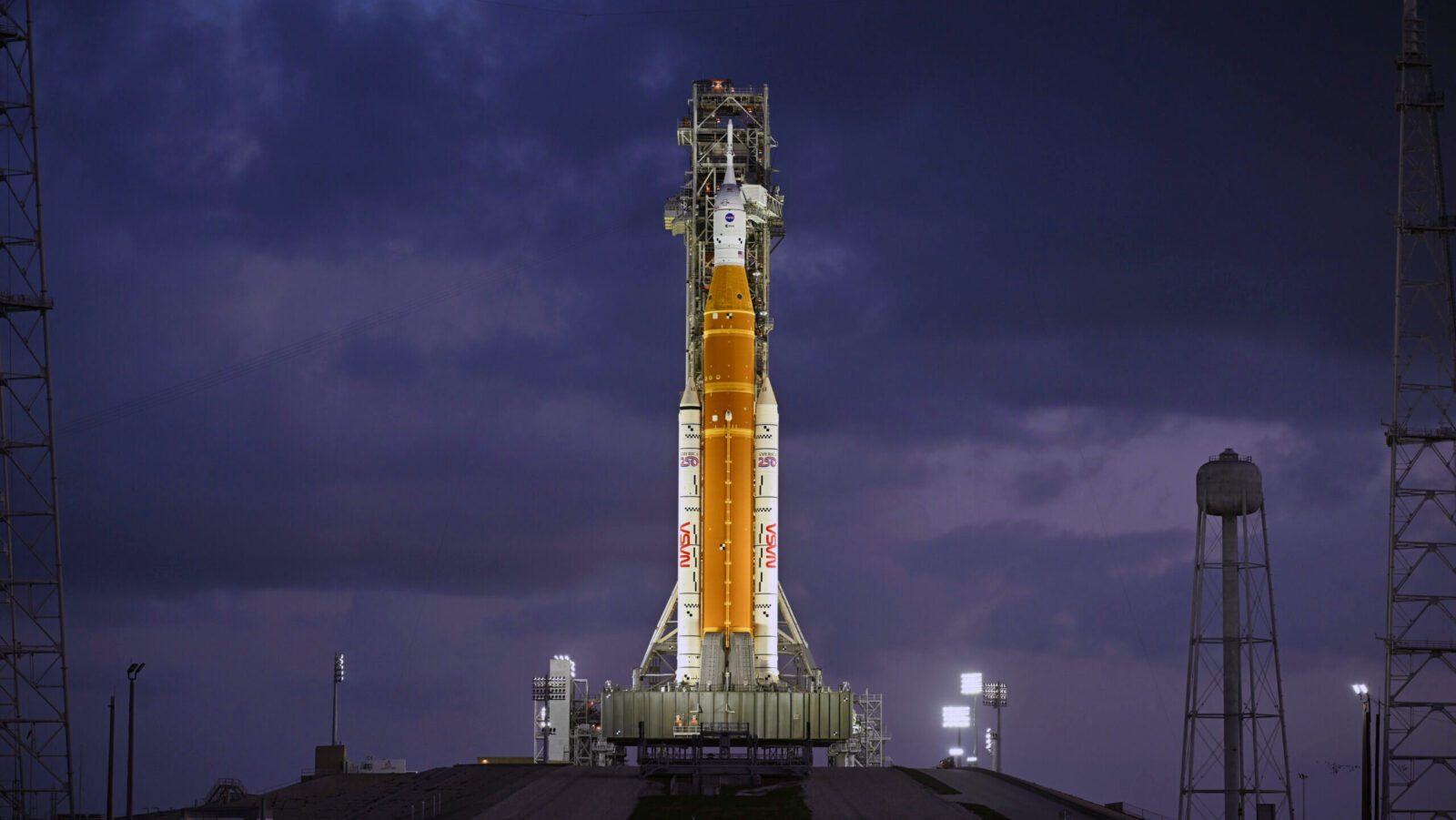
Artemis astronauts took off for the moon yesterday in the first crewed mission to Earth’s only natural satellite since 1972. Over the next 10 days, they’ll slingshot around the celestial body while testing the space capsule systems they’ll need for a future landing.
The mission is Part 2 of 5. Artemis I successfully flew an uncrewed spacecraft around the moon in 2022. NASA is targeting 2028 for the first group of humans to kick up razor-sharp moon dust with their space boots since Neil Armstrong & Co. during the Apollo era half a century ago.
As Americans get closer to touching down on Earth’s crater-covered cousin, NASA is teaming up with a host of private companies to build a lunar economy ready to welcome humans to the moon’s inhospitable surface.
The Moon Is Made of Cheddar
The green kind, not yellow. SpaceX, which confidentially filed for an IPO yesterday, is one of several companies with its sights set on the moon. CEO Elon Musk said last month that he wants to build a “self-growing city” on the moon within 10 years and that he’d prioritize his lunar ambitions over the startup’s previous focus on colonizing Mars. SpaceX is one of the companies to which NASA awarded a multibillion-dollar contract to build a lunar lander for the Artemis moon missions; Jeff Bezos’s Blue Origin also holds a contract to build an Artemis lander.
The roles of both companies may grow as Artemis missions progress, and NASA seeks cost-effective options beyond the legacy companies it has counted on so far. (The spacecraft launched yesterday was built by Boeing, Northrop Grumman and Lockheed Martin.)
Other companies contracted with NASA are building infrastructure on the moon:
- NASA plans to spend $20 billion constructing a base that’ll establish humans’ ongoing presence on the lunar surface. The plan will involve deploying a functioning system of hardware, from rovers to power generators, and contracting companies to make it happen.
- One of those companies, Intuitive Machines, scored its fifth award from NASA last week to help build lunar infrastructure. The startup plans to deliver seven payloads to the moon’s south pole, including lunar rovers and tools that’ll analyze chemicals and radiation levels.
Uncharted Territory: The moon doesn’t belong to any one country, even though Americans are the only humans to have set foot on it. Under the Outer Space Treaty of 1967, countries can’t claim sovereignty over a celestial body. However, the US passed legislation in 2015 that said countries can claim the resources they scour from space. Divvying up the moon could get complicated when other countries follow the US there. No. 2 economy China is planning a crewed lunar landing by 2030.
America’s 50 Biggest Companies. 12% Income Target

BIGY, the YieldMax® Target 12 Big 50 Option Income ETF, was built for income generation and long-term capital appreciation. It aims for 12% annualized income through a transparent, rules-based options strategy while maintaining exposure to 50 of the largest American companies — and seeks to pay monthly distributions. Learn more about BIGY’s standardized performance.
Sandisk Stock Nearly Triples in Record Quarter
If you’ve been thinking about replacing your suddenly sputtering laptop, sooner might be better than later.
An AI-driven run on flash computer memory has driven up prices on all sorts of consumer electronics. That’s bad news for you, but great news for memory-supplier Sandisk, whose shares just capped the best quarterly run in their history. But can the memory maker print good memories forever?
Do You Remember When?
Shares of Sandisk surged 168% in the first three months of the year and have gained more than 1,345% over the past 12 months as massive demand for flash memory in AI chips benefits shareholders. Sandisk, which reports its third-quarter earnings April 30, has forecast revenue of $4.4 billion to $4.8 billion, blowing past the roughly $2.9 billion Wall Street expected.
Most analysts expect the memory shortage to last through 2028, and it’s already causing consumer headaches:
- Sony announced Friday it would raise the price of its base PlayStation 5 by $100 and the PlayStation 5 Pro by $150, and said it would suspend fulfillment of consumer memory card orders due to a global shortage. Sandisk, meanwhile, has dramatically increased the prices of its consumer memory cards over the past year; a 256-gigabyte card now costs $179, up $100 from a year ago.
- Raspberry Pi, which makes ultra-cheap computer boards popular among DIY AI enthusiasts, announced on Wednesday its third round of price hikes since December. The 16 GB Raspberry Pi 5 now costs $220, more than twice the price at its January debut.
Have a Gas: Sandisk’s record quarter comes even after a bumpy end to March. The company’s shares took a double-digit freefall last week as investors digested the news that Google’s AI researchers cracked the code to an ultra-efficient AI memory compression algorithm. The war in Iran has also disrupted the memory chip industry’s supply chain for helium, a crucial input that’s a byproduct of natural gas processing. Still, one helium industry consultant told The New York Times last week that the tech industry will “outbid anybody” to get its helium supply.
Extra Upside
- Brentrance: UK Prime Minister Keir Starmer announced his country will seek deeper economic and security ties with the European Union because of the shock unleashed by the US war with Iran.
- Valentine’s Splurge: American consumers opened their wallets in February, as a 0.6% increase in retail spending trumped economists’ expectations.
- 7 Ways To Achieve A Comfortable Retirement. Retirement planning shouldn’t be complicated. The Definitive Guide to Retirement Income can help you feel confident about your financial future. Explore seven income streams to help keep a $1,000,000 portfolio growing for years to come. Learn more.**
**Partner
Just For Fun
Disclaimer
*This is a paid advertisement for Miso Robotics’ Regulation A offering. Please read the offering circular at invest.misorobotics.com.

