

Good morning.
What do financial advisors and pro ping-pong players have in common? Both are used to a little back-and-forth, and they’re both prone to AI employment disruption.
On Wednesday, Citigroup unveiled “Sky,” its new AI avatar, soon to be available to the bank’s wealth management clients. In an interview with Barron’s, Citi’s head of wealth, Andy Sieg, insisted Sky is “more than just a chatbot” while describing how the always-on AI will be able to give detailed information on clients’ portfolios. Also, on Wednesday, the eggheads over at Sony’s AI team unveiled “Ace,” the first-ever table tennis-playing robot capable of beating pro-level ping-pong players (notably without any prior knowledge of any specific player’s play style). As far as AI advancements go, both Citi and Sony’s advancements feel a bit run of the mill to us at this point. Still, we’d much rather any once-in-a-blue-moon AI hallucination misread a sick backhand slice than accidentally tank a retirement fund.
Time to Revoke Tesla’s Magnificent Seven Card?
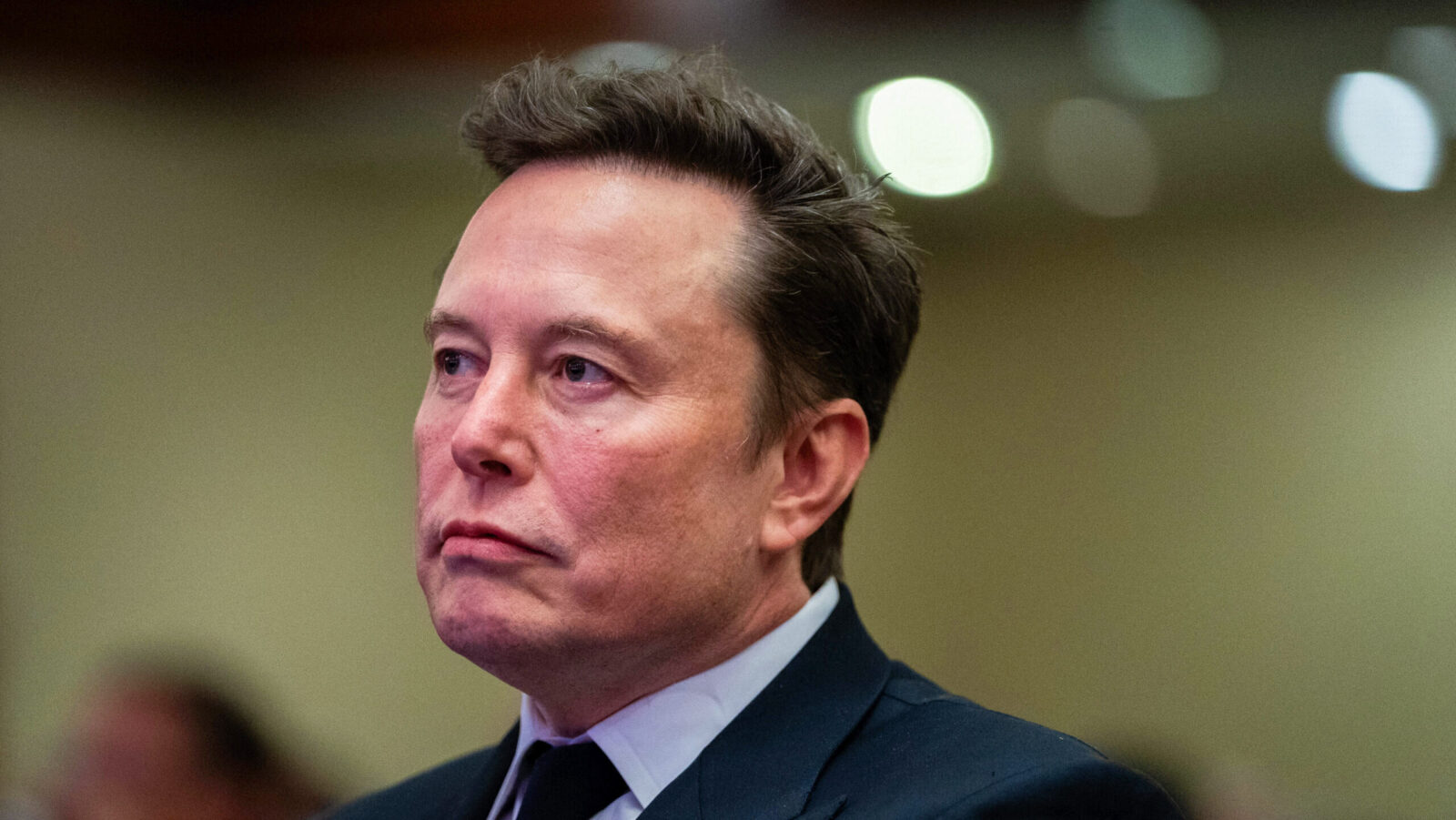
For Tesla, the future can’t come soon enough. Though the company can’t flip on autonomous driving cruise control in the meantime, either.
An all-time share price peak reached in December signaled that investors now view Tesla as a future-forward robotics and robotaxi business rather than a pure EV play. But Tesla’s share price has plummeted more than 20% since, even as the S&P 500 climbed to its own record high. And as the world awaits its robo-future, Tesla’s first-quarter earnings report on Wednesday showed its present-day core businesses are continuing to sputter.
So what does that make Tesla in 2026? A Magnificent Seven outlier, for one thing.
Riding Solo, So Low
Tesla did report a revenue beat on Wednesday, notching nearly $22.4 billion in total sales in Q1, a touch ahead of FactSet’s calculated consensus expectations of just under $22.3 billion. That would be nice if Wall Street hadn’t already dramatically lowered its expectations. According to a Bloomberg analysis, analysts had slashed their Q1 expectations by 30% in the past six months.
Still, Tesla has been trading as an aggressively future-focused play, a stark contrast to its Mag 7 peers. Shares of Tesla trade at around 183 times forward earnings, making them the third-most-expensive S&P 500 member (behind only Boeing and the Ellison-inflated Warner Bros. Discovery).
Tesla has been the worst performer among the Mag 7 since its December 16 peak, and its first-quarter results reinforce the reasons many have subbed the company out of the Mag 7 for chipmaker Broadcom:
- Tesla delivered 358,023 vehicles in Q1, down 14% quarter-over-quarter and missing expectations. While it did amount to a modest 6% rise year-over-year, 2025’s Q1 had artificially deflated sales figures due to a Model Y production shutdown amid factory firmware updates; distressingly, Tesla built around 50,000 more cars than it sold in Q1.
- Worse, Tesla’s battery unit, long the quiet backbone of the entire business, is also running out of juice. Total storage deployment plummeted 15% in the quarter, defying expectations of an increase by most analysts. Battery and solar revenue had increased more than 350% from 2021 through 2025.
Blessing and a Cursor: Tesla has delivered a few caveats of upside. Its robotaxi service expanded over the weekend to Houston and Dallas, after previously operating exclusively in Austin. Meanwhile, the firm is working hard to swipe public contracts from traditional Detroit players. Elsewhere in Muskworld, the soon-to-IPO SpaceX on Wednesday said it struck a deal with the option to acquire AI-coding startup Cursor “later this year for $60 billion or pay $10 billion for our work together.” If investors see Tesla as a singular bet on Musk’s singular ambition and vision, a SpaceX launch into public orbit renders the EV-player no longer all that singular.
Boeing’s Delivery Win May Signal Clearer Skies Ahead
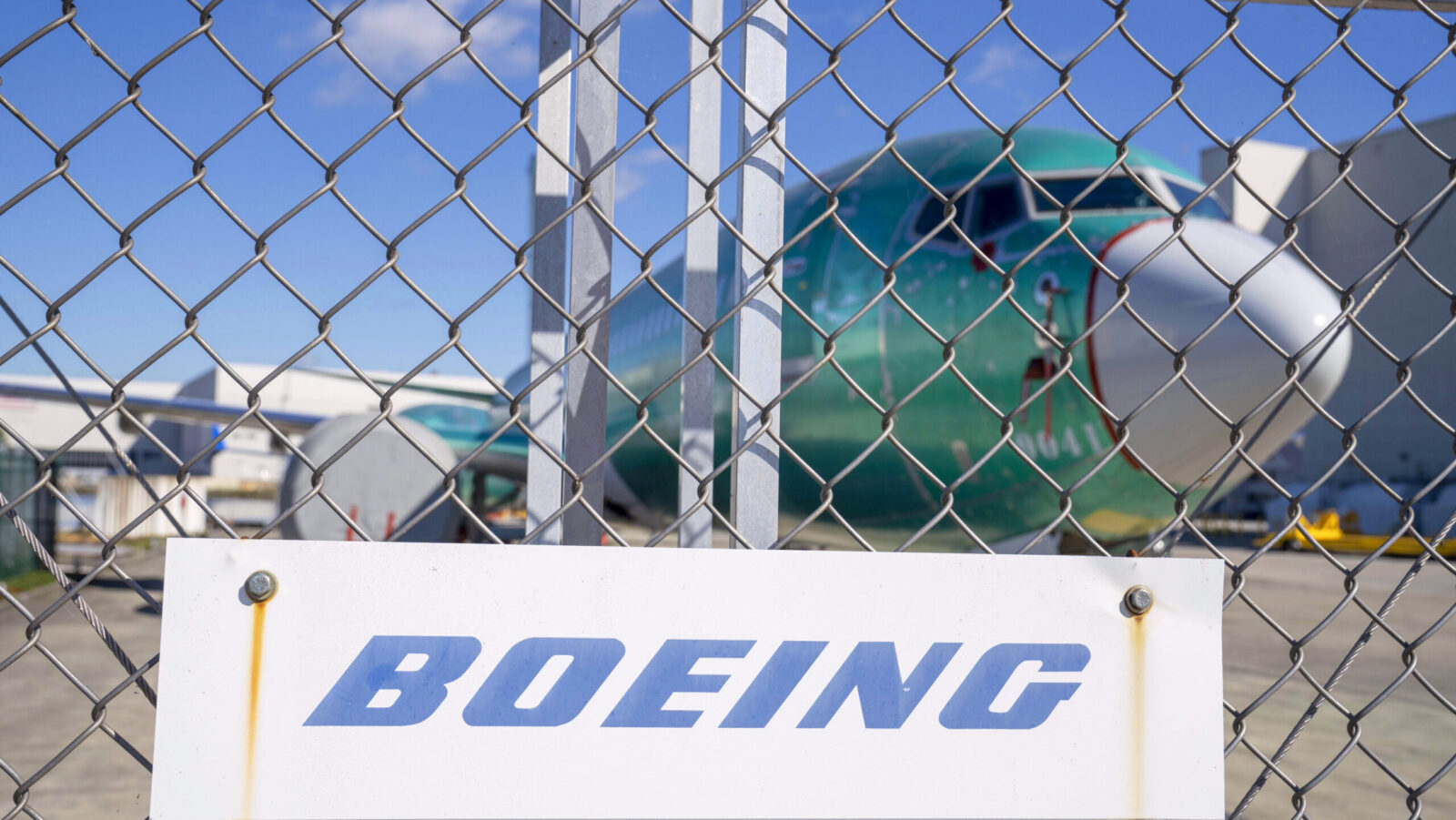
Boeing is texting 143 to investors after it delivered 143 commercial jets last quarter and the jet-maker’s stock rose 5%. The nostalgic number represents a 10% uptick in Boeing’s deliveries from last year. Sales climbed 10% as Boeing narrowed its losses from $31 million in the same quarter last year to $7 million this go-round, led by its commercial unit.
Sales in its smaller, but still sizable, defense biz soared 21% as US military orders for fuel tankers, choppers and spacecraft poured in. Boeing’s said to have built an $86 billion backlog of defense-related orders.
Boeing’s pushing for a return to profitability after years of turbulence. How high it can soar depends on ramped-up production of its 737 Max planes — the same line that saw a door plug blow off into the sky in early 2024, taking customers’ trust and clients’ orders with it.
Maxing Out Potential
Biscoff cookies weren’t enough to soothe fliers’ fears afterward. The incident compounded concerns following two deadly crashes in 2018 and 2019, and the company’s been trying to regain cruising altitude ever since, bringing on Robert “Kelly” Ortberg as its crisis-time CEO. After years of procedural overhauls, Ortberg said “all systems are go” for the Max line:
- Boeing plans to churn out 47 737 Max aircraft a month, up from its current rate of 42. Making more than that will require a green light from the Federal Aviation Administration, which capped the plane’s production after the mid-air mishap. Boeing said it expects to start delivering two new models from the 737 Max line next year.
- Boeing could also see a major order from Beijing for a reported 500 737 Max jets. A deal hinges on the Trump administration’s support and efforts, Ortberg told Reuters yesterday. President Trump is scheduled to meet with Chinese President Xi Jinping next month. China’s also in talks to order the same number of jets from rival Airbus.
Heated Rivalry: Airbus orders poured in after Boeing’s door-plug debacle. But Boeing bounced back, outselling Airbus last year for the first time since 2021 and edging out its competitor in terms of deliveries last quarter for the first time since 2018. Alaska Airlines backed Boeing with its largest fleet order ever in January, while other carriers chose Boeing for its fuel efficiency and wide-body options. Spirit Airlines, which could soon score a Trump rescue package, canceled its upcoming Airbus orders last year.
See How Betterment Makes It Easy to Manage Your Investing

When investors get anxious, Betterment provides tools to help you stay on track. From automated bond portfolios to high-yield cash accounts, we offer diverse ways to put your money to work. Learn how Betterment can help you navigate market volatility and keep your strategy steady.**