
Good morning and happy Friday.
There’s weird weather. And now there’s suspicious weather.
A sudden spike in temperatures recorded at Paris-Charles de Gaulle airport earlier this month prompted the country’s local weather forecasting service to file a police complaint alleging malicious third-party interference, according to a recent Financial Times report. But who stands to gain from manipulating thermometers? At least a couple of users on Polymarket, that’s who. Per the FT, the seemingly random surges coincided with a handful of hefty wagers on temperature changes placed on the ultra-popular predictions market, with one user scoring $13,990 on a $30 contract with a payout probability of only 0.2%. We’ll just say this: If you’re looking for a surefire payout, you’ll raise fewer eyebrows betting on the Knicks to inexplicably blow a double-digit playoff lead in front of the Madison Square Garden faithful Monday.
Netflix Pitches ‘Buyback-and-Chill’ Strategy
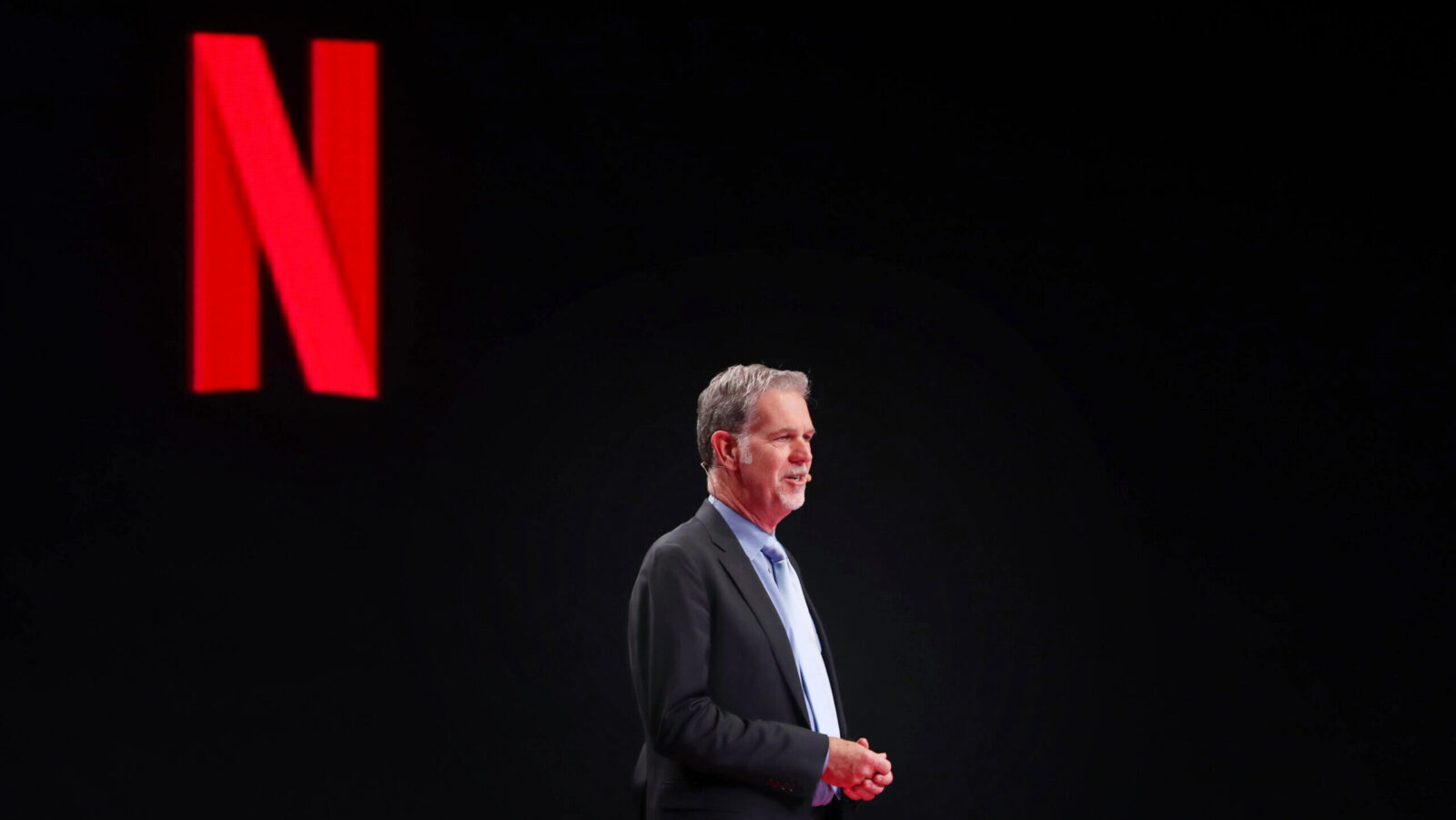
When you’re unlucky in love, sometimes all you can do is work on yourself.
After missing out on would-be Hollywood partner Warner Bros. Discovery (WBD), Netflix is looking inward. On Thursday, as WBD shareholders finally gave their stamp of approval to the company’s tie-up with Paramount Skydance, Netflix was too busy kicking off a massive share buyback program to notice. Still, it’s too soon to tell who’s winning this breakup.
Winning is Losing
The Netflix story has had more twists and turns this year than the final season of Stranger Things. First, when the company seemed to win the bidding war for WBD, shares fell some 9%. Then, when Paramount submitted a final winning counteroffer, forcing Netflix to bow out, shares bounced back some 10%. Investors saw winning as losing and losing as winning.
But the good vibes haven’t lasted, and the market is now back to wondering if WBD was the one that got away. A first-quarter earnings beat last week was overshadowed by news that Reed Hastings, its co-founder and chairman, would step down in June and, worse, by weak second-quarter guidance suggesting growing subscriber churn. Shares have fallen 13% in the week since its earnings call, though not everyone is buying the doom story. “I am surprised by how negatively the market has reacted to Netflix’s earnings,” Third Bridge sector analyst John Conca told The Daily Upside. “I think the fear of churn is mitigated by what is expected to be better monetization in the ad-supported tier.”
Now, Netflix is hoping it can deliver the type of pick-me-up its sagging share price needs:
- The company is authorizing a massive $25 billion share buyback program, according to an SEC filing on Thursday. That’s in addition to the $6.8 billion \remaining in a $15 billion buyback program launched way back in December 2024.
- The move will return some cash to shareholders, potentially boosting its share price along the way (its stock still dipped some 0.4% Thursday). The decline followed company leaders vowing to invest $20 billion this year “in quality films and series” after backing away from its $72 billion WBD bid.
Outtakes: The buyback plan is only half of Netflix’s post-WBD story. Since then, the company has also acquired an AI startup led by Ben Affleck and launched kids-focused gaming app Netflix Playground. On Wednesday, reports surfaced that it was in final talks to buy the historic Radford Studio Center lot in Los Angeles, where Seinfeld and Gilligan’s Island were filmed, to shore up its real estate footprint. And, yes, since walking away from WBD, it has also announced another round of subscription price hikes.
White Castle Is Now Expanding at .001% the Cost
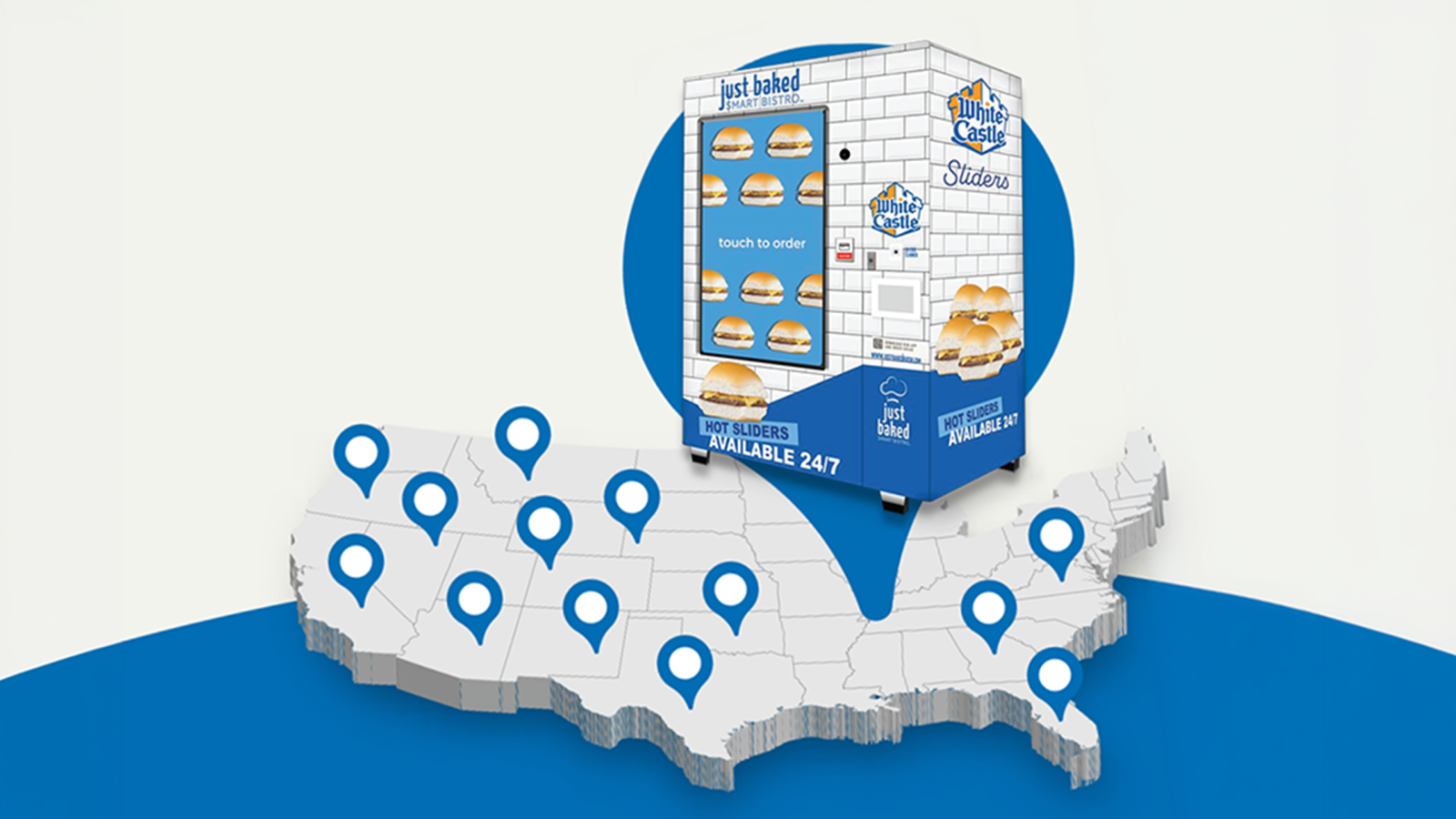
Not with brick-and-mortar stores. With robotic kiosks from ART. ART makes serving hot meals 24/7 possible at .001% the cost of a full restaurant. Now, expanding’s as simple as plugging it in, stocking it and turning it on. No wonder names like Sysco, Nestlé and Aramark are also partners. Get guaranteed ART investor bonus stock by 4/25.*
American Joins Airlines Buckling Up for Soaring Fuel Costs
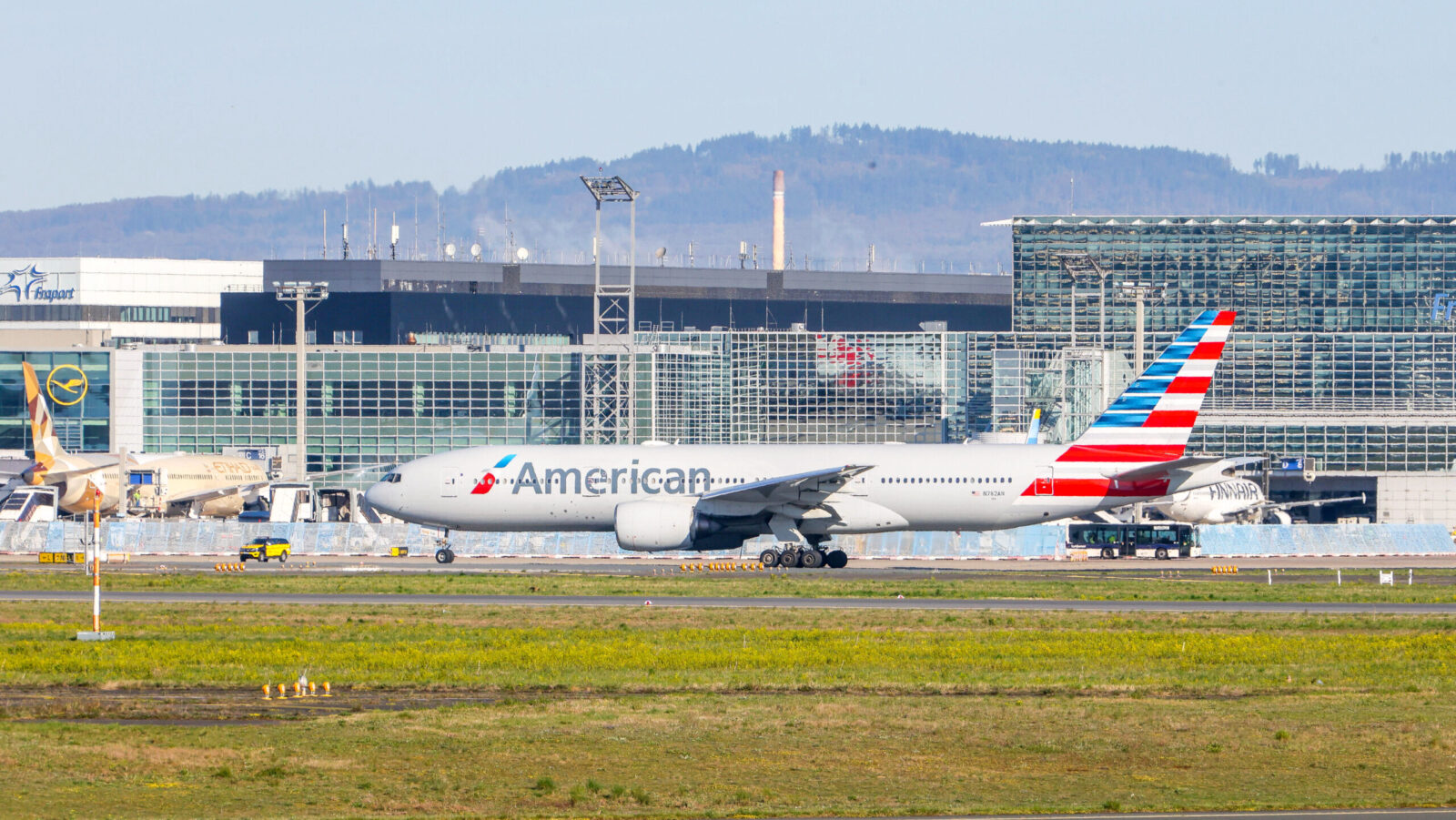
Pain at the pump has hit the tarmac, with American Airlines slashing its forecast amid high fuel costs. The carrier’s new prediction sees it facing a possible loss for the year, with its outlook ranging from a 40-cent-per-share loss to a $1.10 profit. Before the Iran war, American had predicted at least $1.70.
The airline expects to spend an extra $4 billion on fuel this year. Fuel typically accounts for a quarter of carriers’ expenses, but that proportion’s likely to spike dramatically after prices nearly doubled. As the conflict in the Middle East continues, airlines are preparing for the equivalent of a long-haul red-eye flight to cope with fuel costs.
Ain’t Kerosene Nothin’ Yet
Anyone who’s price-shopped for flights recently knows that American isn’t the only carrier grappling with high fuel costs. United on Wednesday cut its annual forecast but still expects at least a $7 per-share profit even if fuel prices continue to climb. Delta, which expects to spend an additional $2 billion on fuel this year, and Southwest, which has enough problems of its own, didn’t update their full-year forecasts.
Airlines are looking to recoup some of the money they’re literally burning (as fuel):
- United is slashing its scheduled flights by about 5%, and Germany’s Lufthansa said this week it’ll nix 20,000 flights to save on fuel over the next six months. Most airlines are also passing fuel costs down to customers, with all the big US carriers charging more for checked bags. United may raise ticket prices as much as 20%, and Alaska said flights in core markets have already spiked that much.
- American and Alaska are considering an expanded team-up, Bloomberg reported Wednesday. The duo could coordinate flight scheduling and pricing, then split the revenue. The partnership would give American more wings on the West Coast and shore up its position against more profitable rivals.
Piña Colada Premium: Americans aren’t ready to give up their tropical summer vacays. Demand has remained resilient so far, but with many travelers booking a few months out, airlines could see tighter margins than they expected on summer flights booked before the Iran war.