

Good morning.
In February, Burger King said it was launching an AI-powered assistant, connected to the headsets of front-facing employees, that would monitor whether they used polite courtesies like welcome, please and thank you. Starbucks is taking a less Orwellian approach, making it potentially lucrative to be nicer to customers.
On Thursday, the coffee chain said it will offer baristas annual bonuses of up to $1,200 if their location meets or beats certain customer service, sales and operational targets. Starbucks will also allow tipping on mobile and on scan-and-pay orders. As a result of both initiatives, employees could see their pay rise as much as 8%, the company said. If you get a smile at Arby’s or Dunkin’s, meanwhile, at least you’ll know it’s real.
Looming “Oil Cliff” Pinches Airline Profits, Traveler Wallets
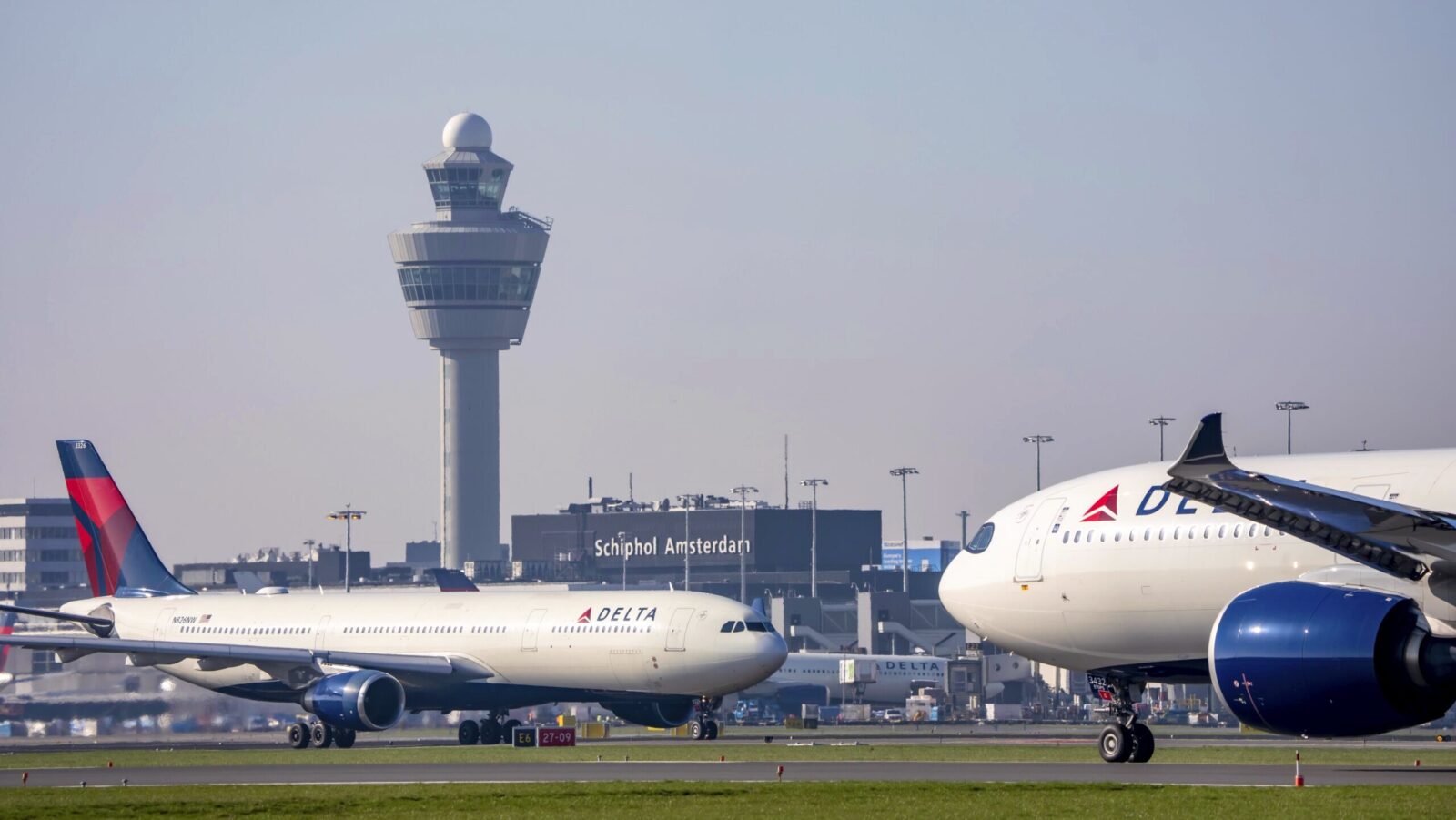
While there’s never a bad time to visit Maui, your wallet would have preferred a February booking.
The world will be short some 350 million barrels of jet fuel and other refined crude products by the end of April as the war in Iran keeps the Strait of Hormuz closed, Ryan McKay, TD Securities senior commodity strategist, said in a note published Thursday. It’s enough to make travelers rethink their summer plans and poses a serious threat to the aviation industry’s margins. The sky is falling … though some airlines are a little less exposed than others.
Postcards from the Edge
Average jet fuel prices across the globe have risen faster than oil prices, soaring about 100% in the month since the Iran war started, according to the International Air Transport Association. There’s a chance (perhaps a likelihood) that the worst is ahead. Compounding supply losses are pushing the world toward an “oil cliff” come April 19, barring a quick de-escalation, according to a note from BCA Research geopolitical strategist Marko Papic. A primetime speech from the White House on Wednesday didn’t exactly soothe concerns; Brent crude oil prices jumped 7% on Thursday to $108, while US crude jumped 11% to $111.
JetBlue has raised its baggage fees to counter higher costs, while flag carrier Korean Air told staff it must shift to an “emergency” mode; fuel typically accounts for 30% of carrier costs, and the shortage could double that. Overall, data from the flight information group OAG shows the average airfare over the past week was $465, up about 25% year-over-year and at least a seven-year high.
The US just so happens to be sitting on a massive jet fuel stockpile, but experts aren’t sure there’s enough to go around:
- As of last week, US jet fuel stocks reached a five-year high of 27.5 days’ worth of fuel, Hartree Partners commodities trading strategist Edward Morse told The Financial Times. But “it’s not going into exports, it’s staying here [in the US], and that’s because users want it,” Hartree added.
- Europe, meanwhile, has enough jet fuel to last through April, Bloomberg reported Wednesday, but the industry could encounter shortages in May if the situation continues.
Don’t Worry, Darling: The US Global Jets ETF, which holds shares in dozens of global airlines, has tumbled more than 10% in the past month. Among major US airlines, Southwest has been hammered the worst, down more than 22% in the past month, while Delta, which reports quarterly earnings next week, has actually climbed nearly 4%, thanks to its pricing power. Meanwhile, shares of Darling Ingredients, which turns food waste and animal fats into various energy sources, have soared more than 70% this year. When life gives you garbage and a global energy crisis, you play the hand you’re dealt.
1,000+ ChatGPT Prompts to Help You Work 10X Faster

Most people use ChatGPT like Google and miss its real power. These 1,000+ proven prompts help you solve problems in minutes instead of hours. Join 1M+ professionals reading Superhuman AI to get the prompts plus a 3-minute daily newsletter with practical AI tools and workflows. Claim your free prompts.
New Labor Data Rings Death Knell for the ‘Great Resignation’
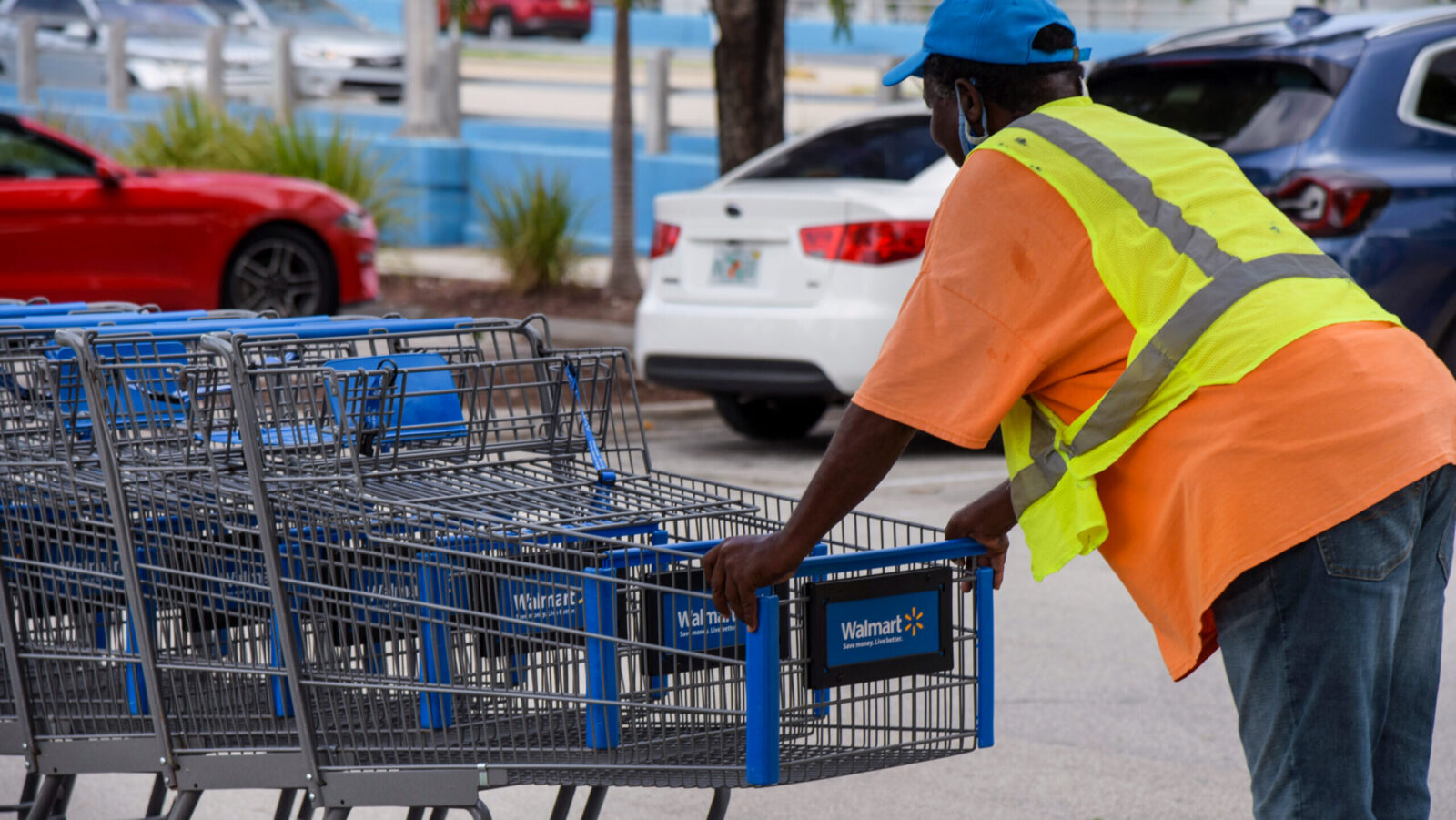
It’s been roughly four years since Kim Kardashian nearly broke the internet (again) with her claim that “nobody wants to work these days.” How times have changed.
Back then, the US economy was in the throes of what became known as the “Great Resignation,” during which an unprecedented number of workers quit. But the latest data from the Bureau of Labor Statistics shows that only 2.97 million workers voluntarily left their jobs in February, the lowest level since August 2020.
“Today’s labor market tells a completely different story compared to the ‘Great Resignation,’” Sneha Puri, an economist at Indeed Hiring Lab, told The Daily Upside. “In late 2021 and early 2022 … workers felt empowered and felt that they had options to leverage.”
But the quit rate of 3% then has since fallen to below 2%. Workers aren’t confident about the state of the labor market, so they’re hanging on to the job they’ve got.
Devil You Know
If you’re pessimistic about your chances of escaping a bad boss or long commute, you’re not alone. Just 28% of workers say it’s a good time to find a quality job, down from 70% in mid-2022, according to Gallup data. Although understandable, that caution comes at a cost.
“A labor market without movement is one without dynamism; fewer workers switching jobs means less wage competition, slower career advancement and ultimately a drag on broader economic momentum,” Puri said.
But resignations aren’t the only data that economists are watching in this low-hire, low-fire environment:
- Just about 4.8 million workers found work in February, meaning that hiring has fallen to its lowest rate since 2020.
- The layoff rate inched up from the previous month: 1.1% in February after 1% in January.
Limbo for Longer: Looking ahead, Puri said workers may be even less inclined to leave jobs voluntarily, with inflation starting to creep up and wage growth slowing amid broader political instability. “We expect the quits rate to stay low as the labor market continues to be in this limbo,” she added.