

Good morning.
Citrini Research, whose AI doomsday report triggered a panicked market selloff in February, sent an anonymous number cruncher to the Musandam Peninsula in Oman, which lies directly south of the Strait of Hormuz, last month to brave the waters by boat and tally vessel traffic in the world’s most crucial oil chokepoint. The takeaway: Iran hasn’t closed the Strait completely.
They found that roughly 15 ships per day have made passage, well below normal times but well above the total closure some have feared. Some tankers, Citrini found, disabled their automatic identification system, meaning they went undetected by many observers. The analyst, who is now “safe and sound” and out of the Strait region, claims to have at one point hopped into the water and swam, “cigar in my mouth,” nodding at a smuggler passing by with a cigarette in their mouth as they inspected the traffic. On the other hand, Citrini wrote it was inspired by the late author and essayist David Foster Wallace (who visited more conventional locales like lobster festivals), so it’s hard to tell if the cigar bit was a form of finite jest.
Were the Cockroaches Alone? Dimon IDs Malodorous Mammal at Economy’s Gates
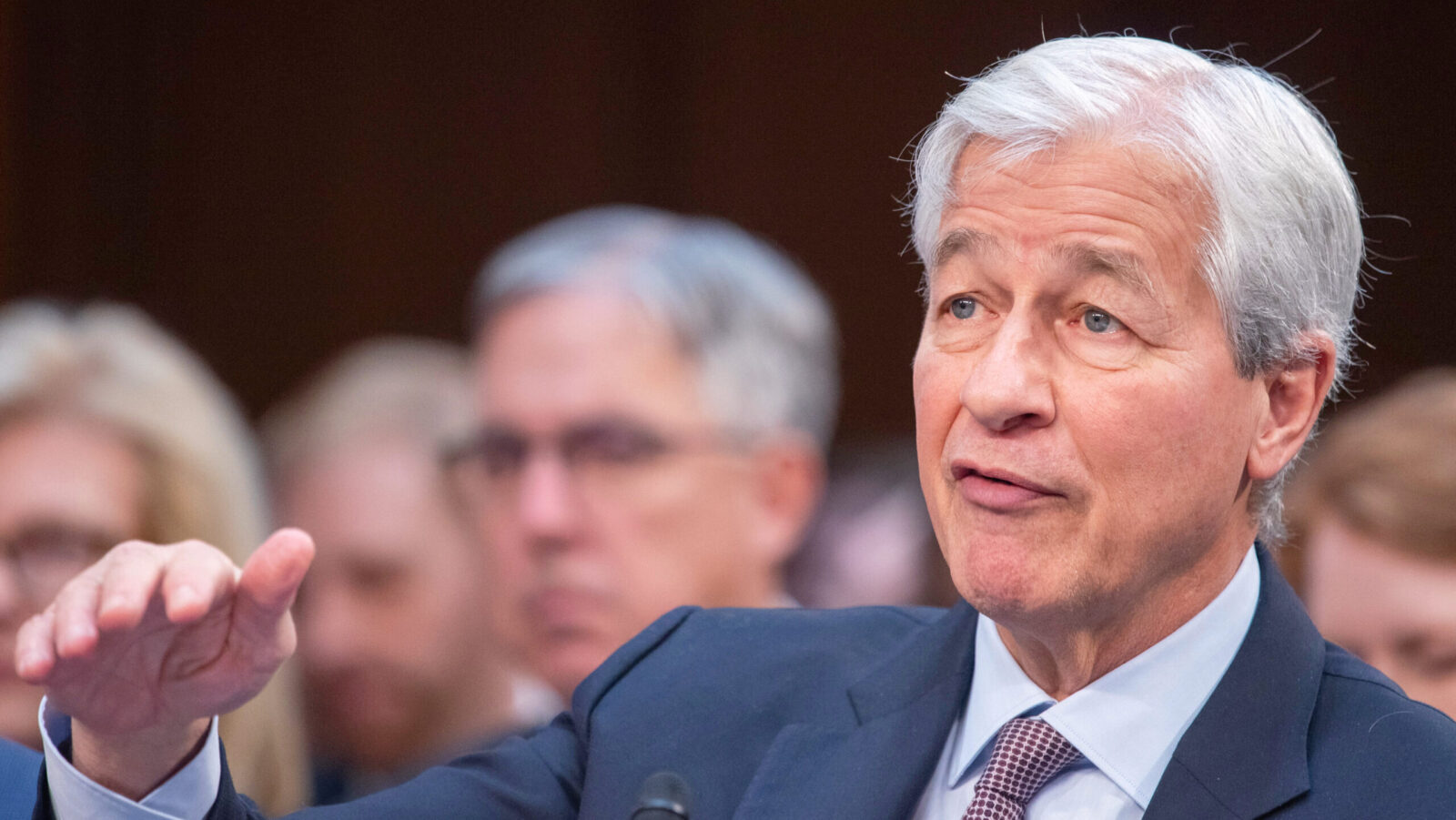
Jamie Dimon’s metaphorical animal kingdom has a stinky new addition.
The outspoken CEO of the world’s biggest bank by market value, who famously likened private credit defaults to cockroaches last fall, released his annual investor letter on Monday. Ongoing wars in Ukraine and Iran, he wrote, have him concerned about an economic “skunk at the party” that could pair high inflation with tanking asset prices.
Unlucky Number Eight
With Warren Buffett handing over penman duties at Berkshire Hathaway to his CEO successor Greg Abel, Dimon’s annual letter to shareholders is now arguably the premium destination for sage metaphors, witticisms and prognostication from a straight-talking corporate leader at a firm whose size allows a 360-degree view of the US and global economies.
This year, Dimon highlighted eight “larger risks we should keep our eyes on”: high asset prices that could become rapidly decreasing ones, trade battles that could realign the world economy, ever-complicated US-China relations, private markets and the lack of companies choosing to go public, AI risk, private credit, and geopolitics including soaring government deficits and debt. While the S&P 500 gained 0.4% on Monday as traders pin their hopes on US-Iran negotiations, the impact of the war is undeniable. One need only look at the price of oil by the barrel or gas at the pump, which has spurred investor fears of inflation severe enough to halt central bank interest-rate cuts. Traders now believe there’s more than an 80% chance that the Federal Reserve holds rates steady until the end of the year, up from less than 15% a month ago, according to CME Fedwatch. And so goes Dimon’s reasoning:
- “The skunk at the party — and it could happen in 2026 — would be inflation slowly going up, as opposed to slowly going down,” he wrote. “This alone could cause interest rates to rise and asset prices to drop. Interest rates are like gravity to almost all asset prices. And falling asset prices at one point can change sentiment rapidly and cause a flight to cash.”
- But it wouldn’t be Wall Street without a hedge. Dimon also offered a list of tailwinds that he believes are helping the economy right now: the fiscal stimulus of the One Big Beautiful Bill that JPMorgan sees injecting 1% of GDP into the US economy, the Fed’s $40 billion purchases of securities each month to support asset prices, ongoing deregulation including of businesses including banks, and the enormous capital spending on AI that the bank estimates will rise to $725 billion from $450 billion last year.
About Those Roaches: Whether the skunk crashes the party or not, the private credit roaches are still lurking, with an unprecedented wave of redemption requests forcing managers to place caps on withdrawals. The good news, Dimon wrote: “Private credit probably does not present a systemic risk.”
Mideast Sovereign Wealth Funds Back Paramount’s WBD Takeover
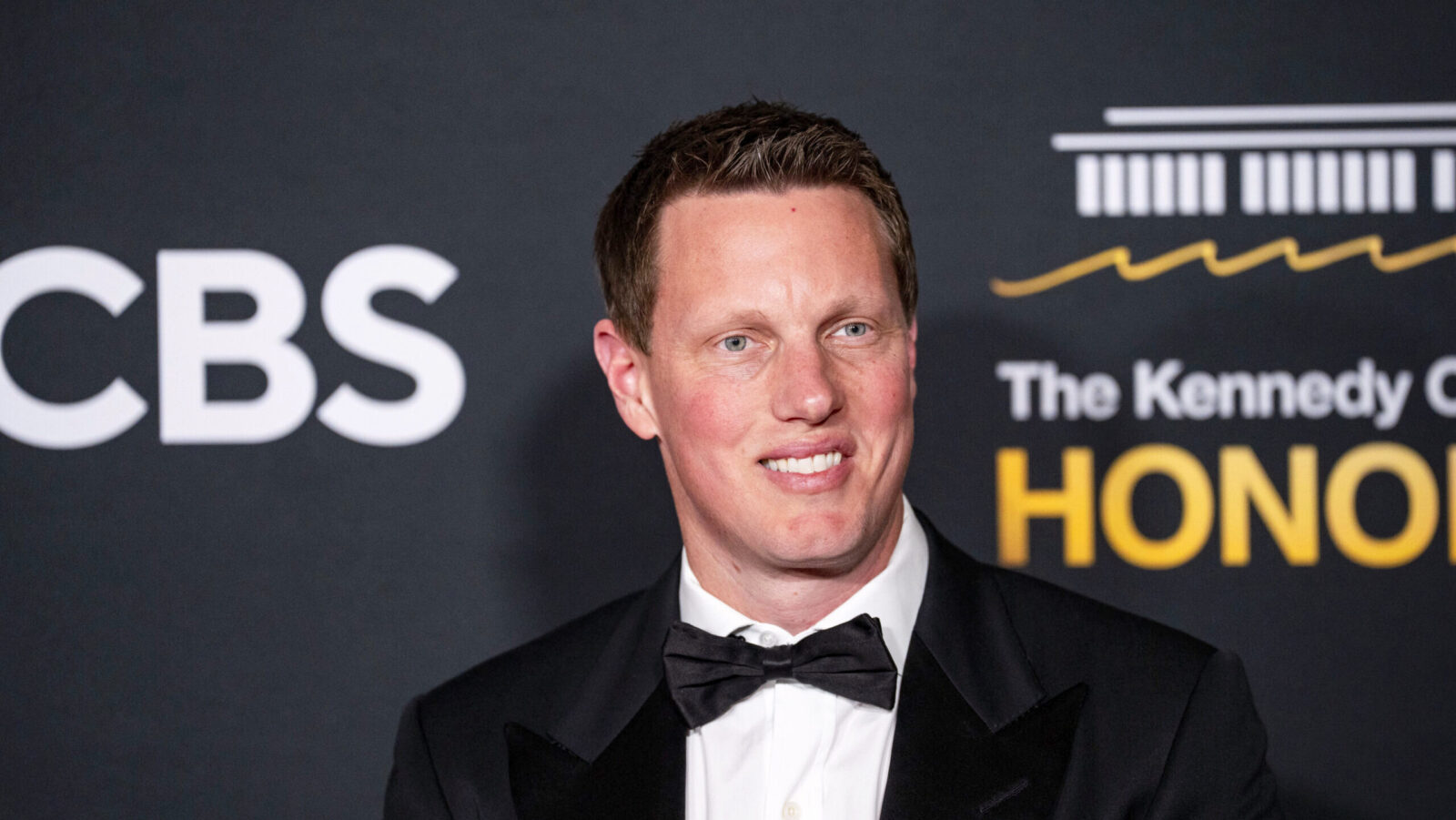
David Ellison is building a media empire with a “Founders’ Fortune” and a Gulf-state backstop.
To complete its $81 billion takeover of Warner Bros. Discovery (WBD), Ellison’s Paramount Skydance has secured $24 billion in combined funding from Saudi Arabia’s Public Investment Fund, the Qatar Investment Authority, and Abu Dhabi’s L’imad Holding Co, sources told The Wall Street Journal. That sheds new light on internal valuations and ownership stakes in the planned post-merger mega media company.
California Dreaming
The sovereign wealth funds were hardly the only players who saw the deal as a chance to fulfill some Hollywood dreams. Chinese tech and video game giant Tencent initially agreed to back Paramount’s bid, but has since dropped out, sources told the WSJ. Ditto Affinity Partners, Jared Kushner’s investment firm.
Meanwhile, private equity giant Apollo Global, Bank of America and Citigroup are providing $54 billion in debt commitments (the entire acquisition is worth $110 billion, including debt). That leaves the sovereign wealth funds as the next most significant backers, behind the Ellisons and their longtime partners at RedBird Capital Partners. While a nucleus of foreign backers enmeshing themselves in a storied Hollywood company would usually raise eyebrows, the deal appears structured to avoid strict regulatory scrutiny:
- According to the WSJ, Saudi Arabia’s PIF is providing $10 billion of the $24 billion, and each of the funds will own significantly less than a 25% stake in the resulting media conglomerate and, crucially, none of the three will have voting rights.
- That means the Gulf funding does not meet the threshold to trigger a mandatory review by the Committee on Foreign Investment in the United States and is similarly unlikely to receive a special review from the Federal Communications Commission.
One-Up: In the meantime, the rest of Hollywood is chugging along. Shares of Netflix have climbed more than 26% since it walked away from its shot to acquire WBD in late February. And on Monday, analysts at Goldman Sachs upgraded the company’s stock from neutral to buy and raised its price target from $100 to $120, forecasting double-digit revenue growth on the back of a growing ad business and rising subscription costs. Comcast’s Universal, meanwhile, just debuted its Super Mario Galaxy Movie to an eye-watering $372.5 million at the worldwide box office over the weekend. The big win underscores the comparatively weak kid-friendly animated offerings from both WBD and Paramount, despite the genre remaining Hollywood’s most consistent money-maker in recent years. In other words, Paramount doesn’t just need foreign cash, it needs a Mario-style power-up at its animated division.