
Good morning.
Whoever said speed kills didn’t have e-commerce in mind. Amazon plans to roll out a superfast grocery delivery service that will meet shoppers in 30 minutes or less, according to a Monday report in The Information.
The outlet said the online retail giant is already talking to packaged goods companies to identify products for the new service and is aiming to launch rapid-delivery hubs in urban centers, including Fort Worth, Philadelphia and Seattle.
Following the report, shares in grocery delivery service company Instacart fell more than 5% in after-hours trading. This is the scene in Sleepless in Seattle where the small bookshop owner discovers The Big Bad Chain.
New York Boosts Odds of Tax Jackpot With 3 Big Apple Casino Licenses
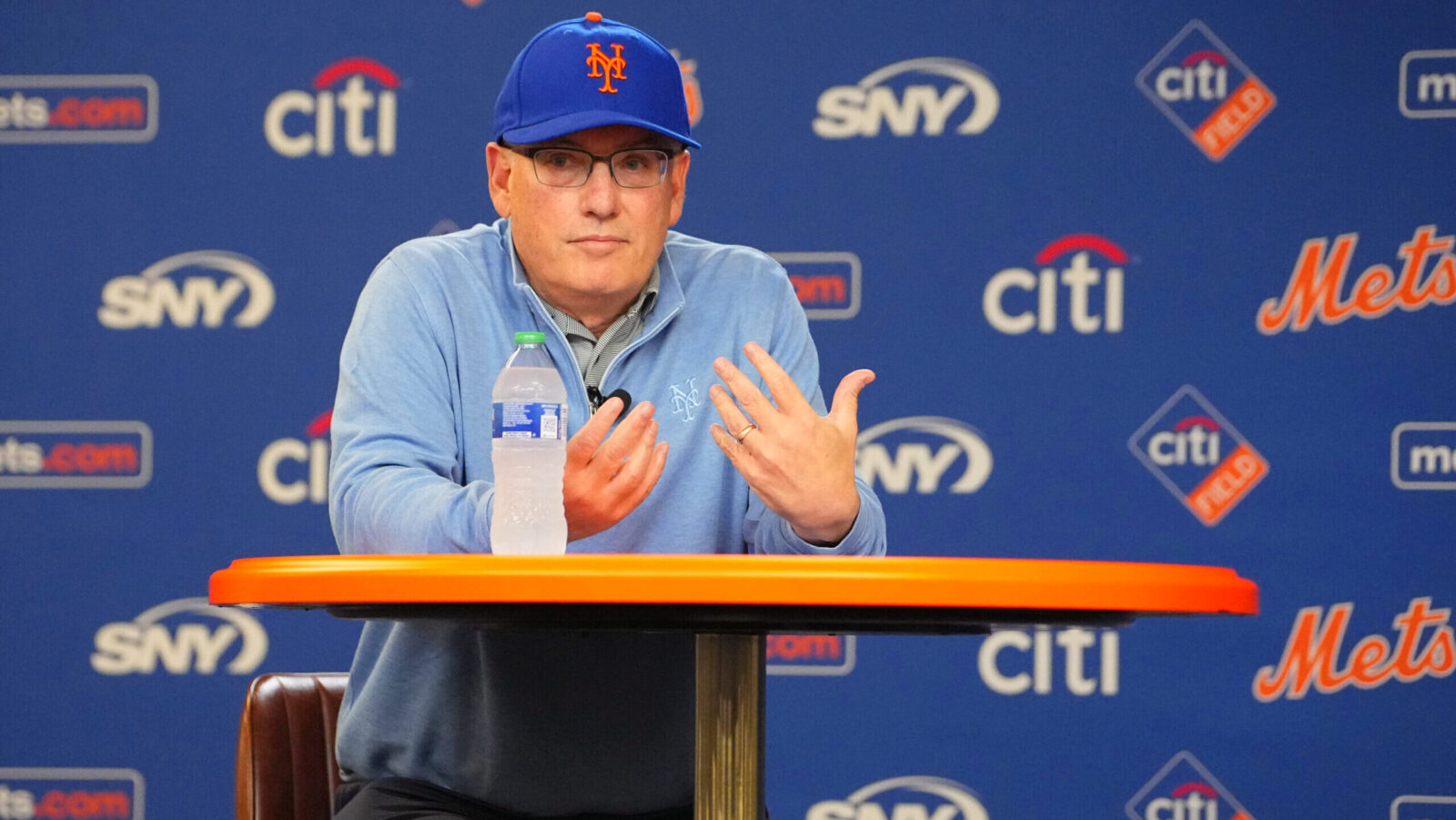
In the casino business, they say the house always wins. But what if the house belongs to the New York Mets?
Hedge fund billionaire Steve Cohen, who’s owned the long–suffering, meltdown-prone MLB franchise since 2020, won a license to build a casino near the team’s stadium in Queens on Monday. Rhode Island-based gambling company Bally’s and Malaysian resort operator Genting Group were also awarded licenses in a sweeping expansion of legalized gambling in America’s largest city.
Roulette-about It
The New York State Gaming Commission has a remit to offer up to three new casino licenses. Bids in Manhattan initially drew the most publicity, but the island home to NoHo was a NoGo. A $5.4 billion Times Square casino proposal by Caesars Palace, which riled local residents and Broadway theater owners, was voted down by a community advisory committee in September. So was a $7 billion bid for one on Manhattan’s West Side by Silverstein Properties and an $11 billion East Side bid from Soloviev Group.
In October, MGM unexpectedly withdrew an application to expand its horse-racing track in suburban Yonkers into a full-fledged casino, leaving the three outer-borough bids approved Monday. Cohen’s $8 billion project, with casino partner Hard Rock International, will also add a concert venue, convention center, shopping and restaurants to what is now a parking lot next to the Mets’ Citi Field. Genting plans to expand an existing slots casino at its Aqueduct racetrack in Jamaica (the Queens neighborhood, not Peter Tosh’s homeland). Bally plans to build a casino, hotel and retail complex at the site of its Jack Nicklaus-designed golf course in the Bronx. The key question now, which you can imagine being asked in Archie Bunker’s thick Queens accent, is “What’s in it for me?”
- Cohen’s group has made big promises for its project, slated to open in 2030, including 17,000 construction jobs and 6,000 permanent ones. It’s also projecting $3.9 billion in revenue in its third year, generating some $850 million in taxes.
- Consultants hired by the Gaming Commission’s location board estimated the three new casinos will together bring the state $7 billion in gaming taxes and $6 billion in other taxes from 2027 to 2036.
Oh, Craps! On the other hand, the Tax Policy Center found last year that tax revenues from US casinos and racinos have risen only modestly in the past four decades, which can limit their ability to plug budget gaps like the one at the Metropolitan Transit Authority. Even if you win big, the subway fare home may well keep going up.
Holiday Spending Hits New Highs, Sort Of
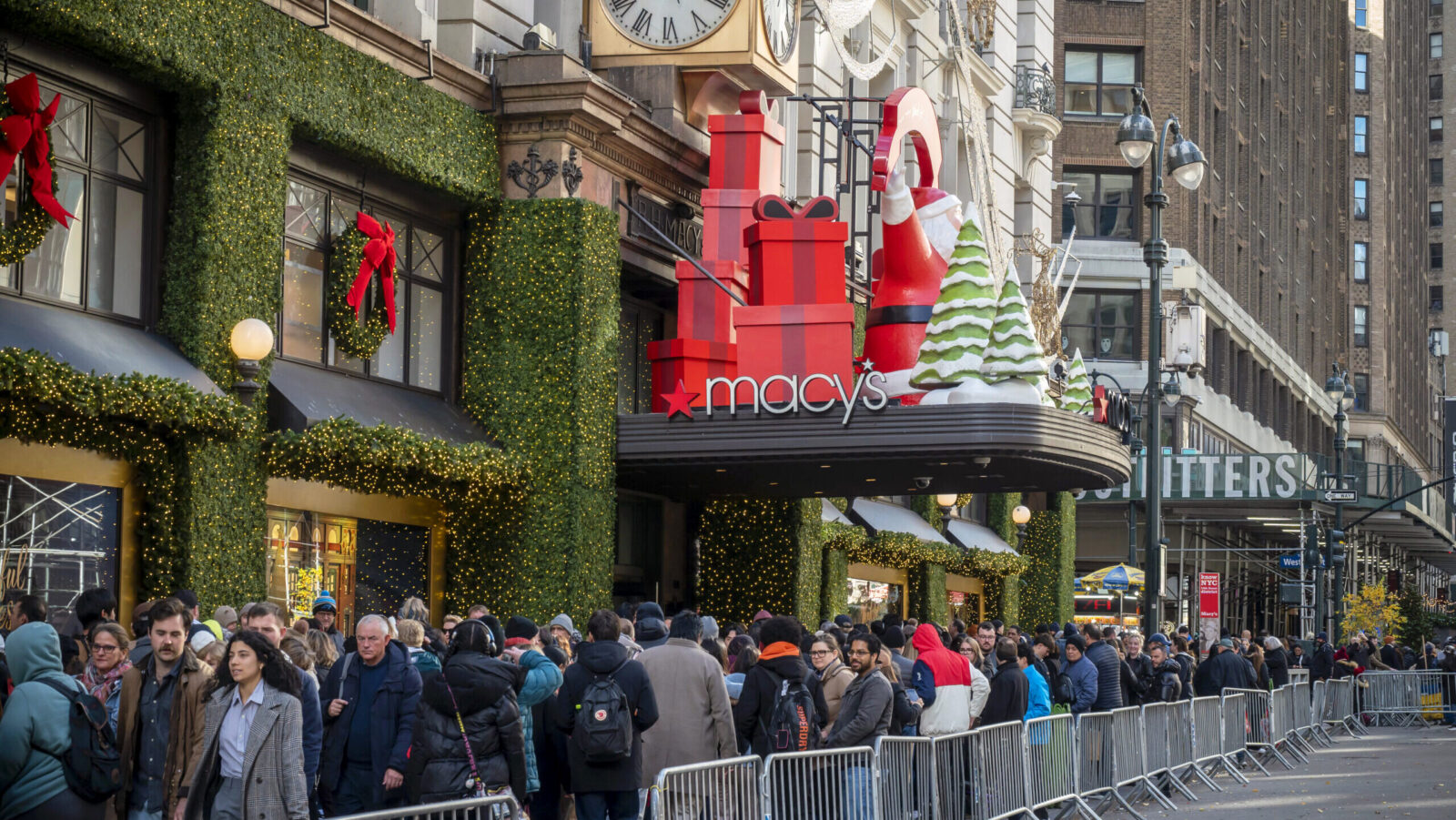
As they say in retail circles, TGIBF: Thank God, it’s Black Friday.
Despite fears of weakening consumer sentiment and flashing warning signs of a broad pullback, US shoppers showed up in force over the major holiday shopping weekend. Still, this wasn’t precisely a no-holds-barred shopping spree we’re talking about.
Buy Now, Think Later
The headline numbers are undeniable. Adobe Analytics estimates that shoppers spent $6.4 billion on Thanksgiving Day and $11.8 billion on online platforms alone on Black Friday, both figures setting records. Preliminary figures calculated by Mastercard, meanwhile, showed sales were up 4.1% year-over-year. But Mastercard’s data is notably not adjusted for inflation, up 3% year-over-year in September, according to the US Bureau of Labor Statistics. Furthermore, Salesforce data shows that total order volume, or the number of completed purchases, fell 1% on Black Friday this year, while the average selling price of Black Friday goods rose 7%.
In literal terms, American shoppers are spending more for less this season. And in another sign of underlying stress, shoppers are increasingly choosing to avoid paying for their purchases all at once:
- In a press release on Monday, buy now pay later firm Klarna reported a 45% year-over-year increase in sales volume from November 1 through November 28, with growth across all product categories.
- Overall, Adobe estimates that US shoppers will complete $20 billion worth of transactions via BNPL services this holiday season, up 11% from last year’s levels.
Data Dump: The National Retail Federation is expected to release more comprehensive data today, while Adobe Analytics also reports that Cyber Monday online sales hit a record $14.2 billion yesterday. And Friday will deliver a double data dump: the missing September Personal Consumption Expenditure Price Index from the Department of Commerce, a.k.a. the Fed’s favored inflation gauge, and the University of Michigan’s Consumer Sentiment Index reading for December, which could provide an indicator of just how much holiday cheer is left. Caveats aside, some experts still see more than enough reason to feel optimistic. “Don’t bet against the US consumer. It’s been solid,” TD Cowen senior equity research analyst Oliver Chen told Bloomberg. “We are seeing spending. We’re seeing a consumer that does have plenty of anxiety, that’s looking for great deals. That being said, the consumer still has money, wants joy.”