

Good morning.
It was a complete lapse in situ-valuation awareness. A once high-riding $20 billion hedge fund led by a former OpenAI researcher was forced to unwind its roughly $16 billion public-stock portfolio on Thursday, according to multiple reports. The Financial Times said Leopold Aschenbrenner’s AI-focused Situational Awareness boasted returns of 439% on the year to investors just last month. In recent weeks, the wheels fell off.
The heavily leveraged fund was overwhelmed as markets soured on AI, dragging down its key holdings in infrastructure providers like SK Hynix and CoreWeave. Meanwhile, CNBC reported Situational was also hammered by ill-fated short positions in rallying software companies like Adobe, which left it doubly exposed to rebalancing AI sentiment. Ken Griffin’s $71 billion Citadel bought the lion’s share of the public equities it offloaded. In a 2024 interview with podcaster Dwarkesh Patel, Aschenbrenner said of the fund, “obviously, not blowing up is task No. 1 and 2.” Perhaps Situational crushed No. 3 and No. 4.
Booming AWS Revenue Shields Amazon From Meta-Sized Backlash
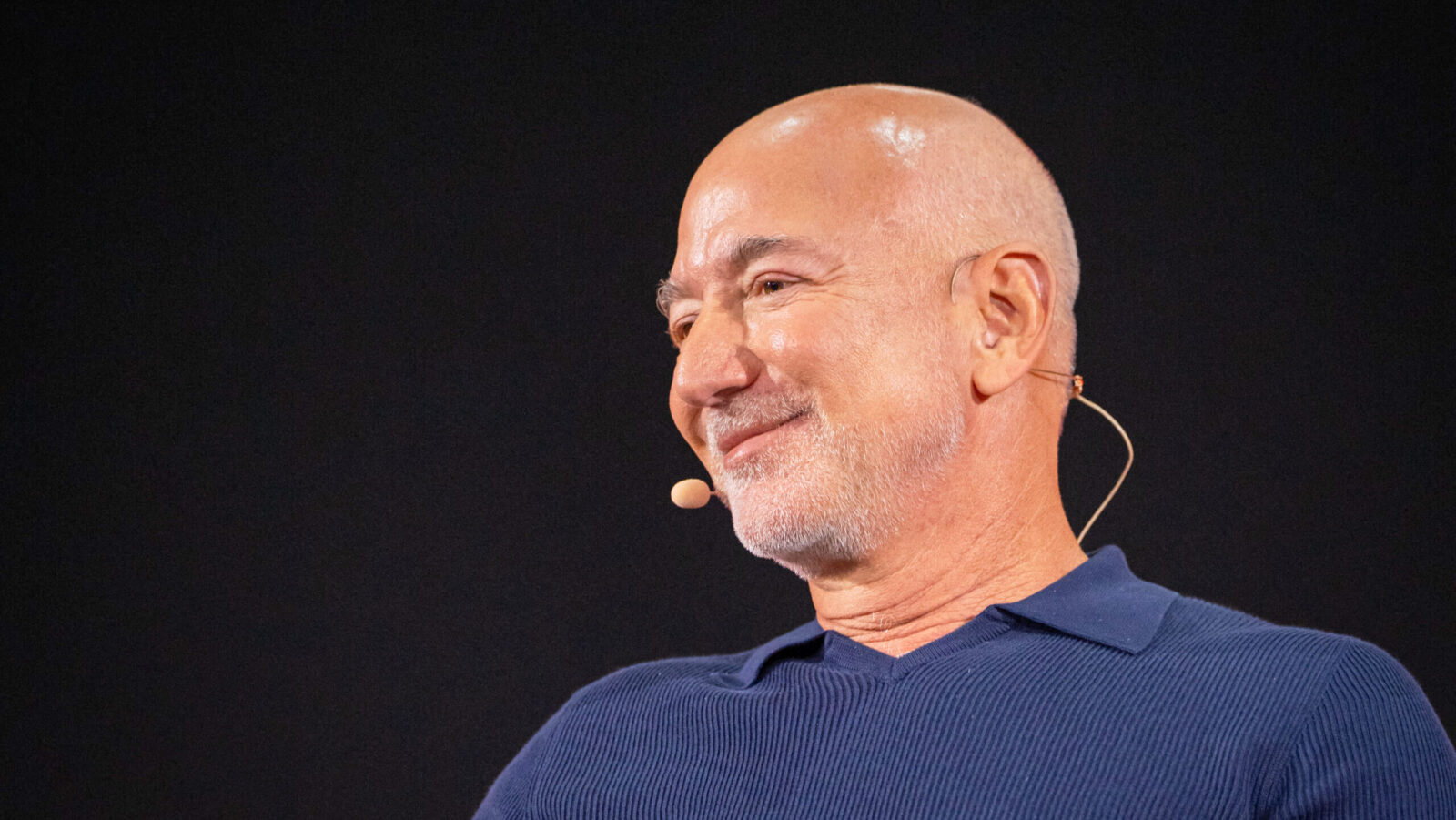
In an earnings call key to soothing skittish investors, the world’s biggest company by revenue arrived with its head in the clouds. And that was just fine by Wall Street.
Shares of Amazon jumped as much as 9% in after-hours trading Thursday after second-quarter earnings results that included rip-roaring cloud revenue, demonstrating the world still can’t get enough compute. Investors took it as a sign that generating a return on enormous artificial intelligence investments is possible, which is more than can be said about some fellow hyperscalers.
Tipping of the Hyperscales
Jittery investors are finally starting to get an idea of what they do and do not like to see from Big Tech hyperscalers. Meta plummeted nearly 8% on Thursday following its after-the-bell earnings call the day before, in which executives increased the lower end of its capex forecast even as AI spending was already eating into its free cash flow. Microsoft, on the other hand, had its best trading day since 2008 on Thursday: Shares of the Windows-maker jumped more than 15% after it held capex guidance steady on Wednesday and reported that demand for AI compute pushed annual revenue for its Azure cloud business past $100 billion for the first time ever in fiscal 2026, which ended in June.
The reaction to Amazon’s results was considerably closer to investors’ reception of Microsoft’s performance than to Meta’s. CEO Andy Jassy hiked the company’s capex guidance about 10% to $220 billion. That’s more than both Meta and Microsoft, and roughly on par with Google’s recently increased capex guidance (which scared Wall Street last week). But investors, for now, saw enough from a booming cloud business and signs that the AI bet is actually paying off to stay upbeat:
- Revenue for Amazon Web Services, the largest cloud provider in the world, jumped 37% year over year to $42.2 billion. That’s the fifth straight quarter of accelerating AWS growth, and the fastest growth rate in 18 quarters.
- Meanwhile, Amazon said both AWS’s AI business and the company’s burgeoning in-house chips business surpassed $25 billion annual run rates in the quarter, with both marking triple-digit growth rates year over year.
Trainium Wheels: In fact, founder Jeff Bezos has recently touted the AI chips business as a future “pillar” for the company. Anthropic and OpenAI have both signed on to use the company’s in-house Trainium chips, while revenue commitments for its recently launched next-gen Graviton chips nearly tripled quarter-over-quarter. In the meantime, Amazon has quietly shuttered its Artificial General Intelligence lab and is winding down work on its flagship Nova AI model, according to a Business Insider report (though it is developing a new frontier model expected to debut this fall). If you can’t beat the frontier AI model peers, you can always supply chips to them. Oh, and toilet paper and sticky notes and whatever else they might need.
Own Stocks Without Owning Tax Headaches

Have you heard about self-directed investing at Betterment? Trade from thousands of stocks and ETFs with fractional shares, zero commissions, and tax insights other apps don’t have.
What sets Betterment apart is their Tax Impact Preview. It’s a tool that shows you the tax consequences of a trade before you make it, including wash sale risk, so you can make smarter decisions to help avoid surprises on your tax bills. Betterment thinks about your taxes all year long, so you can focus on what matters.
Automated investing, retirement savings and self-directed investing living in one place, with one login, and one clear picture of your finances.
Invest how you want on a platform you trust.
Robotic Riposte: Beijing Threatens Retaliation for US Ban on Imported Androids
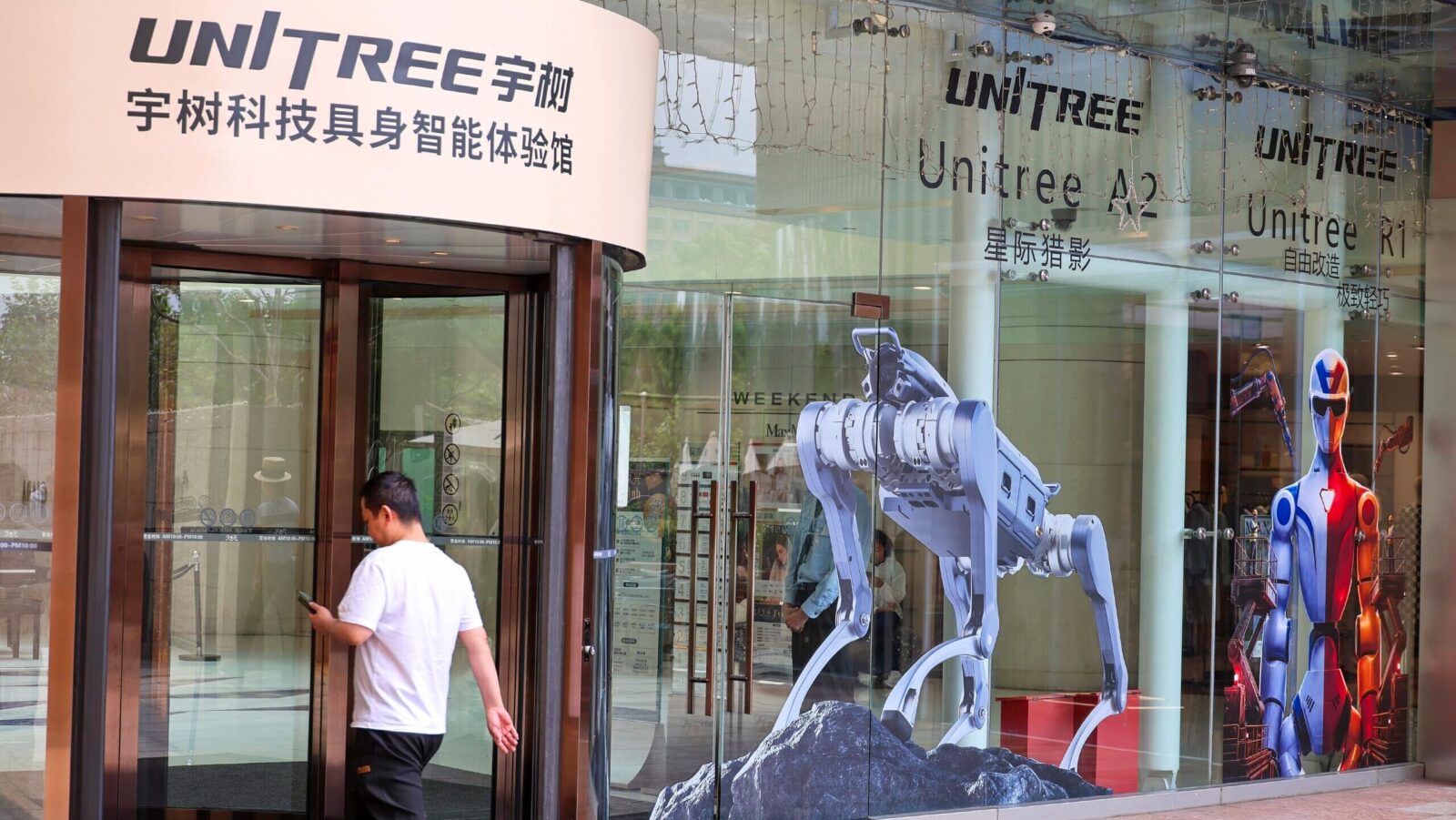
Beijing and Washington are playing a game of robot chicken as trade tensions over humanoid tech escalate.
China’s commerce ministry on Thursday threatened to retaliate over the Federal Communications Commission’s ban on foreign-made robots. The FCC said two days before that it was adding advanced robotics, including humanoid and quadruped robots, to a list of restricted imports. The tech poses cybersecurity risks that could threaten critical infrastructure, according to the agency.
The FCC did not explicitly call out China, but Beijing was quick to take the ban personally. That’s probably because Chinese companies dominate the robotics industry.
Sorry, Tesla Optimus
Interact Analysis has found Chinese companies make up 90% of global android shipments. More than 13,000 humanoid robots were shipped last year, and of that, China’s top two robot-makers, Agibot and Unitree, shipped more than 5,000 each, Omdia found. US competitors including Figure AI and Tesla shipped at most a few hundred. Morgan Stanley expects shipments to ramp up this year to 50,000:
- China has been pushing to advance its AI models even while facing restrictions on vital components needed for AI chips. Robots enhanced by AI could help China pull ahead in the AI race as the country leverages its manufacturing powerhouses.
- Chinese robots have gone viral for their dancing skills, but they’re more likely to have an impact on the factory floor than the dance floor. Robots can be used on production lines or to transport components through tight spaces.
Turning Gears: The US has been ramping up restrictions related to China’s AI, saying the bans protect national security, in part since AI has military and cybersecurity uses. But Beijing thinks “national security” is, basically, a cop-out, saying the US wants to distort markets to its own advantage. The US received the most Chinese-made androids last year, Interact Analysis found, and Nvidia said last month it would team with Unitree to build research-focused humanoid robots. A ban could put the country’s robots on the back foot as US rivals like Tesla try to get a step ahead.