

Good morning.
KFC made its bones on “Colonel” Harland Sanders’ bone-in original recipe, but in a menu revamp announced Monday, the chain’s new focus will be boneless chicken and sauces. KFC plans to roll out new tenders and nine new sauces starting this summer and will begin opening “next-gen restaurants” starting with an “open concept” space in Texas and a “fully immersive” restaurant in Dubai this year (fully immersed in … buttermilk ranch dip?).
KFC’s restaurant designs, branding and packaging are all getting a makeover, too. A new logo depicts Colonel Sanders with KFC lettering on either side and resembles the shape of the company’s chicken buckets. The refresh comes as competitors like Chick-fil-A, Popeyes and Raising Cane’s are eating into KFC’s market share, while other fast food chains like McDonald’s have expanded their boneless chicken offerings to meet growing consumer demand. As they say in the chicken business, when the competition fries harder, you fry hard with a vengeance.
Have Fuel, Will Travel: Airline, Cruise Stocks Gain Momentum with Iran Deal
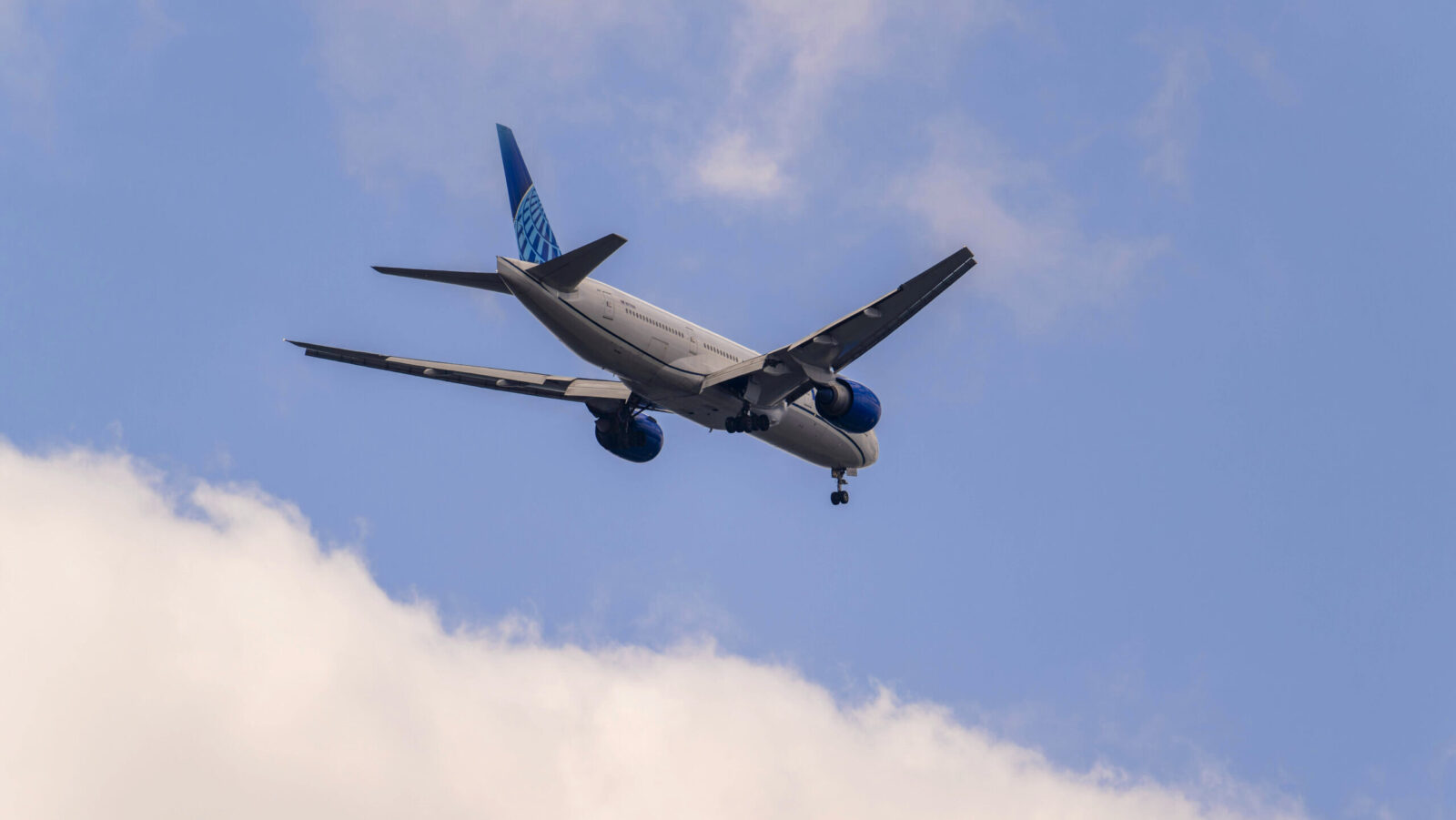
Little more than a week ago, the International Air Transport Association warned that global airline profits could drop by half this year, sliding to $23 billion. The skyrocketing price of jet fuel caused by the war in Iran would add an estimated $100 billion in collective costs for the industry in 2026, the trade group said.
Well, with the war possibly, hopefully, over after Washington and Tehran agreed to an interim peace deal, airline shares joined a jubilant market rally Monday. However, the details suggest it may be some time before the anticipated reopening of the Persian Gulf to oil shipments allows carriers to ride economic tailwinds.
Trickle-Down Oilonomics
For many would-be travelers, the past three months put a price tag on wanderlust so steep that the hikikomori lifestyle appeared appealing. Soaring crude prices pushed up the cost of plane fuel, and leading carriers passed the onerous increase on to inflation-weary consumers. According to the IATA, global jet fuel prices averaged $1,096 per ton last week, a 54% year-over-year increase. In North America, prices rose 50% to $1,085 per ton. Airline fares climbed an unpleasant 26.7%. Southwest Airlines CEO Bob Jordan told a conference that he couldn’t recall steeper fare hikes at any time in his 38-year career.
The industry, at least, was backstopped by resilient travel demand from wealthy consumers, less affected by fare hikes in keeping with the so-called K-shaped economy (for example, corporate travel platform Navan reported last week that gross booking volumes increased 50% to $3.1 billion in its latest quarter). That sales resilience helped industry stock valuations, with the US Global JETS ETF up 19% in the past 30 days, and optimism grew further on Monday:
- Shares in United Airlines rose 3.9% and closed at a record $119.97, while rivals Southwest Airlines and Delta Air Lines rose 1.3% and 1.2% respectively.
- “Financial markets are once again excited about a potential Middle East peace deal and the possible resumption of energy flows out of the Gulf,” Chris Turner, ING’s Global Head of Markets, wrote Monday. “Whether that delivers much lower energy prices is highly questionable.”
Smoother Sailing: Like their sky-high airline peers, cruise ship operators are highly exposed to fuel costs and stand to benefit if and when fuel prices come down. Bunker prices for Very Low Sulfur Fuel Oil in Singapore, the global benchmark, were $825 per metric ton in May, up 61% year-over-year, according to Ship & Bunker. Investors appear very bullish on the prospect of those costs falling and margins improving: Royal Caribbean, Carnival and Norwegian Cruise Line were up 6.5%, 3.2% and 3.6%, respectively, on Monday. to Ship & Bunker. Investors appear very bullish on the prospect of those costs falling and margins improving: Royal Caribbean, Carnival and Norwegian Cruise Line were up 6.5%, 3.2% and 3.6%, respectively, on Monday.
Morgan Stanley Calls This a $9T Opportunity
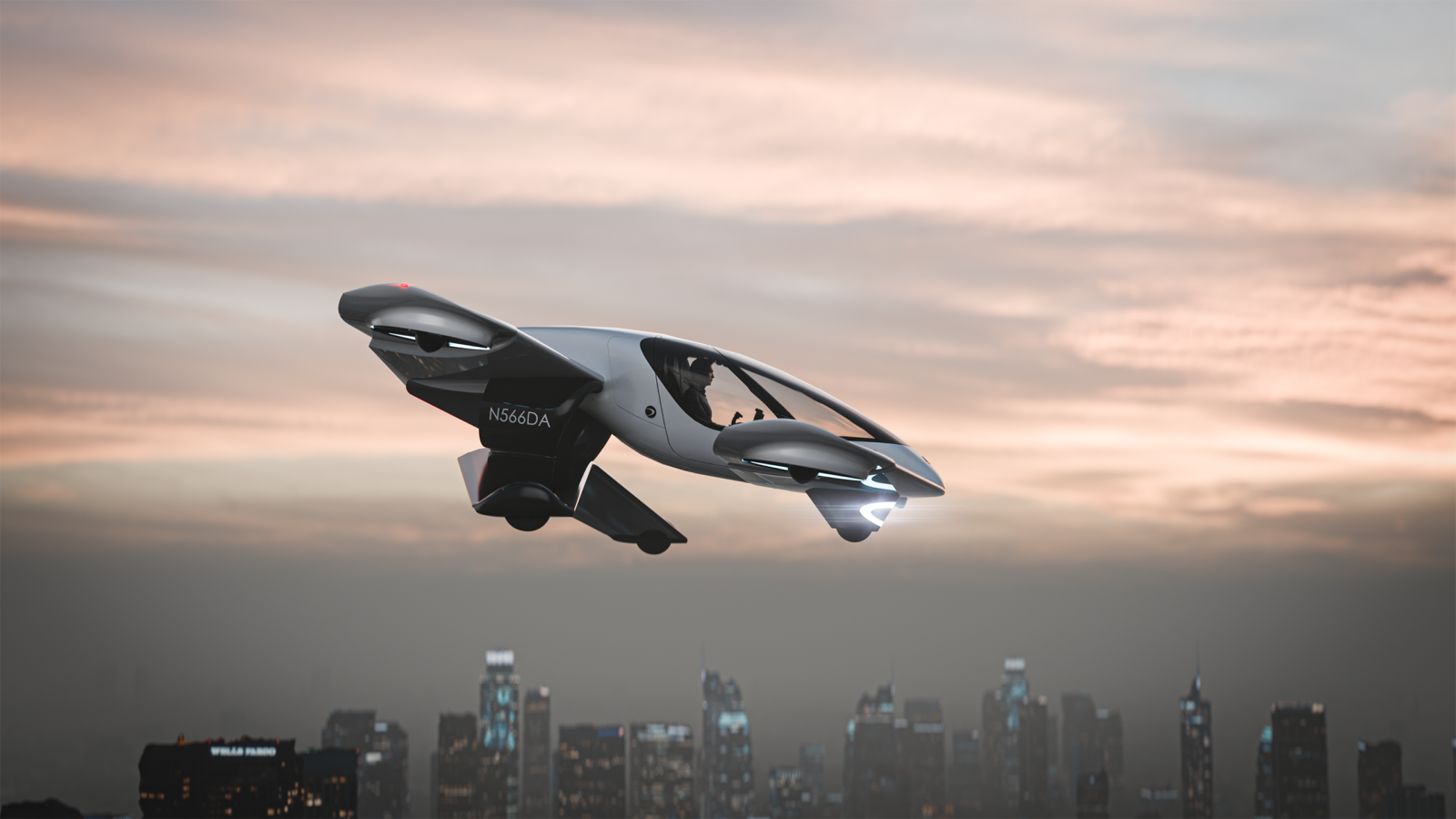
Morgan Stanley predicts that the flying car industry could grow 185,850% by 2050.1
They say it could reach $9 trillion,2 2X+ more valuable than today’s global car market.3 And 5,500+ investors believe Doroni will lead the charge.
Their H1-X aircraft is designed for everyday life. It charges like an EV, takes off vertically from your driveway, and fits in a two-car garage. It’s no concept, either. In March, Doroni unveiled a full-scale showroom model of the H1-X aircraft. 600+ people already reserved, good for $240M in potential revenue.
Now they’ve reserved the Nasdaq ticker $DRNI in preparation for a potential public listing.
Invest at $3.10/share before Thursday night at midnight ET.*
Anthropic Fights to Bring Most Powerful AI Models Back Online
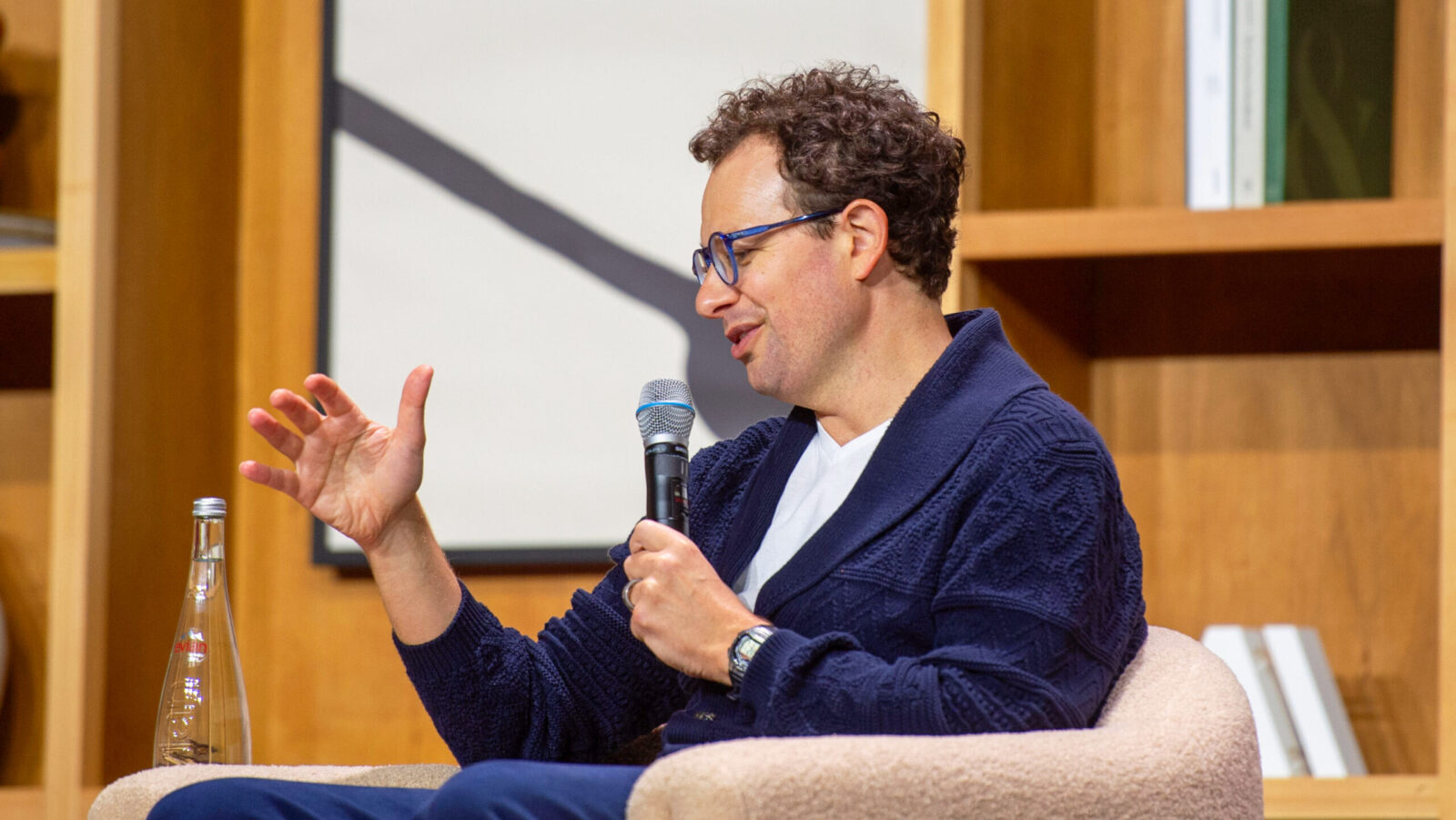
Anthropic’s latest AI models, released last week, are already taking some forced PTO under pressure from the White House.
Amazon CEO Andy Jassy raised a red flag with Trump administration officials last Thursday, claiming the new models’ guardrails had gaps that hackers could use to find security flaws in digital infrastructure. The Commerce Department issued an export control directive to Anthropic on Friday, forcing the company to shut down Fable 5 and Mythos 5.
Anthropic, which defended its models’ safety standards, is rushing to resolve the dispute, with senior tech executives reportedly flying to DC yesterday for meetings.
A Lose-Lose Situation
The bad blood between Anthropic executives and the Trump administration is getting thicker. The two parties are coping with a failure to communicate that stems at least in part from core ideological differences. President Trump previously called Anthropic employees “left-wing nutjobs” around the same time the Pentagon labeled the company a supply-chain risk and banned defense contractors from using its products.
The messy relationship isn’t just a bad look for the US but potentially a big stumble backward:
- Cybersecurity experts say the shutdown of Anthropic’s models could open bigger holes in the US’s digital defenses than the models themselves did. Leaders from companies including Nvidia and Adobe signed a letter Sunday asking Washington to lift the export controls, arguing the models aren’t unique in being able to find security flaws and that coders count on them to defend against potential attacks from rival AI models.
- Some of those rival models come from China, including Kimi 2.7 and potentially, per the letter, secret Chinese government AI projects with even greater capabilities. The letter says that China’s AI models are just months behind the US’s. The implication: While the US restrains Anthropic, China could use that time to close the gap.
Optics Matter: US leaders locking horns with homegrown AI companies may raise concerns that Washington will impede AI’s progress, benefiting runner-up China. Shares of Chinese AI model-makers surged on Monday, with the listed entity behind Zhipu climbing as much as 48% and rival MiniMax jumping nearly 8%. While China’s lack of lithography tools is likely to limit its AI advancements, its models could benefit from affordability and reliability. DeepSeek’s AI model costs 60 times less to run than Anthropic’s Fable 5, geoeconomics expert Agathe Demarais pointed out, and if Washington starts shelving American AI models with little notice, consumers might favor models that they can count on when needed.
1,000+ ChatGPT Prompts for 10X Faster Work

ChatGPT is powerful — but most people use it like Google and waste 90% of its potential. Sign up for Superhuman AI and get 1,000+ proven prompts (used by 1M+ professionals) to work 10X faster, plus a 3-minute daily newsletter on new AI tools to stay ahead. Claim your free prompts.