

Good morning and happy Monday.
How much is an hour worth to you? Jettly hopes you’ll say about $7,000.
That’s the going hourly rate for flight time at the private jet operator, where demand has surged as passengers across the US trade their savings to spare themselves hours of waiting in bloated TSA lines during the Department of Homeland Security shutdown. Bookings at Jettly have surged nearly 40% since the start of the shutdown, Bloomberg reported last week, including a more than 50% jump in first-time customers in markets including Houston and New Orleans. The good times for Jettly might not last forever. On Friday, the White House ordered the government to begin paying TSA employees after a Congressional funding deal fell apart, likely easing airport congestion. In the meantime, for just $7,000 an hour, you could be among the few American travelers who arrive at their destination the same day they travel.
Iran War Drags Consumer Sentiment Close to Historic Lows as Wall Street Confidence Falters
Washington’s cherry blossoms are in peak bloom, but the US consumer is still stuck in a long, inflationary winter.
The University of Michigan’s Surveys of Consumers reported Friday that consumer sentiment fell to a three-month low in March, as the US-Israel war with Iran stoked fears of inflation and economic sluggishness. The final March reading of 53.3, down from a preliminary reading of 55.5, remains near historic lows.
Data Downer
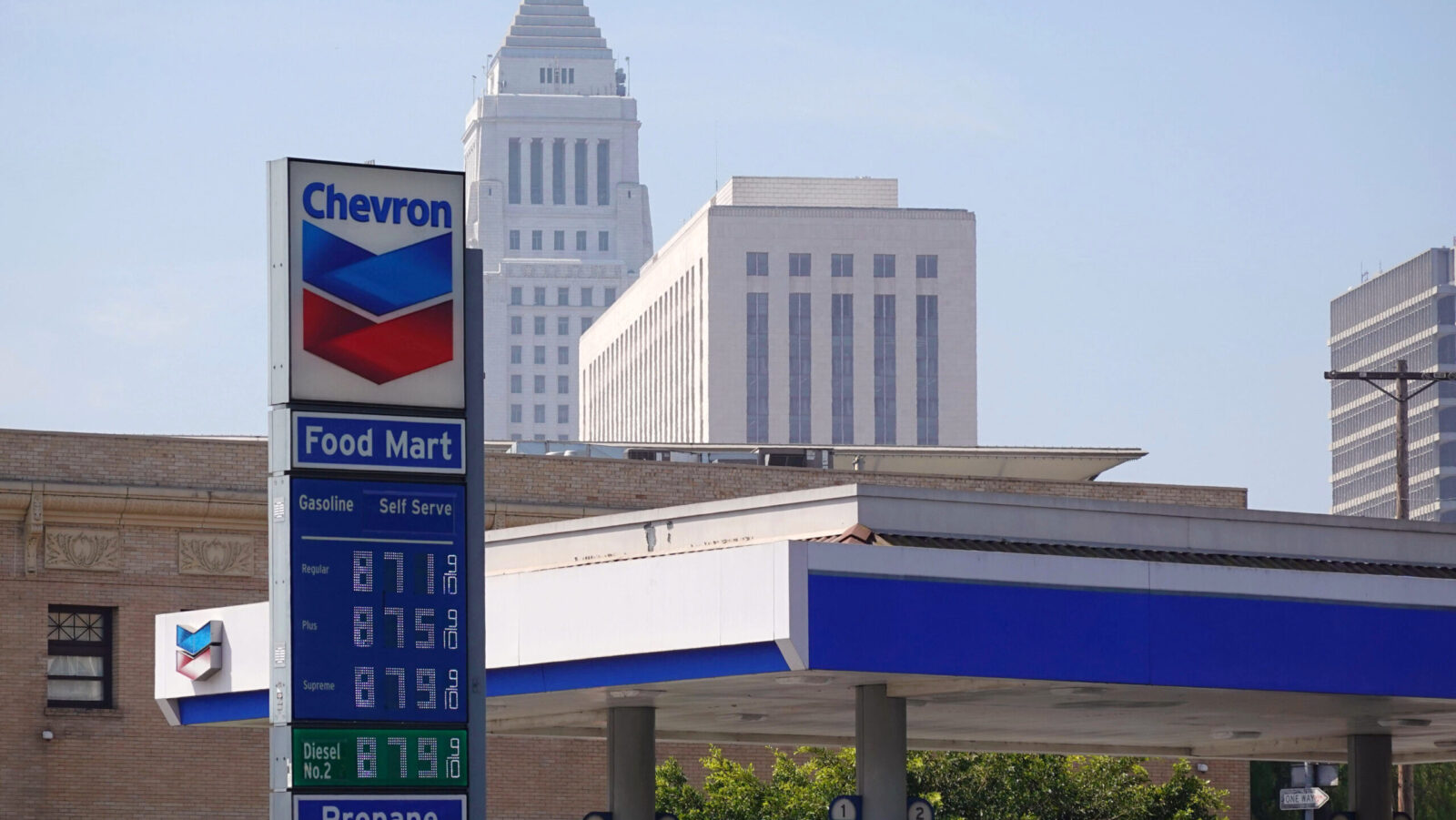
Their gloom is understandable. Against the backdrop of the war, several crucial economic indicators have been more downbeat than a Nick Drake album. Global oil prices rose nearly 50% in the past month. The average price of US retail gas has surged $1 to $3.98 per gallon. The S&P 500 has fallen 7.4%. Meanwhile, the Labor Department’s February jobs report said the economy unexpectedly shed 92,000 jobs in the month leading up to the conflict, while wage growth has slowed to near-decade lows. That’s not a recipe for consumer cheer.
The energy disruption is likely to make life more expensive in the near term. The Michigan survey showed consumers’ expectations for inflation over the next 12 months rose to 3.8% from 3.4% in February. That’s optimistic compared with the Organization for Economic Cooperation and Development, which last week raised its US inflation forecast for 2026 from 2.8% to 4.2%. The Federal Reserve, meanwhile, maintained a much rosier outlook, raising its annual inflation estimate by a single decimal point to 2.7% last week. Small wonder that traders and analysts are tearing up prior assumptions:
- CME Fedwatch data shows traders think the war may be taking Federal Reserve interest rate cuts off the table this year, and even bringing back the prospect of rate hikes. They’re now pricing in a near 25% probability of a hike by December and a less than 3% chance of cuts.
- Moody’s Analytics said last week that the odds of a recession in the next 12 months, at 48.6%, are now basically a coin flip. Goldman Sachs also hiked its recession outlook to 30%, citing inflation, energy prices and growth concerns. Both are well above the typical baseline probability of 15% to 20%.
Cheer Up: While consumer sentiment has been in the gutter for some time, this hasn’t yet correlated with consumer spending. “Consumers appear to believe that any negative economic consequences of the Iran conflict are likely to be limited primarily to the short run,” said University of Michigan economist Joanne Hsu, the director of the surveys. Torsten Sløk, Apollo’s top economist, advised everyone to take a chill pill, writing: “Markets are overreacting to what will likely be a four- to six-week period of volatility, which will ultimately result in 50 years of stability in oil markets, supply chains and geopolitics.”
Outperform Your Bed, Not Just Your Portfolio
You’re already earning while you sleep, so why not increase your ROI?
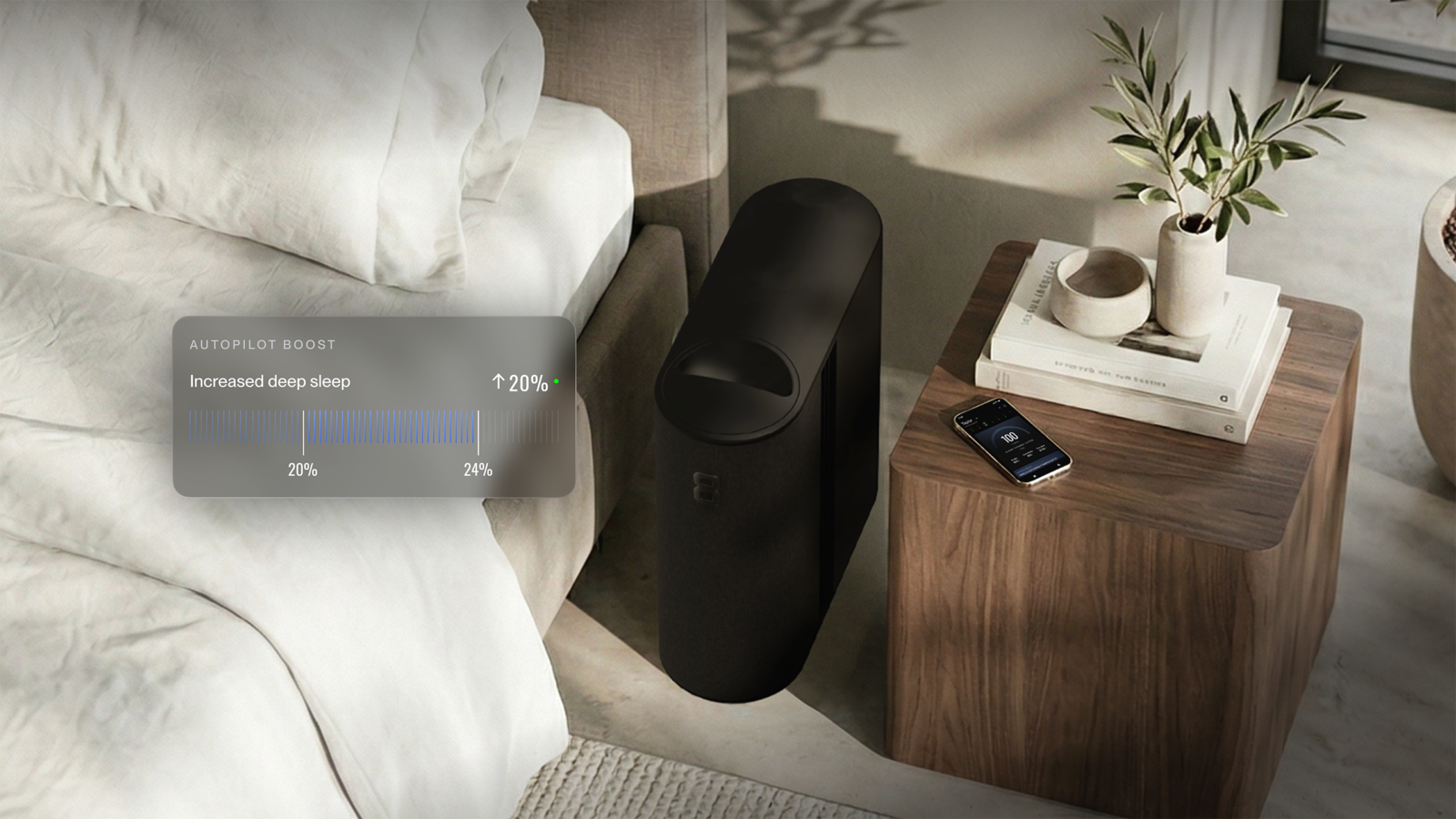
The Pod by Eight Sleep uses Autopilot to learn your sleep patterns, then adjusts temperature, elevation and wake-up time in real time. Backed by over 1 billion hours of sleep data, it’s the world’s largest proprietary sleep dataset — meaning less guesswork and more consistent, high-quality rest.
Fitting directly on your existing mattress, sleepers have reported an increase in REM sleep by over half and up to 34% more deep sleep — effectively leaving their groggiest Monday mornings farther behind than a stalled S&P 500.
Upgrade your sleep tonight and take code UPSIDE for up to $350 off the Pod 5 Ultra.*
Nike Needs to Find Its Footing Ahead of Earnings
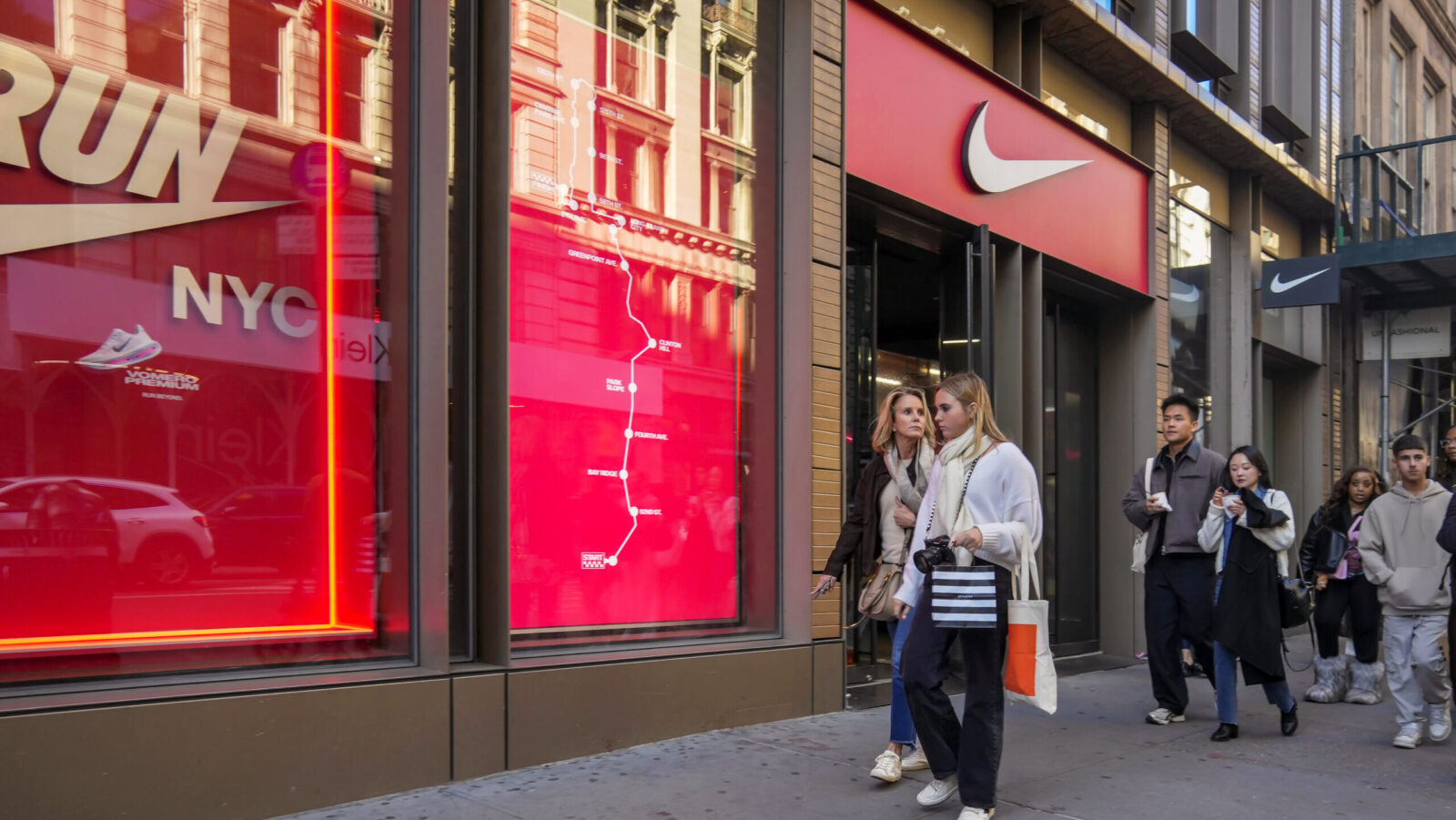
The shoe brand named for the Greek goddess of victory has been on a losing streak … or swoosh. Nike’s shares have been hovering around an eight-year low heading into its earnings call tomorrow.
Investors will be watching for whether the shoe brand can shrug off slowdowns in Europe and China, how its wholesale business is faring, and whether it’ll soon cut off Converse as its sales plummet.
All of Nike’s issues could boil down to one simple challenge: Cooler competitors are stealing market share.
Losing Momentum
Nike is trying to make a comeback under CEO Elliott Hill, who started in 2024 at a time when the shoe company seemed to veer off course. As direct-to-consumer competitors like On and Allbirds gained popularity, Nike shifted its focus from in-store sales to direct-to-consumer sales. Rivals swooped in to fill the shelf space.
Hill has tried to reclaim market share with a renewed focus on wholesale, whose revenues climbed 8% in the winter quarter compared with an 8% drop in direct sales. Nike’s revenue rose 1%, depressed by a 17% slide in China. Rival sneaker makers are taking advantage of its lull:
- New Balance grew its sales 19% last year and 180% since 2020, when it became fashionistas’ favorite dad shoe. New Balance has raised its average price by about 30% over the past five years, proving consumers are willing to pony up for the right brand. The 120-year-old brand has also aggressively opened stores (80 just last year) while Nike lost store presence focusing on direct sales. New Balance expects to pass $10 billion in sales this year, putting it about $2 billion behind Nike.
- Samba-maker Adidas is also trying to wrest market share from Nike after garnering record revenue. On, meanwhile, reported record sales last year and expects net sales to grow more than 23% next year to $4.4 billion. Another up-and-coming sneaker star, Salomon, passed $2 billion in sales last year under its parent company, Amer Sports, as celebrities scooped up XT-6s.
Lacing Up: Nike’s still the world’s biggest shoe brand, but rivals are scuffing its market share. In addition to refocusing on wholesale, the shoe company is also testing new ways to up its cool factor. Nike’s new Mind sneakers are, as the name implies, focused on mindfulness (imagine: Crocs with sensory foam balls). The brand has also been quick to partner with Gen Z athletes like Alysa Liu.