

Good morning.
At home, no one can hear you rage-scream. Except your family, your dog and maybe your neighbors.
But better them than your boss’s boss’s boss.
Or at least so think the higher-ups at Meta, who ordered their entire North America staff to work from home today as the company hands out pink slips to 10% of its workforce. The tech behemoth, which employed nearly 78,000 workers at the end of March, is planning to eliminate managerial roles and transfer another 10% of its employees to AI workflow-related positions. In a memo to staff seen by The New York Times this week, Meta’s HR chief wrote, “We know days like this are extremely hard, and we appreciate you showing up for each other.” Just don’t physically show up at the office, please, because we’re busy firing people.
Homebuyers Venture Back into Market Despite Broader Economic Gloom
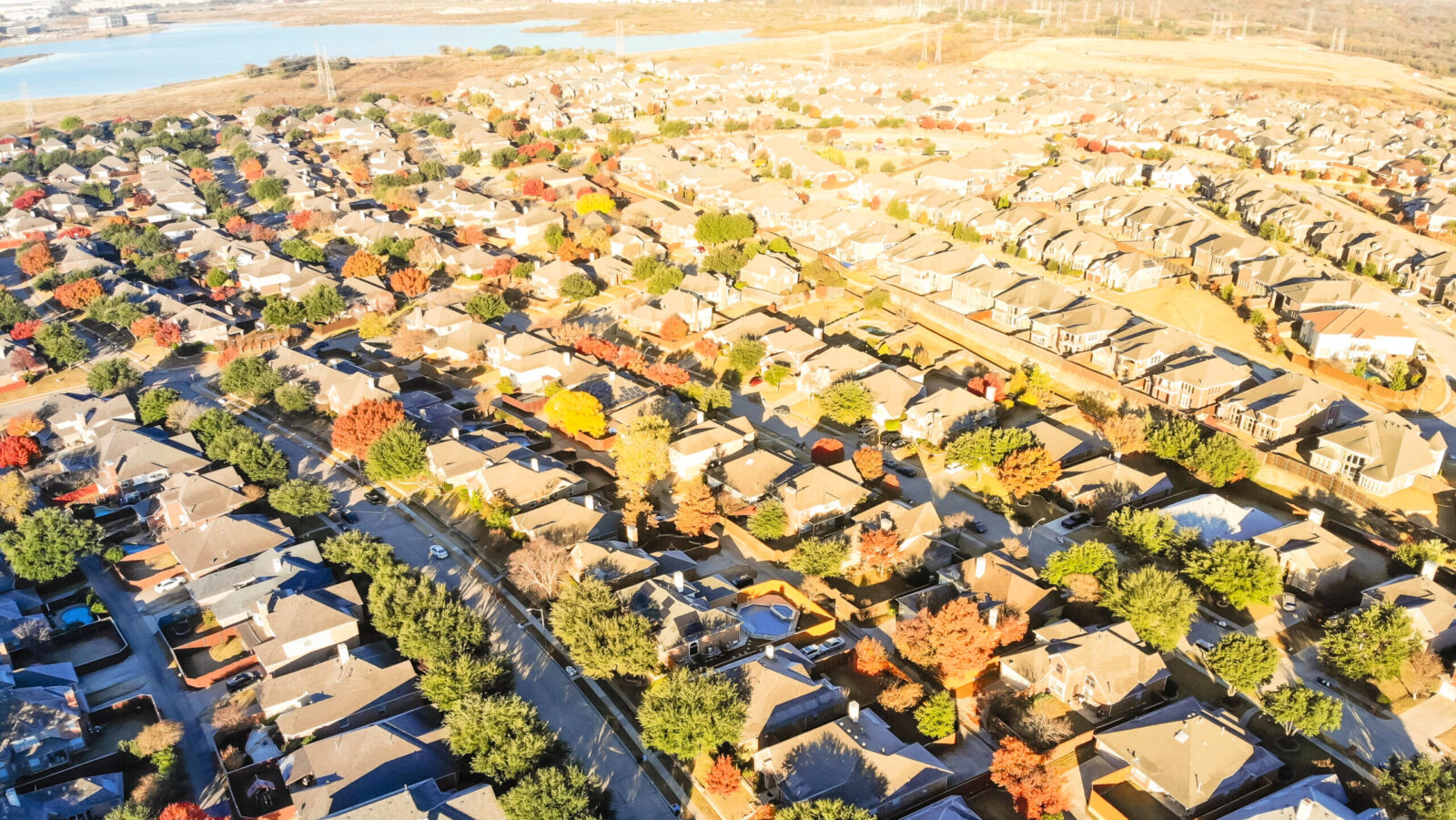
Entering the year, the National Association of Realtors peered into its crystal ball and projected US home sales would rise 14% in 2026. JPMorgan said housing prices would flatline, a boon for potential buyers. Analysts at brokerage Redfin predicted 2026 would mark the start of a “Great Housing Reset,” a “yearslong period of gradual increases in home sales and normalization of prices as affordability gradually improves.”
Yeeeeaaaah … about that. As Bankrate analysts noted last week, home sales fell year over year in the first three months of 2026 and flatlined in April, while home prices keep setting new records. Tuesday, mercifully, brought promise: One leading indicator of future sales suggests “buyers are coming out with cautious optimism.”
A Housing Market Divided
NAR announced that pending home sales rose 1.4% in April from the previous month and 3.2% year over year. The figure refers to home sale contracts that were signed, but not yet closed, which is why it’s considered an important indicator of future home sales. It looks especially promising for some regions. How’s the Northeast? Wicked good, contracts rocketed up 6.6%. And they’re good in the Midwest? You betcha, contracts rose 3%. Do you like affordability? You will love Cleveland.
That can’t be said for the South, where pending sales fell 0.7%. Real estate markets like Miami, Nashville, Austin and Las Vegas, white hot during the pandemic when people from more expensive places moved their newly remote lives into the sunshine, have flipped into buyers’ markets, with the sellers outnumbering buyers by more than two to one. But hot or cold, no market has removed one of the biggest barriers facing potential homeowners. The 30-year fixed mortgage rate, at 6.36%, remains near two-decade highs. NAR Chief Economist Lawrence Yun said pending sales rose despite that and “increasing economic uncertainty,” and predicted better days when things do change:
- “Demand will easily be even higher once mortgage rates retreat to the levels they were at earlier this year,” Yun said. On the other hand, given the inflation risks of the Iran war, experts don’t see the Federal Reserve cutting interest rates in the immediate future to help make that happen.
- At the same time, Yun warned about the US homeownership rate, which is hovering around a six-year low at 65% and expected to fall this year: “Unless supply meaningfully increases, home price growth could outpace wage growth.”
Through the Roof: According to a MoneyLion report released Tuesday, there are seven US housing markets where the median home sale price is more than $100,000 over the average home value. They are Santa Maria, Salinas, and San Luis Obispo in California; Crestview, Naples and Cape Coral in Florida; and Daphne, Alabama. That’s right: Daphne, Alabama. Maybe people just love eating hardhead catfish at Jubilee?
Newborn Unicorn Radar Helps Retailers Fight Losses Beyond Shoplifting
A retail store’s stockroom may as well be a black hole based on how long associates disappear there when asked to find a specific item missing from the floor. A startup backed by American Eagle’s CEO wants to solve that problem with tech designed to reduce inventory loss called “shrink,” caused by messy backrooms, supply chain mishaps and theft.
Radar just closed a $170 million funding round, boosting its valuation to over $1 billion. The startup’s ceiling-mounted hardware scans RFID (radio-frequency identification) tags to pinpoint where all of a store’s inventory is, helping associates determine whether a shipment was accurate without sorting through every box and where a certain top is without searching through an Excel sheet full of SKUs.
American Eagle was the first store to install Radar’s technology, but now Gap-owned Old Navy and more than 1,400 other stores rely on the anti-shrink system.
The Plexiglass Paradox
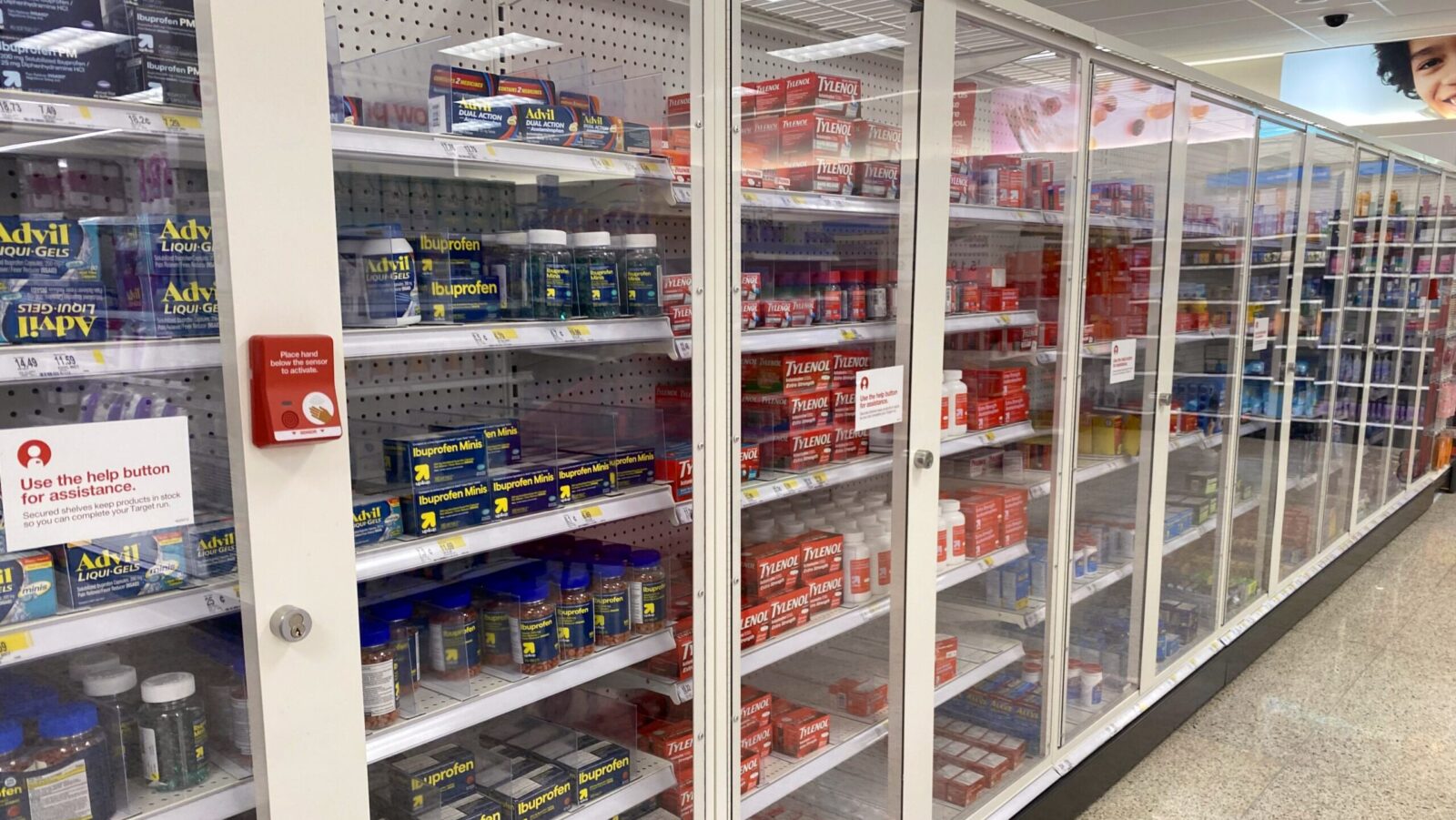
Retailers panicked during the pandemic about shrink, a catchall term for any loss in inventory including theft. CVS, Walgreens and others put products behind plexiglass en masse, making customers rely on sales associates to come fish out their bottle of Gas-X like it’s a treasure in an Indiana Jones movie.
And while state authorities have cracked down on organized theft rings, recovering hundreds of millions of dollars in stolen goods, blaming the problem on stealing oversimplifies it:
- Some of the hubbub about theft during the early 2020s was based on a National Retail Federation survey that claimed organized retail crime accounted for half of all shrink, or about $45 billion in annual losses. But a Retail Dive investigation found that the stat was overblown, prompting the NRF to retract it.
- Experts now say shrinkage comes from a variety of causes, including administrative errors and false refunds. Walgreens said last year that the plexiglass hurt its sales, and that it was looking into other ways to safeguard against product loss.
Shrink is Shrinking: Executives from retailers ranging from Kroger to Dollar General have said shrink has been trending down, and Target and TJX said shrink has returned to pre-pandemic levels. It’s hard to suss out how much of that comes from a pullback in theft versus improved inventory management. For instance, major retailers have scaled back self-checkout, where customers have said in surveys they’re more likely to steal, by accident and on purpose. At the same time, the founder of Radar said one of its clients saw a 60% decline in shrink using its tech.
Fraud Is Having a Moment

Fraud losses could reach up to $40 billion by 2027, and 57% of financial firms are already reporting increased attacks. Many institutions’ defenses were built for a slower era. The good news is some are getting ahead of it already. Plaid’s recent MIT insight piece shows you how. Download it here.