

Good morning.
Like father, sort of like son. James Murdoch, the youngest son of conservative media mogul Rupert, dropped out of college in the ’90s to follow the Grateful Dead on tour and co-found the rap music label Rawkus Records. That doesn’t exactly scream Fox News, but James ultimately rejoined the family fold.
Now, the son is borrowing a page from his dad’s acquisitive side. Multiple outlets reported Tuesday that his holding company has entered talks to acquire New York magazine and the Vox podcast network from Vox Media for roughly $300 million. That would put James, who has broken with family tradition by donating generously to progressive causes in recent years, in charge of a slate of traditionally liberal properties with an editorial bent antithetical to his father’s empire. That’s four more seasons of HBO’s Succession right there.
Apple Flirts With Adding Intel, Samsung into Main Chip Supply Chain
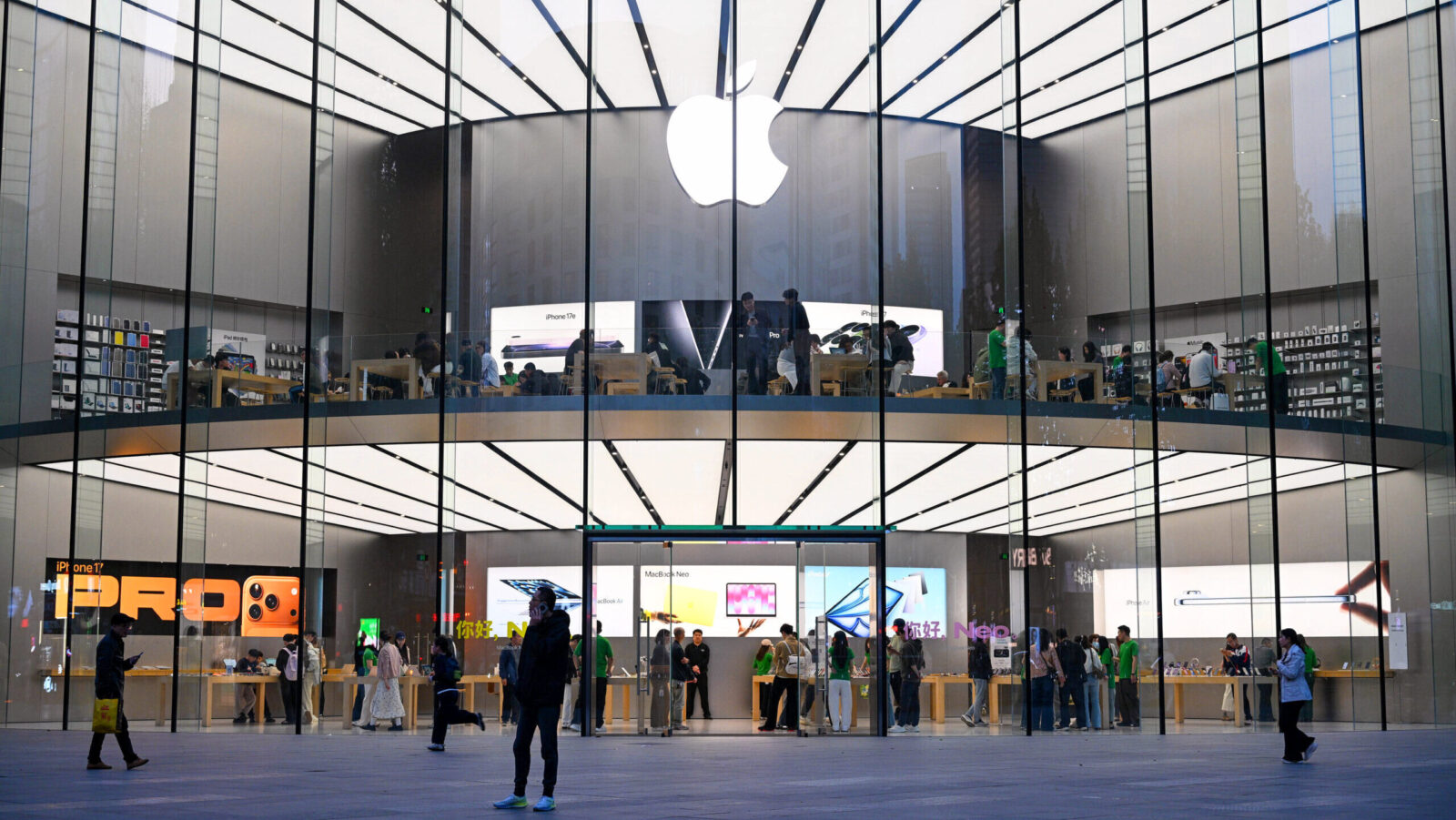
Two chipmakers are the new apples of Apple’s eye.
The $4.1 trillion tech giant has had early-stage discussions about using Intel and Samsung as suppliers for the main processors in its devices, sources told Bloomberg News on Tuesday, in what would be a geopolitical and supply-chain hedge against its lead supplier in Taiwan.
The Intel Inside Track
Apple’s supply chain dependencies have turned problematic in the age of tariffs and friend-shoring. In 2025, the company ramped up iPhone manufacturing in India by more than 50% to 55 million units, or 25% of total output, as it reduced risk from trade fisticuffs between the US and China.
Securing chips in the US from Santa Clara, California-based Intel and South Korea’s Samsung, which is building an advanced chip plant in Texas,would diversify another part of Apple’s supply chain away from geopolitical risk. Taiwan Semiconductor Manufacturing Co., Apple’s longtime chip supplier and partner, is exposed to Beijing’s “one-China principle.” Apple would also have a hedge against production bottlenecks at TSMC, which have been especially onerous amid massive AI demand and highlighted the need for more suppliers. If Samsung and Intel were to become those suppliers, each would score a massive customer, adding to a hot run of deals for Intel:
- Intel, which previously provided chips to Apple for 15 years leading up to 2020, has been mired in manufacturing delays and struggled to grow revenue in recent years as it lost market share to AMD in CPUs and Nvidia in GPUs. But the AI boom has created a wellspring of demand for its CPUs; its 7.2% revenue growth to $13.6 billion in the first quarter blew past Wall Street expectations.
- Intel’s run of success can also be attributed to a little help from friends: The US government took a 10% stake, valued at $8.9 billion, last August, and President Trump recently said he’s “very proud” of the company. Nvidia also made a $5 billion investment in September, and last month, Intel said it was expanding its partnership with Google and joining Elon Musk’s $25 billion AI chip project, Terafab.
Don’t Hold Your Breath: The talks, according to sources who spoke to Bloomberg, are just that. No orders have been placed, considerations are preliminary, and Apple could well call the whole thing off. But, even with Intel’s more than 100% jump last month, the mere news that it was being scouted by Apple drove its shares up 13% to a new record on Tuesday (Samsung also rose 6%).
They Moved $1 Trillion a Year on Wall Street. Now, They’re Rebuilding Payments
Every time your institution sends a payment, someone is fronting the money. Settlement takes days. Fees stack up. And the infrastructure underneath it all hasn’t meaningfully changed in decades.
The team behind Monad knows this problem intimately. Founded by former high-frequency traders from Jump Trading — where they helped move over $1 trillion in notional volume annually — they applied that same obsession with speed and efficiency to borderless payments.
The result: 10,000 transactions per second, near-instant settlement and near-zero fees. High-performance infrastructure that lets institutions:
- Reduce reliance on prefunding through real-time stablecoin settlement.
- Support payment flows, including debit card use cases, enabled by fast finality.
- Streamline payroll continuously with flexible payment timing instead of batch systems.
Earn a 4.00% Var. APY with Betterment’s High-Yield Cash Account

Betterment’s Cash Reserve helps keep your money safe as it grows and currently offers an APY of 3.25%, which is 8x the national average. New customer offer: Open a Cash Reserve account and make a qualifying deposit to get a 0.75% APY boost on your savings for three months. Activate offer.*
Non-Alcoholic Beer Buoys Spirits for AB InBev Investors
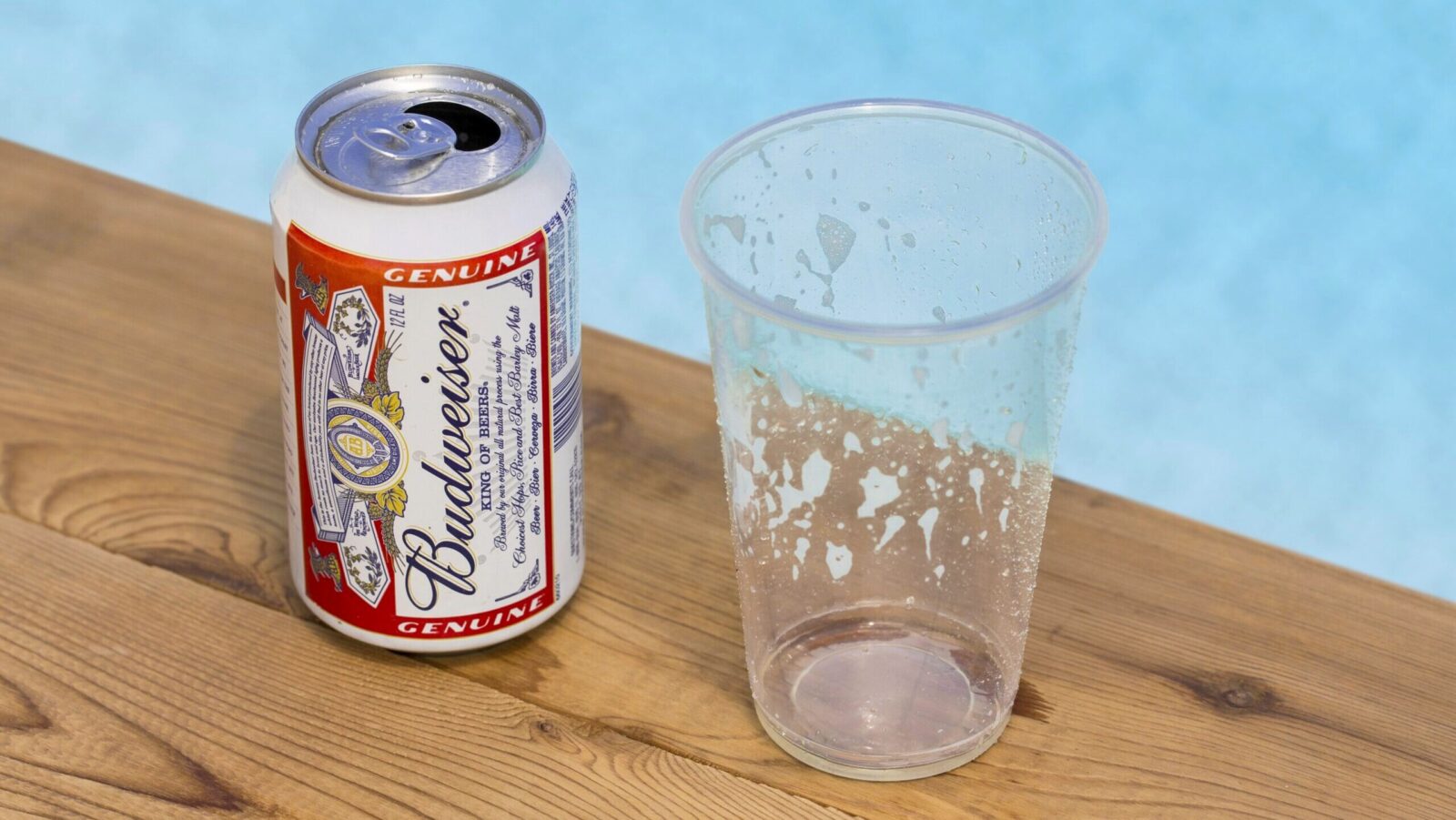
To tweak a famous proclamation delivered by one Homer J. Simpson: Teetotaling may be the cause of, and solution to, all of AB InBev’s problems.
Shares of the beermaker soared after it reported modest sales growth in its most recent quarter on Tuesday, driven in large part by surging demand for non-alcoholic and non-beer options.
What’s All This Brew-haha About?
When we say modest growth, we mean it. Sales volume increased just 0.8% for the brewing giant behind Budweiser, Michelob, Corona and Stella Artois. But even as small a gain as that trumped analysts’ expectations that a three-year streak of declining sales would continue. The company has been hammered as the world starts to lose its taste for alcohol; just 54% of US adults told Gallup they drink alcohol in a survey published in August, a record low and 13 percentage points below a previous survey published in 2022.
Shares of the company leaped nearly 9% after the Tuesday morning earnings call as investors raised a glass to the good news, though the results didn’t exactly show Americans are loving alcohol again:
- Net revenue for the company’s non-alcoholic beer options soared 27% year-over-year, with its Corona Cero line growing 46% and Michelob Zero growing more than 100%. The company claims those figures best an industry-wide 8% growth rate for non-alcoholic beer.
- Meanwhile, the firm’s “beyond beer” portfolio, which includes very-much alcoholic beverages such as canned cocktail line Cutwater and hard seltzer line NÜTRL, grew 37%. Beer may be on the outs, but alternatives remain in demand.
Goooaaaaal: The good news continued: The company forecast adjusted EBITDA growth of 4% to 8% this year. CEO Michel Doukeris said AB InBev is “well-positioned for 2026,” thanks to a summer season featuring the World Cup, an event sure to deliver plenty of reasons for both celebratory toasts and commiseration drinks.