

Good morning.
It’s an annual Thanksgiving tradition that’s remained despite murderous brawls over line-cutting and even swarming bots: US shoppers have once again broken Black Friday spending records.
While the final tally is still being sorted out, Adobe Analytics forecasts that online spending alone the day after Thanksgiving will have reached $12.9 billion, up more than 9% year over year. Salesforce, meanwhile, predicts US shoppers will spend a record $84 billion between last Tuesday and today, up 6% year over year. And that all comes after what’s been an epic lead-up to the unofficial start of the holiday shopping season. Per Adobe, shoppers spent more than $82 billion through the first 22 days of November, up 9% year over year. It’s a welcome surge for retailers, after consumer retail sales slumped to their slowest growth rate in nearly a year in October. Maybe everyone was waiting for big deals. Or maybe everyone simply splurged on a new PlayStation and “Grand Theft Auto VI.”
AI Goes on a Shopping Spree, but Amazon Isn’t A-Muse-d (Yet)
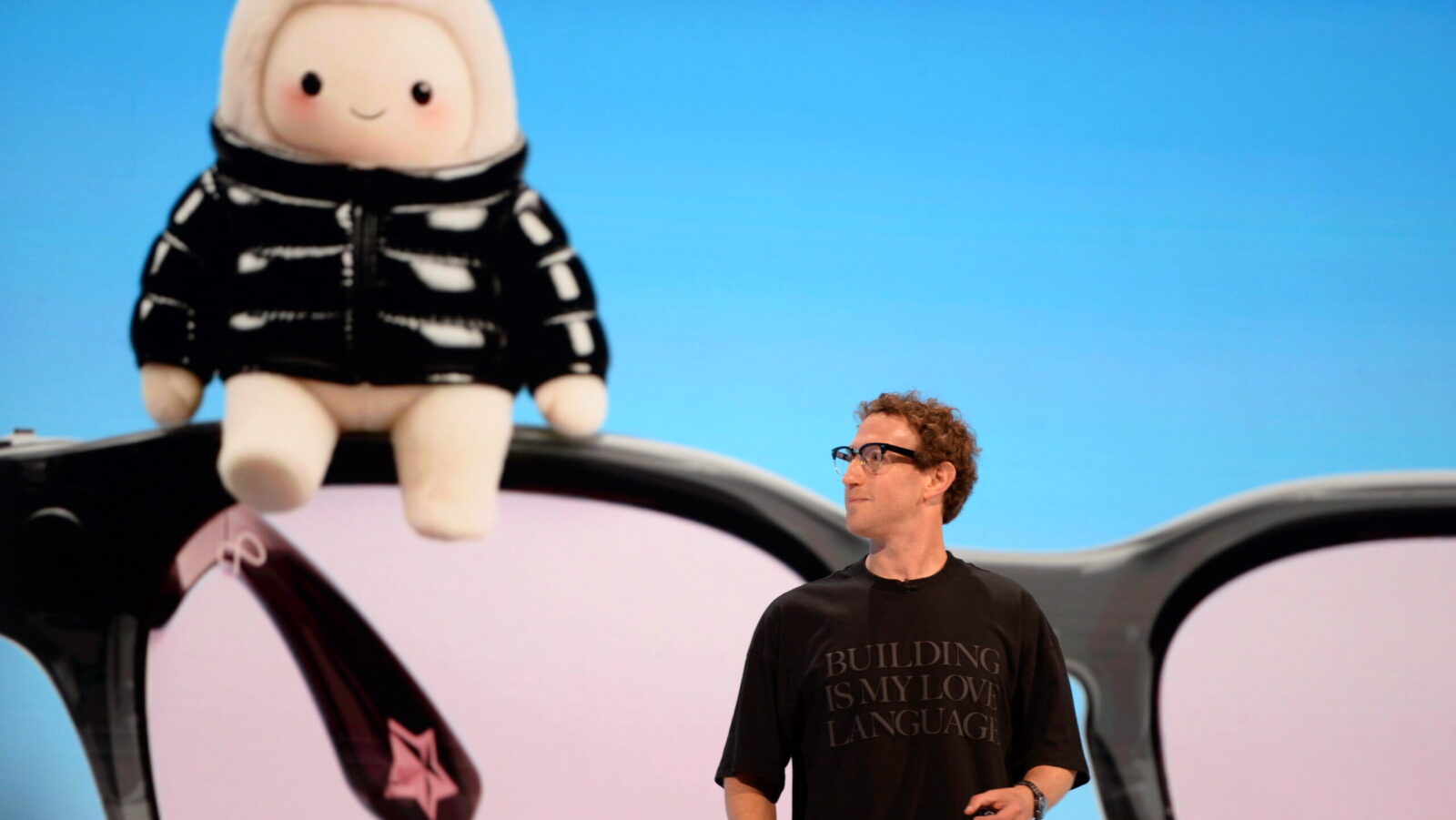
If camping outside Walmart for the chance to fight over a kitchen appliance isn’t your scene, AI agents can do it for you. Well, virtually.
This holiday season, AI power users are sending their agentic bots to shop for them. Ahead of Thanksgiving weekend, the National Retail Federation found that 59% of holiday shoppers planned to use AI as a personal shopper — that means brainstorming, budgeting and, in the case of 25% of shoppers who said they’d use AI, scanning retailers’ sites for deals.
But while some retailers, like Walmart, have leaned into letting bots shop their sites, others have blocked AI agents. That could be about to change.
Muse, Find Me a Fondue Maker
Chatbots have been trying to get AI users to digitally send them out to do their shopping for years. Perplexity made shopping available in its AI chat in 2024, and OpenAI rolled out Instant Checkout the next year, letting users tell ChatGPT to buy products on sites including Etsy and Walmart. But after a lukewarm reception from retailers, including a lack of signups and reports that the chatbot wasn’t driving much shopping for those that did participate, OpenAI scaled back the feature about six months later.
Meta’s Muse chatbot, with its user-friendly interface and cute-little-guy avatar, seems to be winning more shoppers over. Agentic traffic to retailers this week is expected to jump 150 times versus a year ago, with Muse making up nearly 70%. Walmart, for one, has welcomed Muse like it was a Thanksgiving guest who showed up with a case of fancy wine, opening its Black Friday deals to the bot.
But not every retailer has become BFFs with Muse — including the US’ largest online retailer:
- Amazon has resisted outside AI agents (it blocked Muse in September), instead building its own bot, Rufus. In 2025, Rufus began automatically buying items once their prices dropped, and in May, it got a total remodel that folded it into Alexa+ as “Alexa for Shopping,” which now sits in Amazon’s search bar.
- But Meta has reportedly been negotiating Muse’s entry to Amazon’s e-commerce wonderland. Two sticking points are how the agent would handle search results and advertisements — Amazon doesn’t just earn money from selling stuff but also from sponsored product placements, a $68.6 billion-a-year business.
FOMO: After being slow to the e-commerce game and losing customers to then-upstarts (ahem, Amazon), Walmart wants to embrace what could be the next big shopping shift. But Walmart’s choice may be easier, since its revenue depends more on selling TVs than ads. Amazon could be waiting for a tipping point when there are too many AI users to afford missing out on — and may try to negotiate a deal that somehow still prioritizes sponsored products.
Scientists Crack Gut-GLP-1 Connection

Did you hear about the group of PhD scientists from Johns Hopkins, Harvard, and Stanford who walked into a lab — and left with a breakthrough probiotic in hand? These scientists cracked the gut-GLP-1 connection and figured out how to bring live Akkermansia muciniphila to the probiotics market.
The final result of their work? Pendulum’s Metabolic Daily probiotic.
This particular strain is so groundbreaking because it can strengthen gut lining, reduce bloating, and improve metabolic and digestive health.*
With more than 15k medical provider recommendations, 4.5k mentions of Akkermansia muciniphila in scientific publications, and loyal customers like Halle Berry, the case for Metabolic Daily is hard to ignore.
Try Metabolic Daily probiotic yourself and take 48% off during their Black Friday sale. HSA/FSA eligible.
China’s EV Market Is Finally Out of Juice
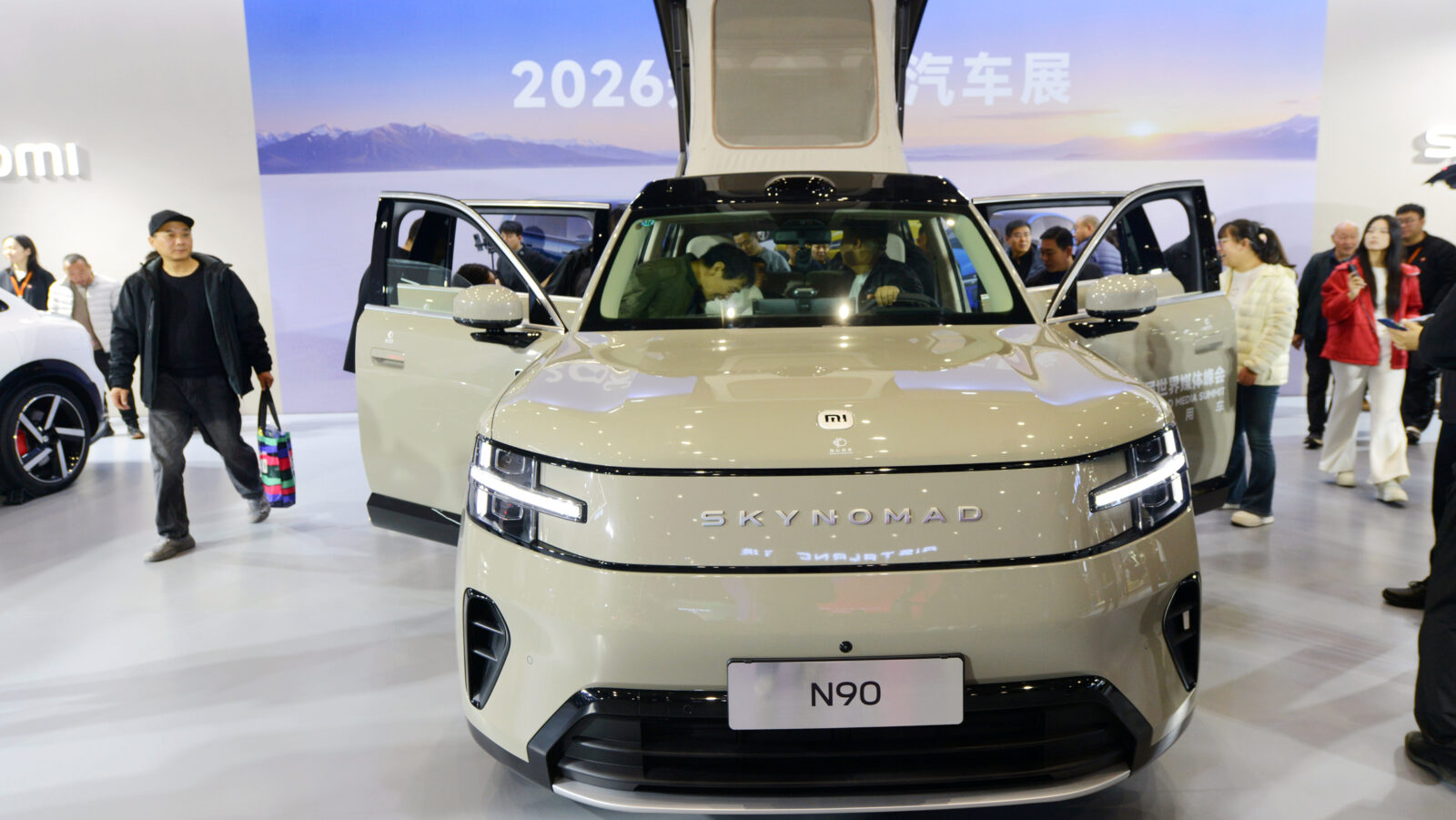
As Western automakers fret about their survival in the face of competition (where allowed) from insurgent Chinese automakers, the Chinese are grappling with existential issues of their own – their own market is cratering.
EV giant Xiaomi last week reported a 68% year-over-year profit drop-off, driven largely by a 20% drop-off in domestic EV sales. An early New Year’s Resolution to travel more may just be the solution.
European Vacation
A weak consumer economy has sent China’s EV market into a roughly year-long tailspin. Sales through the first three quarters of the year were down roughly 22%, according to the China Passenger Car Association, with overall sales for the year likely coming in at their lowest point since 2014. Shares of top automakers have fallen roughly 45% since a late summer 2025 peak, with a collective market cap now once again below Japan’s top automakers, according to a recent Bloomberg analysis. Xiaomi’s Hong Kong-listed shares, meanwhile, are down more than 50% from a June 2025 peak.
The best way out of the skid is to steer toward markets abroad. The Chinese players are on track to export 10 million cars this year, and Xiaomi, which has lagged behind rivals such as BYD in that regard, is finally ready to follow suit. The company has set a route to Europe, with an ETA sometime next year. It may be too late:
- Xiaomi said last week it plans to enter the German car market by the second half of next year and is also planning trips to Sweden, Spain and Italy to conduct cold-weather tests and other road validation assessments.
- That makes the company a little late to the European party, where top Chinese automakers already hold a roughly 12% market share. It also leaves them vulnerable to growing protectionism in the region; last week, the EU said it would impose new restrictions on Chinese hybrid vehicles that could cap imports by as much as 60%.
Phone It In: Despite the brutal earnings tumble, shares of Xiaomi climbed roughly 5% last week. Why? Because the truly do-it-all company’s domestic smartphone sales came in far better than feared. Sales slipped just 0.8% in the quarter, and analysts liked seeing how the world’s third-largest smartphone seller was increasingly encroaching on the premium territory held by top dogs Apple and Samsung. Xiaomi’s average phone selling price rose 10% from the quarter before thanks to the debut of a new flagship foldable intended to compete with Apple’s iPhone Duo.