

Good morning and happy Friday.
Call him the Artless Dodger. The UK’s financial services sector watchdog handed a lifetime ban to a former banker on Thursday, months after he pleaded guilty to fraud for dodging nearly £6,000 ($7,900) in train tickets. Joseph Molloy, who retired as head of passive equity at HSBC Asset Management last year, used false identities to obtain smart cards that he loaded with tickets for short trips at the start and end of the journey between his £2 million ($2.6 million) home and his office in London’s Canary Wharf district.
This allowed him to carry out a type of scam known in the UK as “doughnutting,” where someone pays for quick treks from the first and last stations on their route, creating a “hole” in the middle of the trip where they ride without paying. On top of “doughnutting” over 700 times, Molloy obtained a government unemployment benefit under false pretenses so he could get 50% off tickets. A court handed him an 18- month suspended sentence, banned him from Southeastern rail for a year and ordered him to pay the train operator £5,000. That being less than the amount he allegedly scammed, maybe his dodge was artful after all …
Appetite for US Bonds as Safe Haven Rebounds After Global Yields Spike
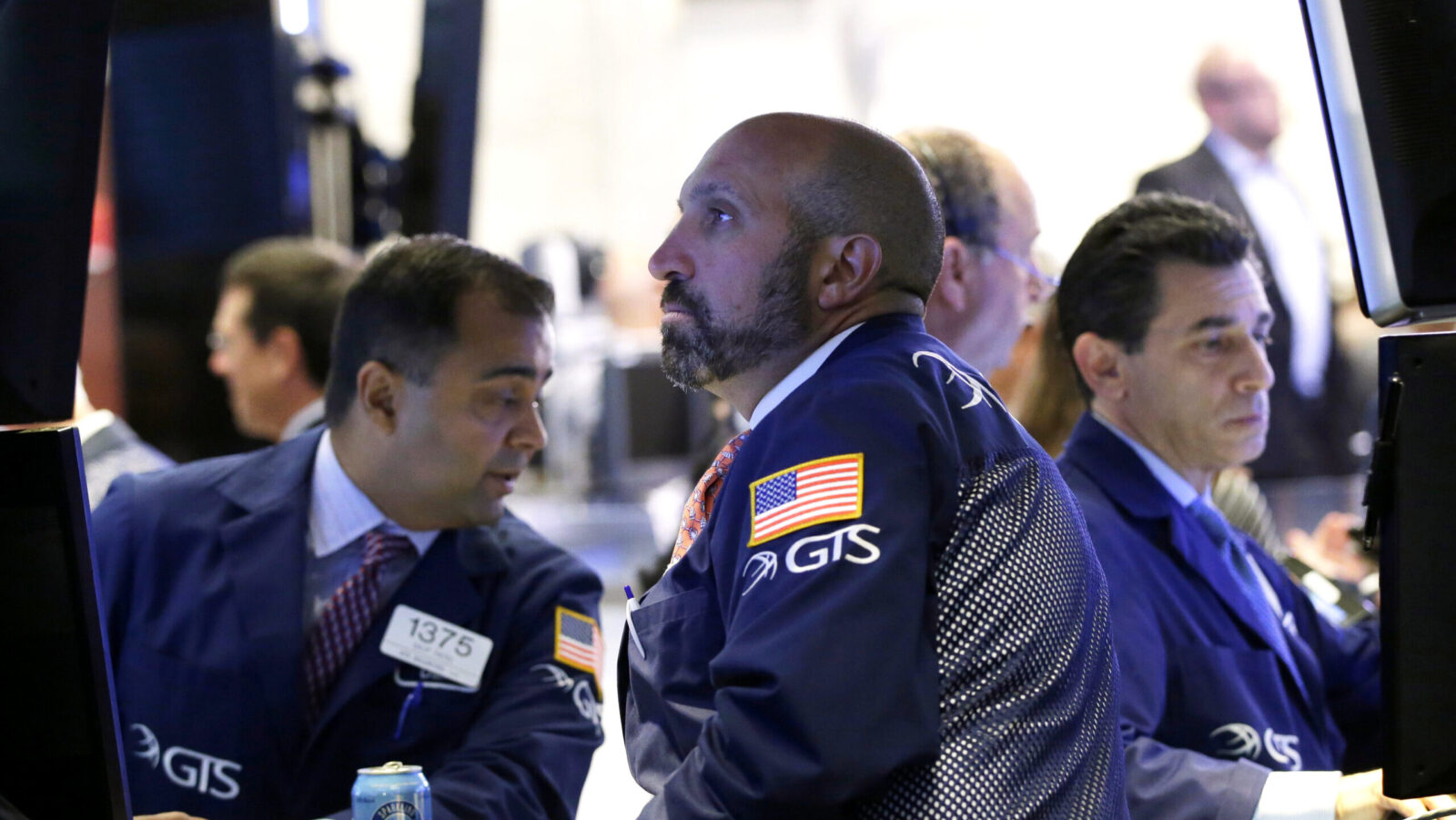
There are bond markets outside of the US so frightening they make America look superlative by comparison. US Treasuries rebounded from an early sell-off Thursday, as decades-high yields on long-term government debt tempted an influx of buyers. Meanwhile, the allure of US government debt is strengthening with some money managers and retail investors, and traders signaled Thursday that they think Uncle Sam could provide safe haven from bond market tumult brewing elsewhere.
Give Them a 60-40 Chance
The yield on the 10-year Treasury note finished September with the biggest quarterly gain since 1994 and reached a 24-year high of 5.34% early Thursday. However, buyers quickly came calling after the initial selloff and the yield closed the day at 5.233%. A handful of supporting developments coalesced around their purchases.
First, a new Institute for Supply Management report revealed that economic activity in the US manufacturing sector grew slower than expected in September. Cooling in the white-hot American economy could give the Federal Reserve cause to hold off on additional interest rate hikes, which would steady the value of Treasuries. Fed Vice Chairs Philip Jefferson and Michelle Bowman offered support for that narrative, suggesting policymakers had more wiggle room. Any delay in hikes would mean less short-term upward pressure on yields from Fed policy.
Second, the global bond selloff reminded markets that US Treasuries are actually a safe haven. Look no further than France, where belt-tightening measures introduced in Prime Minister Sébastien Lecornu’s latest budget on Thursday failed to ease the market’s concerns about ballooning deficits and a deteriorating fiscal outlook. The spread between 10-year government bond yields in France and Germany reached the widest since the euro area’s early 2010s sovereign debt crisis. With global economic uncertainty piling up, investors expressed a preference for US and German bonds, which are viewed as relatively risk-free. Against the backdrop of higher Treasury payouts, there’s also evidence more and more corners of the market are reassessing bonds:
- The Wall Street Journal reported earlier this week that money managers are telling their clients to jump back into Treasuries and reawaken the classic 60-40 portfolio, arguing the high yields and cheap prices on long-term bonds are too sweet to miss out on. Halbert Hargrave Co-Chief Investment Officer Brian Spinelli told the paper “the biggest challenge is going to be psychological,” referring to investors still associating bonds with the near zero interest rate environment of the Covid era.
- A significant number of retail investors have gotten the message. JPMorgan noted in its latest weekly retail activity note that the iShares 20+Year Treasury bond ETF saw its largest inflows ever, indicating the 30-year bond yield is in the sweet spot as far as the new rush of retail traders are concerned.
Home Evasion: Everything else aside, the turbulent waves caused by bond market mayhem are making potential homebuyers seasick. The average 30-year fixed-rate mortgage rate rose the most in four years this week to 7.28%, according to Freddie Mac data released on Thursday.
TSMC Considers New Plant in Lone Star State
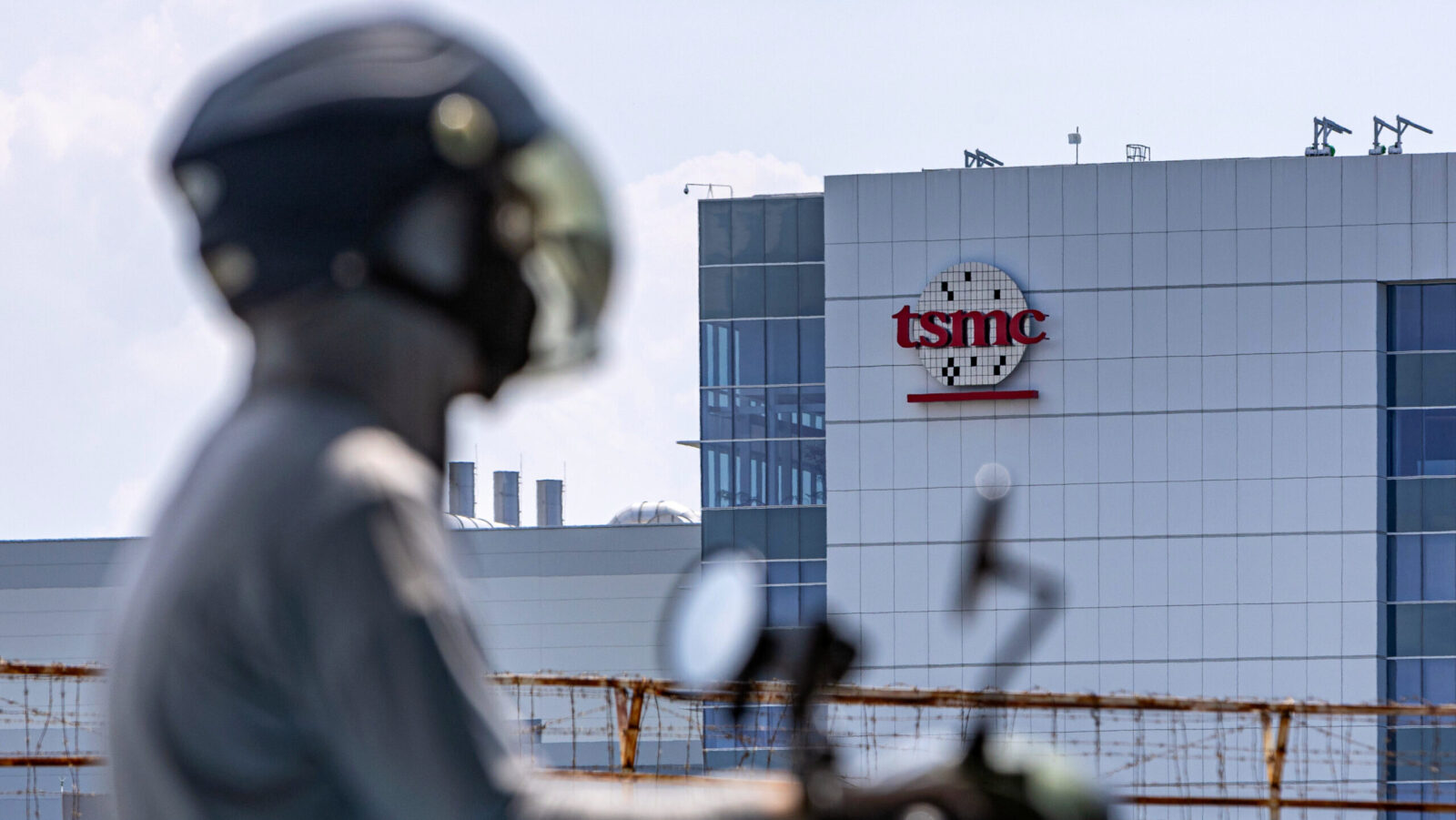
TSMC doesn’t need everything to be bigger in Texas. These days it’ll take any increase in production capacity it can eke out.
According to reports from Bloomberg and Reuters, the chip-printing king is considering a new multibillion-dollar campus in the Lone Star State in what would be its second production hub in the US in addition to an Arizona facility that continues to take shape. The plans are still in the earliest of stages, both outlets reported, meaning the headlines may yet be, in Texas speak, all hat and no cattle. Either way, it’s a sign that TSMC is looking to increase its ability to meet the AI industry’s insatiable demand.
Taiwan Two-Step
Any Texas plant would feature multiple foundries, sources told Bloomberg, each of which would cost as much as $20 billion. The entire project, however, is likely contingent on the extension of tax credits established in the 2022 Chips and Science Act. Those government incentives helped bring TSMC to Arizona, where an initial $12 billion investment has ballooned into a $265 billion capex bonanza as the company rapidly tries to expand its production capacity. One fab at the Arizona plant has already begun high-volume production of 4-nanometer chips, such as Nvidia’s Blackwell GPUs; construction on three more fabs is underway, with each planned to open over the next few years.
Note: The vast majority of Arizona-made chips are subsequently shipped to Taiwan, where TSMC completes its highly technical “CoWoS” packaging and assembly process. The company aims to have CoWoS capacity at the Arizona facility by 2029. But until then, round trips to Taiwan will continue to be just one of the company’s biggest bottlenecks amid booming demand:
- Last year, TSMC’s revenue hit $122 billion, up 35% year-over-year in US dollar terms; in July, the company said it expects to grow another 40% in its fiscal year 2026. Its actual production capacity, on the other hand, has only grown by the mid-single digits every year since 2024.
- The company has had to roughly double its planned orders for chipmaking equipment already this year, one executive said at a conference last month. It has roughly 10 more plants under construction in Taiwan, as well as locations in Japan and Germany.
Shoot for the Stars: Demand for TSMC’s services could soon increase even further, at least if Google completes its moonshot. On Thursday, a satellite carrying the tech giant’s personally designed, TSMC-made AI chips hitched a ride to outer space on the SpaceX Falcon 9 rocket. Once in orbit, Google will test the efficacy of solar-powered outer space data centers. If successful, Google will presumably kickstart a new rush on the infinite real estate offered by outer space, and further stress TSMC’s very earthbound operations.
The Biggest Financial Mistakes Usually Start Small

And they often go unnoticed until life gets more complex. Plancorp’s complimentary Financial Analysis, built on 40+ years of planning experience, takes about two minutes and can help you assess whether there may be gaps in your current financial plan. Start your analysis.