

Good morning.
Concerned about the “growing scale and sophistication” of insurance fraud, the Association of British Insurers released new data Tuesday showing sham claims rose 14% in the UK last year to £1.3 billion ($1.7 billion). Among the most notable examples it flagged was a man who set up “crash for cash” schemes with women he met online, staging vehicle accidents to obtain payouts.
The ABI also uncovered the case of a London man sentenced to 28 months in prison after obtaining £14,300 in insurance payouts after falsely claiming thieves had stolen precious valuables from him, including Lego sets. When City of London police turned up, they found Lego sets matching the ones he reported stolen on display in the living room. On second thought, maybe this guy is a bad example of “sophistication.”
AMD Rides Muse Hype to New Heights
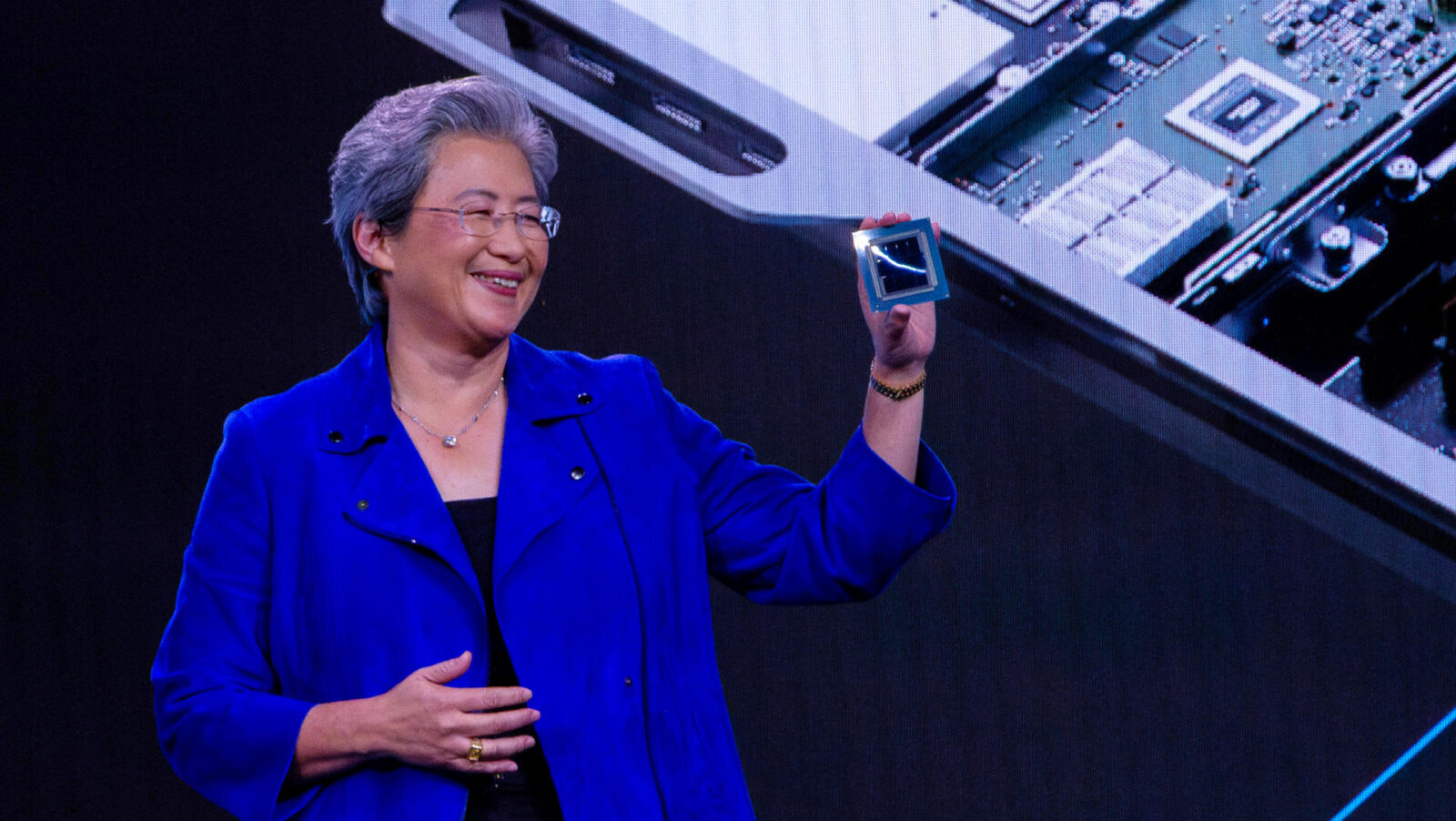
Muse has done nothing but inspire AMD’s stock.
Shares of the chipmaker are up nearly 30% since Meta launched its instantly popular Muse AI agent on September 8, a rally that has catapulted AMD into the $1 trillion market cap club. So how much higher can AMD fly? Plenty, according to a report out yesterday from Citi analyst Atif Malik.
Connect the Dots
That tracks with comments CEO Lisa Su gave to a gaggle of reporters in Taipei also on Tuesday; Su said the AI run will last for years, and that the company will “substantially increase our supply in 2027” to catch up to booming demand. After years watching GPU (graphics processing unit) king Nvidia dominate, the agentic era is AMD’s time to shine. That’s because agents use GPUs to think, a la large language models, but rely on CPUs to actually perform actions, such as managing email inboxes or shopping on e-commerce platforms that have not yet hung up a “No Robots Allowed” sign.
The total addressable market (TAM) for agentic AI is currently worth around $29 billion, but could explode to around $300 billion by 2030, Malik wrote, adding that AMD will be a key beneficiary. It’s why he increased his price target for the stock to $800 from $575. The TAM explosion may sound huge, but it is reflective of the rapid Muse takeoff:
- Meta’s app scored 5 million downloads in just 22 days, according to Sensor Tower. That’s a faster pace than ChatGPT (56 days) and Claude (492 days), and roughly on par with smash app successes like Pokémon Go, HBO Max and Fortnite. Last month, OpenAI also launched an always-on agent platform, Dots.
- Still, AMD faces plenty of competition. Nvidia earlier this year launched its Vera CPUs designed explicitly for the agentic era, while Wolfe Research analysts have said that rival Arm could capture as much as 50% to 75% of the agentic CPU market share overall (though the analysts also named AMD as a significant beneficiary of the agentic era).
AI’s a Small World: Amid its share price surge, AMD has made a splashy purchase. Last week, the company announced an $8 billion deal to acquire World Labs, which is developing “world models” that can create 3-D virtual environments out of just a few images. The company was started in 2024 by Fei-Fei Li, a Stanford University professor who has been dubbed “Godmother of AI.” In a Substack post announcing the deal, Li called AMD’s Su a “great friend.”
Are Your Finances Prepared for Life’s Curveballs?

Between market swings, uninvited expenses, and shifting priorities, many financial plans fail to adapt. An advisor can build a plan designed to bend without breaking, helping you grow and protect your money alongside these changes. Curious what an advisor would ask first? Find out here.
Anduril Commits $3.7 Billion to Shipyard, Wins $2.9 Billion Navy Award in Defense Tech Coup
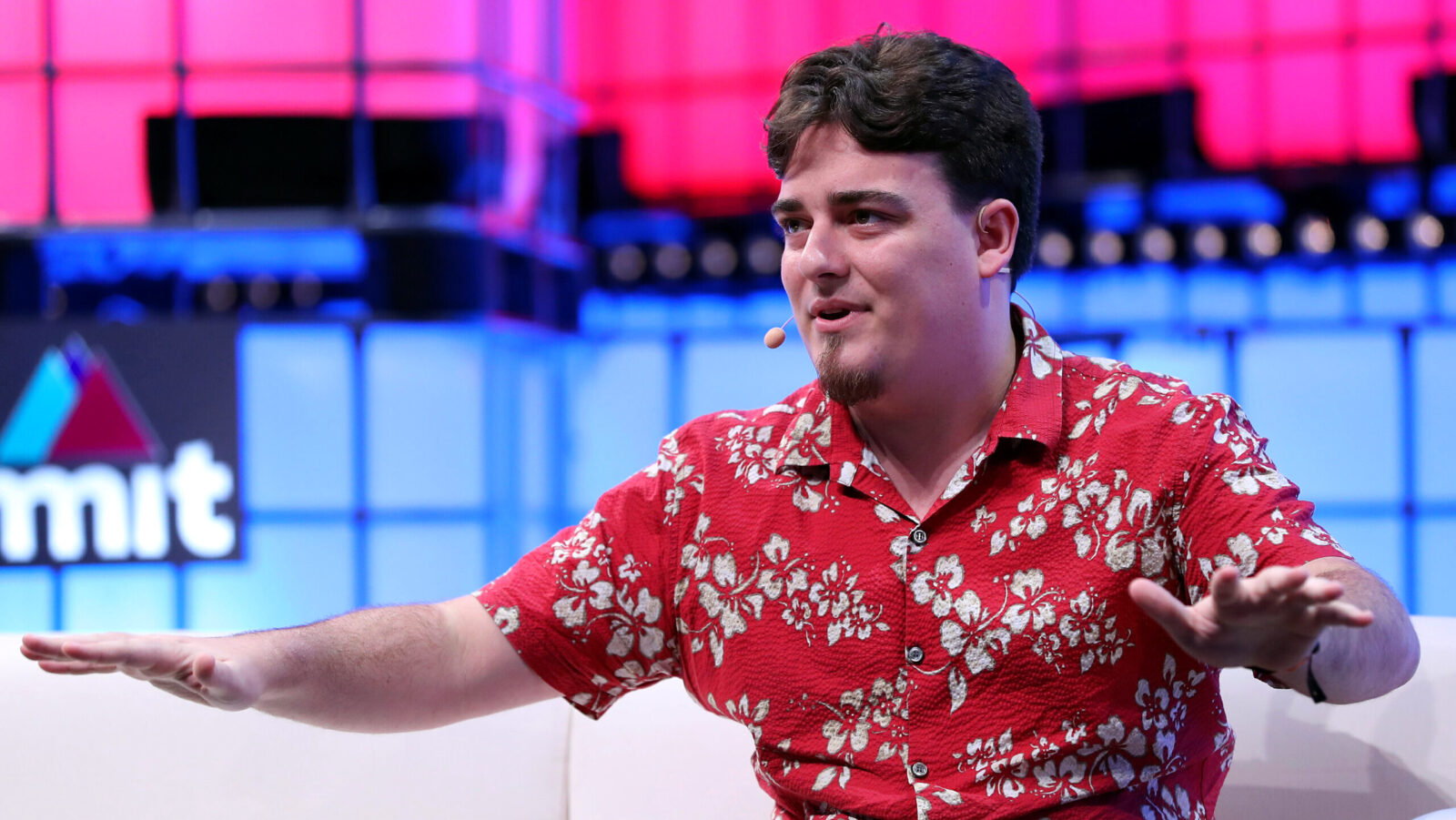
For old school defense contractors, it was Torpedo Tuesday.
Anduril Industries, the privately held defense tech firm founded by Palmer Luckey, revealed plans to build a $3.7 billion shipyard in Maryland yesterday. At the same time, the US Navy awarded the upstart defense company a $2.9 billion contract to make components for its prestigious, but delay-plagued, Virginia-class submarine program. For Anduril, best known for its autonomous drones and crafts, the deal signals it’s serious about taking on traditional defense giants.
New Business in the Old Line State
As the Trump administration has looked to shore up military capabilities amid wars in Ukraine and Iran, it’s turned to the tech sector to complement and compete with traditional defense contractors and invited Silicon Valley into the national security brain trust. In June, Andreessen Horowitz’s Marc Andreessen and former Thiel Capital COO Blake Masters, two leading defense tech investors, were appointed to a major Pentagon advisory board. Last week, Luckey and SpaceX’s Elon Musk were tapped to lead a Department of Defense review of the future of armed conflict alongside former House Speaker Newt Gingrich.
The Navy’s insatiable appetite for complex and mammoth ships and submarines has long tested the capacity of even the biggest military contractors. A Government Accountability Office report published last year concluded that the seven private shipyards constructing Navy vessels were not positioned to meet current goals. Take, for example, Virginia-class submarines: the US currently builds about 1.3 per year, well short of the goal of two.
Enter Anduril, which is being dropped into a massive potential business line to hasten production of the latest-generation nuclear-powered attack submarines. Virginia-class subs are currently jointly built by General Dynamics subsidiary Electric Boat and Huntington Ingalls Industries, with the former winning a portion of a $76.6 billion submarine award from the Navy this summer. Their new defense tech partner will start small, but executives made clear their ambitions are sky high — or, er, ocean deep:
- Anduril’s new Maryland shipyard, situated outside Baltimore and named Arsenal-2, is expected to open by the end of the decade. While it will initially manufacture smaller components for Virginia-class production, company President Christian Brose told a media briefing that Anduril expects to eventually build significant bow and stern sections of the submarine, known as super modules.
- In the short term, Anduril will make Virginia-class components including torpedo tubes at a new Orange County, California, facility slated to open in 2027. This, the company said, will give it a “two-year operational head start to develop and validate manufacturing methods” that it can apply to the Arsenal-2 shipyard when it opens.
Tolkien’s Tech Bros: Last year, Luckey founded Erebor, a startup-focused bank to fill the gap left by the 2023 collapse of Silicon Valley Bank. On Tuesday, the Financial Times reported that it has more than $7 billion in deposits after adding in excess of 500 customers and $3 billion in deposits in the third quarter. And yes, like Anduril and Peter Thiel-founded Palantir, Erebor is named after “Lord of the Rings” lore.