Why March Is too Late to Talk Taxes with Your Retirement Clients
Effective tax management is a year-round operation, but there are timely strategies to consider right now.
Sign up for smart news and actionable insights on the strategies, products, and policy shifts shaping retirement outcomes.

Hear that sound? The tax man cometh (on Wednesday, April 15).
It’s easy to talk taxes in March and April, but achieving significant “tax alpha” requires a multi-year strategic plan. Over time, the management of income and the right asset location decisions (Roth vs. traditional) can help clients hold on to tens or even hundreds of thousands of dollars in additional wealth. That can spell the difference between a smooth retirement and a stressful one, and advisors who prove themselves to be tax experts can stand out in today’s competitive wealth management marketplace.
“Retirement tax planning should not be treated as a once-a-year filing exercise,” said Trevor Gunter, founder and lead advisor at Four Pines Financial in Atlanta. “The best results usually come from looking out over several years and deciding when to recognize income on purpose, rather than waiting until the tax bill is forced on you.”
Year-Round Savvy Moves
One of Gunter’s go-to tax strategies is to help clients organize qualified charitable distributions:
- If someone is age 70.5 or older, they can give directly from an IRA to a qualified charity.
- For tax year 2025, the QCD limit is $108,000, and for 2026, it rises to $111,000.
“When done correctly, that distribution is excluded from taxable income, and it can also satisfy part or all of a required minimum distribution,” Gunter said. Another strategy is making the most of the low-income years after retirement but before Social Security and RMDs begin. “Those years can be a once-in-a-lifetime planning window,” Gunter said. “It may be a good time to do partial Roth conversions or realize long-term capital gains while staying in a relatively low tax bracket. In some cases, capital gains may even be taxed at 0%.” Once Social Security, RMDs, and other income sources begin stacking up, tax planning usually gets tighter.
As for savvy moves specific to tax season, Joon Um, advisor at Secure Tax and Accounting, said backward-looking IRA or spousal IRA contributions can make sense. “We also talk a lot about RMD planning, since those withdrawals can increase taxable income more than people expect,” Um observed. “The evergreen advice is having different tax buckets. That flexibility can make a big difference when managing taxes in retirement.”
Location, Location, Location. “I always seem to speak with people in high-tax states who contribute to both a Roth 401(k) and a traditional 401(k),” said Cameron Willcox, an enrolled agent at Willcox Wealth Management. “As a rule of thumb, this is great, but if you live in New York or California, it’s likely that contributing most of that to [the] traditional [account] makes more sense. Especially if you [move to] any other state in retirement, you’ll be happy to pay the taxes in that state, and the tax savings now will be meaningful.”
Recent News

-

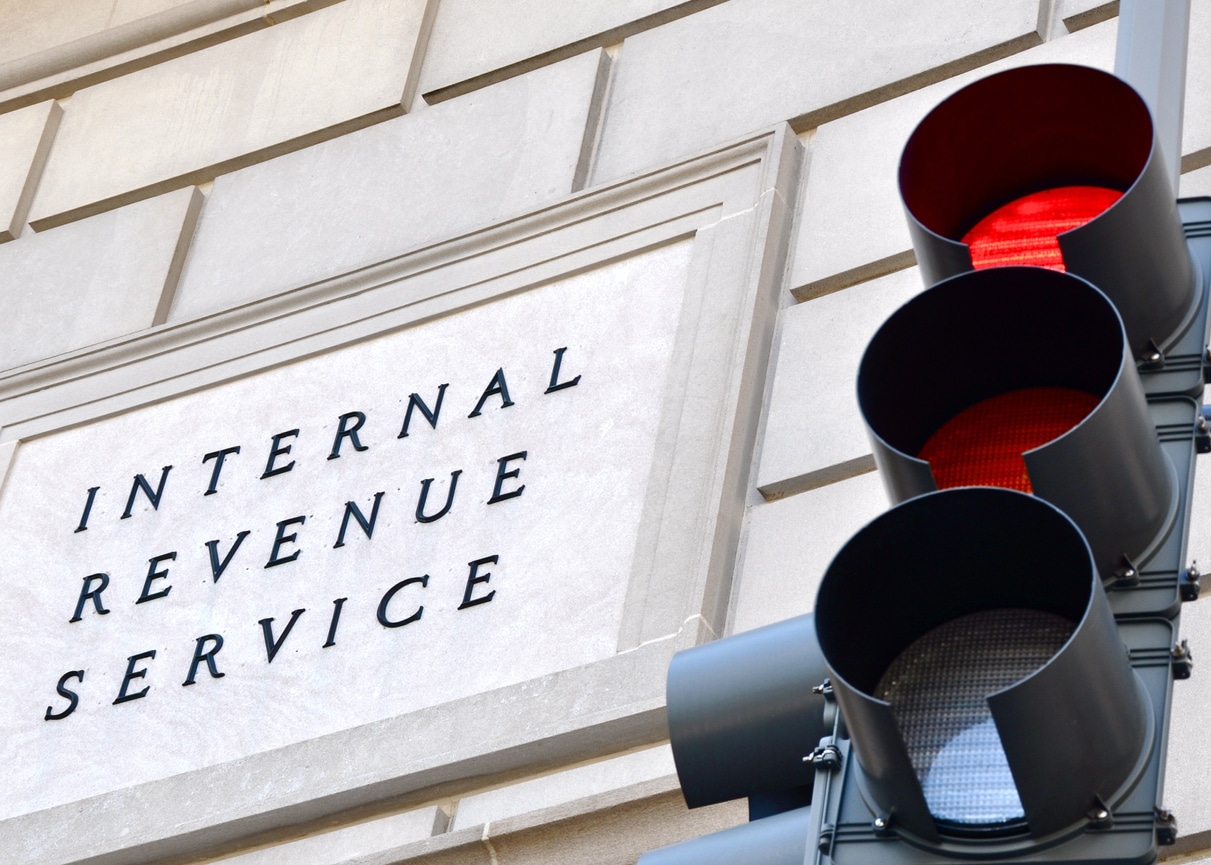
Photo illustration by Connor Lin / The Daily Upside, Photos by Paul Campbell and Vovashevchuk via iStock