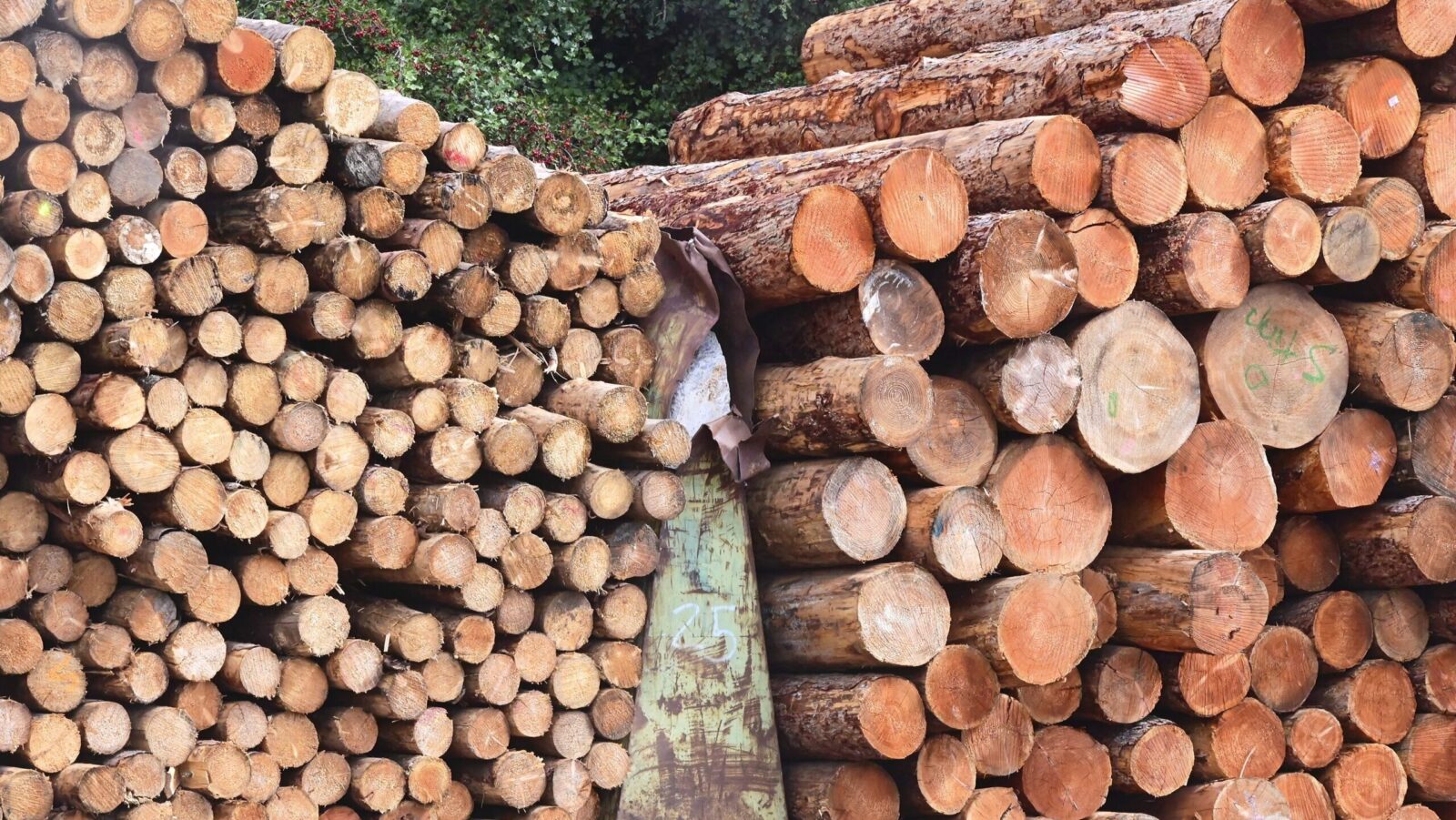
So far, 2025 has been one of the choppiest ever for the business of wood thanks to tariffs and a housing market slowdown.
Our daily email brings you smart and engaging news and analysis on the biggest stories in business and finance. For free.
Fitting for 2025, a government shutdown is all but guaranteed to deliver even more uncertainty into the macroeconomic mix.
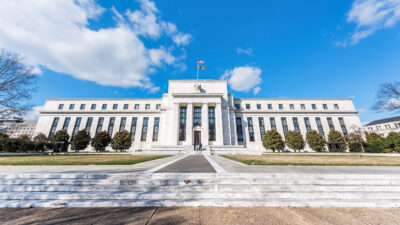
In a speech in Rhode Island, Jerome Powell reminded Wall Street and the world that The Fed remains in a “challenging situation.”
The Federal Reserve’s decision may not have been a surprise, but ripple effects are already being felt across the industry.
In a note last week, JPMorgan’s Andrew Tyler wrote that macro conditions could turn a widely-expected rate cut into a “sell the news” event.
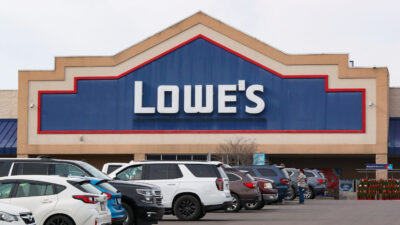
In an interview with Barron’s, Lowe’s CEO Marvin Ellison said a rebound is inevitable in America’s something’s-gotta-give housing market
In the last decade, global government bonds with maturities over 10 years suffered a median loss of 2% in September, according Bloomberg.
Two key forces were to thank: consumers, who spent more than original estimates, and businesses, which did the same.
In May, revenue at Nvidia’s automotive and robotics businesses, which are reported together, posted $567 million in sales.
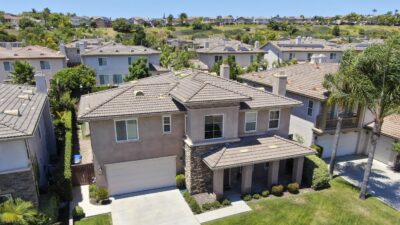
On the other hand, the market slowdown is — ever so incrementally — taking a toll on house prices, according to Zillow forecasts.
The economy added just 73,000 jobs in July, according to the Labor Department, well below the expectations of economists surveyed.
Economists anticipated a 2.5% rate, so the better-than-expected top line figure was obviously cause for celebration, right?
On Tuesday, the S&P 500 closed down 0.3%, snapping a remarkable streak of six straight closing highs through Monday.
The announcement comes just days after President Trump signed a law that introduces US-regulated stablecoins.
The big US banks bested Q1 earnings expectations, and many observers expect big boosts to their Q2 trading desk revenues.
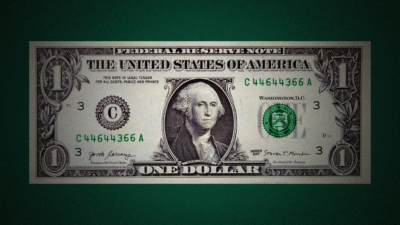
The dollar is the most important currency on earth, adding up to 57.7% of global currency reserves in the first quarter.