The country’s biggest banks released quarterly reports this week, while their stock prices slumped.
Our daily email brings you smart and engaging news and analysis on the biggest stories in business and finance. For free.

Loans in Wells Fargo’s corporate and investment banking business climbed 14% in the three months through December.
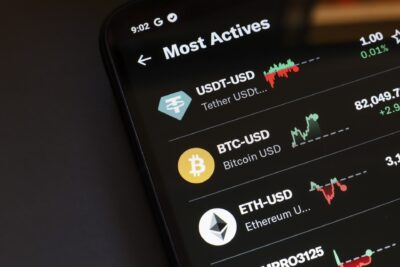
Bitcoin, the No. 1 crypto by market cap, hasn’t recovered from a flash crash, chopping more than $1 trillion from the broader sector’s value.
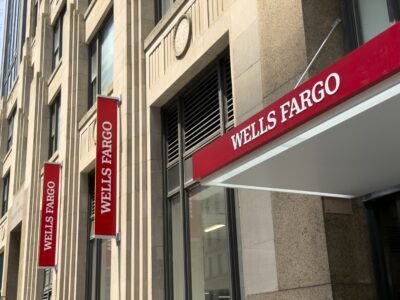
For the first time since 2018, the Wells Fargo stagecoach is rolling into a new year without the burden of a Federal Reserve asset cap.
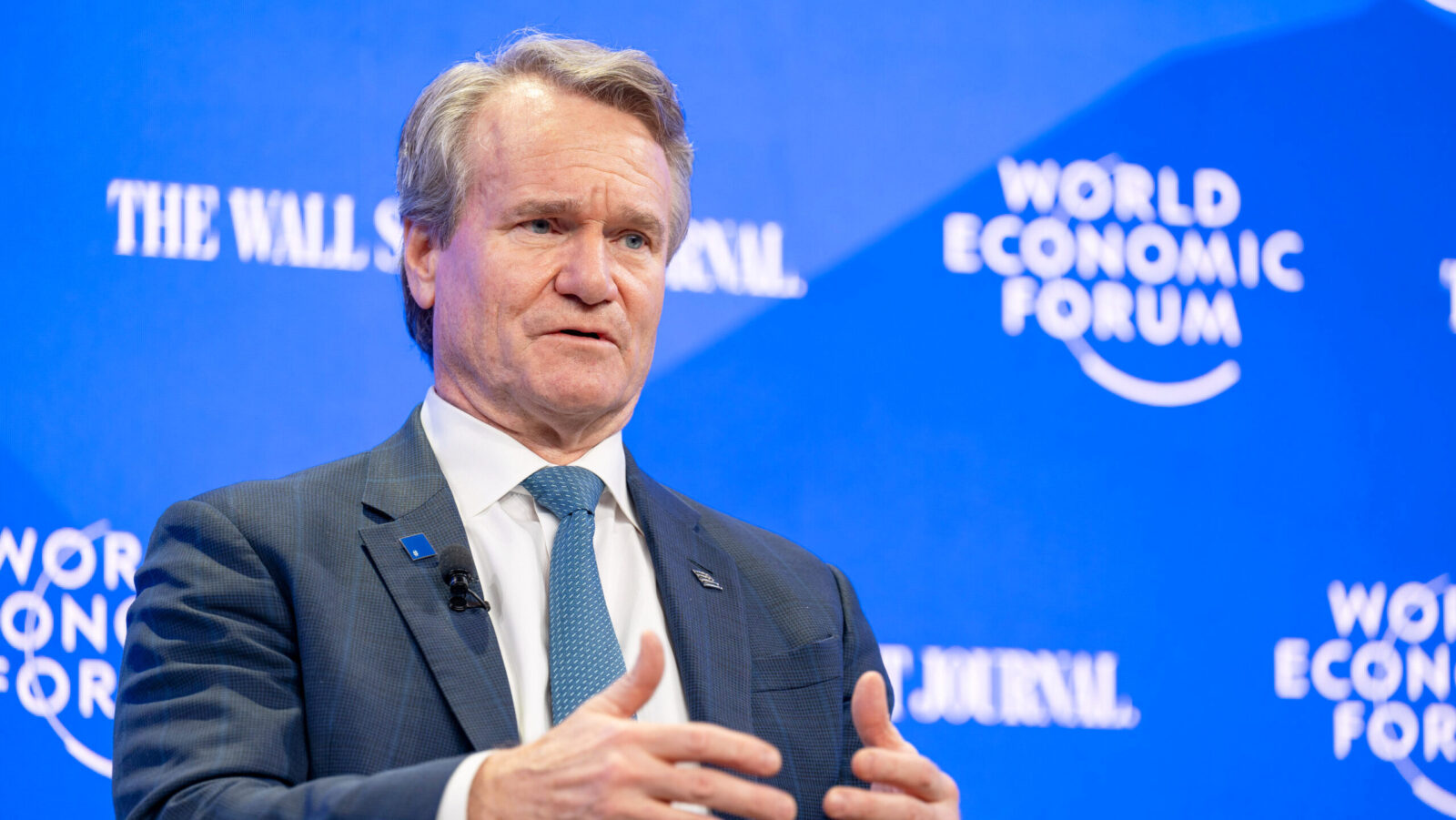
Compared its peers, BofA has lagged in expanding into less traditional activities such as wealth management, credit cards and loan growth.
Rejuvenating frozen US housing sales will require a strong job market and mortgage rates low enough to pique sellers’ interest in new homes.
Pretty much all of Wall Street reported another quarter of stellar earnings this week.
The bank reported Tuesday that it made $2.6 billion in investment banking fees in the third quarter, a 42% year-over-year surge.
The roaring August demand put a serious dent in the glut of new homes on the market, with inventory falling to the lowest level this year.
Synthetic content is becoming more realistic by the day. Can detection tech keep up?
Zelle was launched in 2017 as an alternative to peer-to-peer payment platforms like PayPal and its subsidiary Venmo.
The consensus takeaway from the earnings season so far is that the economy is, in spite of everything, doing pretty good.
The big US banks bested Q1 earnings expectations, and many observers expect big boosts to their Q2 trading desk revenues.
Lawsuits have been filed against a laundry list of brokerages, including Wells Fargo, LPL and others.
Financial institutions are racing to get into stablecoins as the Genius Act makes its way toward POTUS Trump’s desk.
The bank outlined where it intends to allocate investments over the next year and a half during a midyear outlook event.