Can Alibaba’s Qwen3.5 Help Chinese AI Catch Up?
Alibaba, Baidu and Tencent are racing to win users over to their AI apps during the Lunar New Year, a time of high user acquisition in China.
Sign up for smart news, insights, and analysis on the biggest financial stories of the day.

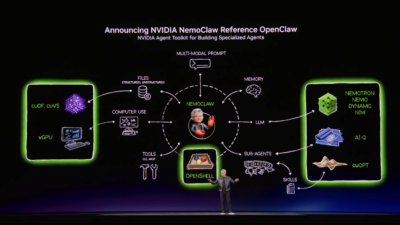
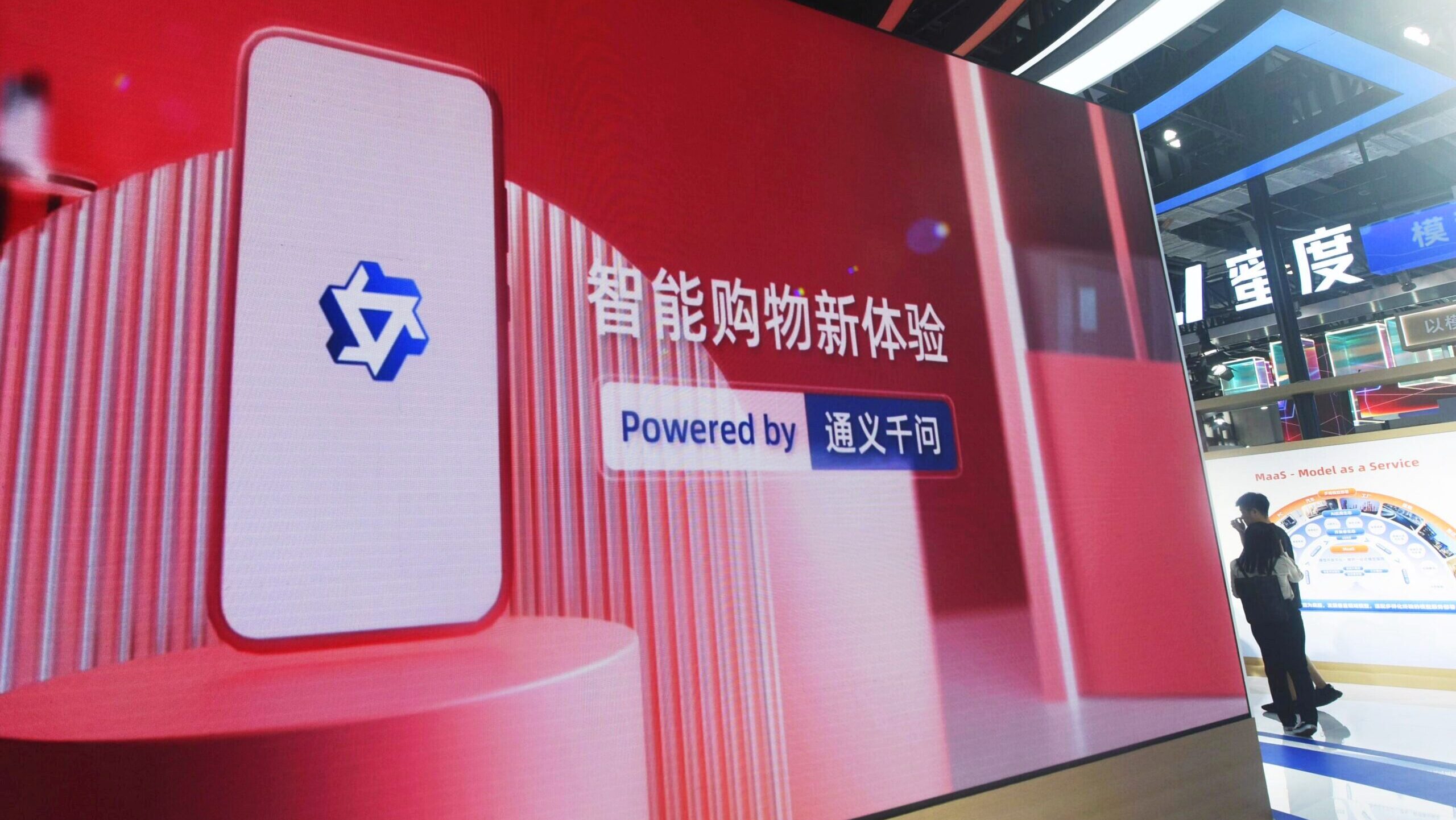
Alibaba’s answer to ChatGPT, Qwen, got an upgrade this week that could put it ahead in the AI race. The Chinese company said Qwen3.5 is cheaper and more powerful than its predecessor and performs on par with US rivals including Claude and Gemini. It can understand text, images and videos, and it’s compatible with trendy AI agents like OpenClaw.
Qwen isn’t a standalone offering for Alibaba. Instead, it’s integrated into its main e-commerce biz. On the Qwen app, nearly 100 million users can, for instance, ask Qwen to make a Lunar New Year travel itinerary and then book it through Alibaba’s travel agency.
The new version of Qwen came out just in time to ring in the Year of the Fire Horse, alongside many competitors.
Not Horsing Around
Google DeepMind head Demis Hassabis told CNBC last month that Chinese AI was months away from catching up to US models. Now, Chinese tech companies are blazing ahead with AI updates:
- TikTok-owner ByteDance rolled out Doubao 2.0 over the weekend, the latest version of China’s biggest AI chatbot with nearly 200 million users. Like Qwen, Doubao prioritizes agentic AI capabilities, such as performing complicated, ongoing tasks like coding and customer support. Also this month, ByteDance launched a new video-generation model, while Chinese startups including Zhipu AI and MiniMax debuted new AI models.
- DeepSeek is expected to release a new model soon. DeepSeek kicked off the Chinese AI race last year when its offering, which it claimed cost significantly less to run than rivals like ChatGPT, sparked an AI stock rout. Tech leaders have since been racing to deliver the most performance for the lowest price, as investors question when AI will be worth the billions of dollars that companies spend building and running it.
Still, China’s industry faces bumps in the road. ByteDance’s new video-generation model, Seedance 2.0, drew attention for producing deepfake videos, including one featuring Tom Cruise and Brad Pitt fighting. Hollywood’s Motion Picture Association called the tech “unauthorized use of US copyrighted works on a massive scale.”
Costly Race: Alibaba, Baidu and Tencent are competing to win users during the Lunar New Year, historically a time when apps like WeChat rapidly gained users looking for promos. The three companies are spending nearly $650 million altogether on incentives, handing out digital red envelopes worth up to $1,450 each, along with other freebies. But the race is increasingly expensive, because as these companies attract more users, their models cost more to run. Technical difficulties plagued the launch of Qwen as too many users overloaded the chatbot, and Alibaba had to pause its promos to get Qwen back up and running.