Sign up for smart news, insights, and analysis on the biggest financial stories of the day.

This land is your land, this land is AI’s land. From California to the New York islands, or at least to New Jersey.
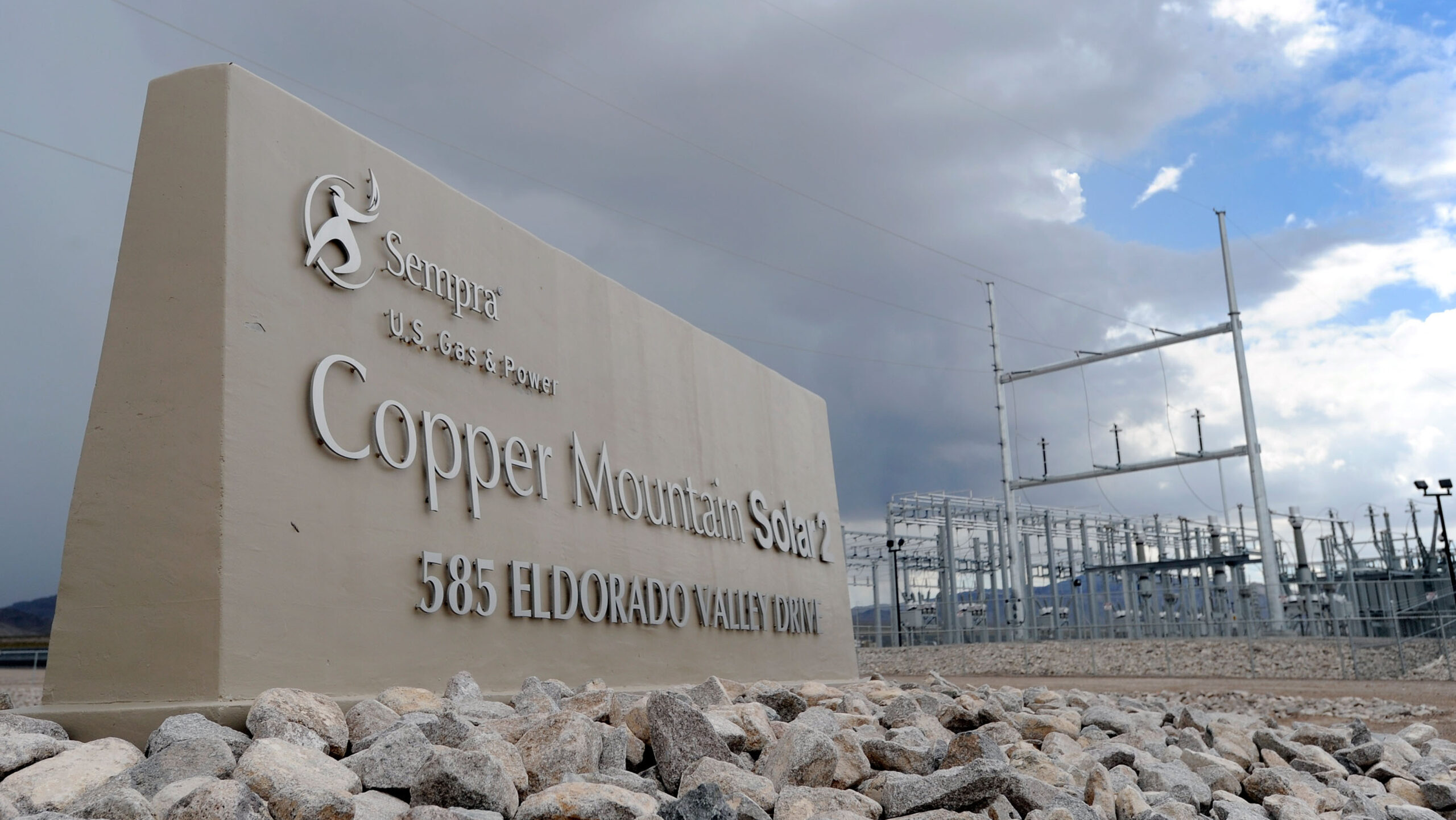
They may be some 2,750 miles apart, but dual earnings reports on Thursday showed that two energy giants, the San Diego-based Sempra and the Newark, New Jersey-based Public Service Enterprise Group (PSEG), have far more in common than not. Crucially, both companies announced they are boosting their five-year capital expenditure plans to keep pace with Big Tech’s ongoing data center boom.
Grid Pro Quo
While power producers, especially those in the nuclear industry, are getting a lot of buzz in the AI era, traders on Wall Street increasingly view regulated utilities and distributors as one of the most intriguing and possibly safe bets on growth in the broader AI revolution.
As every new data center popping up turns into its own infrastructure project, requiring wiring, interconnections, substations and other expensive equipment to access the grid, utility companies are becoming the toll roads of the AI industry. Since returns are tied to regulator-approved expansions, they appear more reliable and predictable.
Meanwhile, as demand surges to unprecedented levels, tech firms have become more time-elastic than price-elastic, rewarding utility players who can quickly meet their needs with premium prices. “Demand is running so far ahead of supply that in many markets, the balance of power has shifted to the utilities,” Shaia Hosseinzadeh, founder and chief investment officer of commodities-focused hedge fund OnyxPoint Global Management, told The Daily Upside.
But first, utilities have to build the infrastructure, which is why PSEG and Sempra had such similar announcements this week:
- Sempra is boosting its five-year capex plans by 16%, from $56 billion to $65 billion, with a particular focus on expanding regulated utilities in Texas and California.
- PSEG, meanwhile, said it is executing a similar ramp-up. The company now expects to spend $24 billion to $28 billion through 2030, up from a previous five-year plan that targeted $22.5 billion to $26 billion.
To a ‘T’: The bicoastal firms are hardly alone. Ohio-based American Electric Power, for instance, said earlier this month that it’s expanding its own capex plans through 2030 by as much as $8 billion. And last year, California-based Pacific Gas & Electric said it planned to invest $73 billion by the end of the decade to match surging power demand. US electric companies spent around $208 billion to upgrade, modernize and expand the energy grid in 2025, according to the Edison Electric Institute (EEI). Combined, the industry will likely spend more than $1.1 trillion through 2029, EEI predicted in a report published in October.
Recent News
-
Investors Juice BlackBerry as the SaaS-y Company Racks Up Contracts

Photo via imageBROKER/Maria Kraynova/Newscom